Behind enemy lines: SEAL team 6 leads high-stakes mission to rescue downed airman
Tensions from the ongoing Middle East conflict spilled into a high-risk rescue mission as the United States launched a deep operation inside Iran. This time, the goal shifted. Forces did not target an enemy. Instead, they moved fast to bring one of their own back home.
The mission began on April 3. An American F-15E fighter jet went down during combat operations. Both crew members ejected. Rescue teams quickly secured the pilot. However, the weapons systems officer disappeared into the rugged mountains. From that moment, a race against time began.
On the ground, the lone airman relied on survival training. He carried a pistol and activated an encrypted beacon. Then, he climbed higher into the Zagros Mountains. He hid inside rocky terrain and waited for help. Meanwhile, danger closed in. Iranian forces increased patrols. Local groups joined the search. State media even announced a reward for his capture.
At the same time, Washington escalated its response. Central Intelligence Agency operatives launched a deception plan. They spread false signals to mislead Iranian forces. Simultaneously, Israeli intelligence tracked troop movements and shared real-time updates. In addition, the Israeli Air Force paused strikes to open a narrow rescue window.
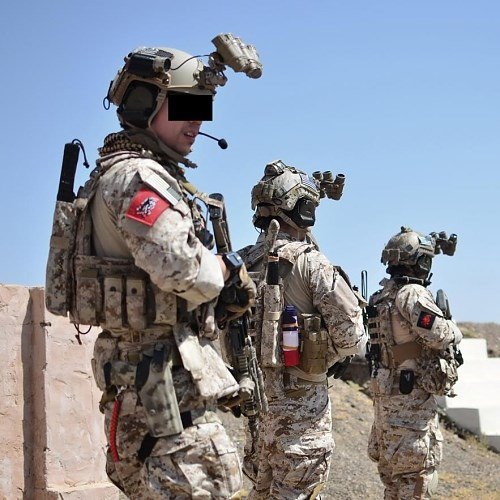
Soon after, the operation shifted into action. SEAL Team 6 moved in with support from a large joint force. Aircraft circled above the mountains. Helicopters advanced at low altitude. Commandos pushed toward the target zone with speed and precision.
However, the mission faced an unexpected setback. Two transport aircraft landed near a remote strip southeast of Isfahan. Then, both planes became unusable. Commanders made a quick decision. They destroyed the aircraft to protect sensitive systems. This move echoed past operations where technology could not fall into enemy hands.
Despite the setback, reinforcements arrived quickly. Additional aircraft entered the zone under threat. On the ground, special forces reached the stranded airman. They secured the area and prepared for extraction. Iranian units moved closer. As a result, US forces engaged to hold them back. Air support targeted nearby positions to clear a path.
Finally, the team completed the extraction. They loaded the injured officer along with rescue personnel onto replacement aircraft. Then, they exited Iranian airspace without delay. The mission ended with zero American casualties. Medical teams later shifted the rescued airman to Kuwait for treatment. Officials expressed confidence in his recovery.
This operation highlights a shift in scale. In 2011, SEAL Team 6 carried out a quiet raid to eliminate Osama bin Laden in Abbottabad. That mission relied on stealth and speed. In contrast, the 2026 rescue combined precision with overwhelming support. Hundreds of personnel, advanced aircraft, and coordinated intelligence all worked toward a single goal.
On the ground, this mission sent a clear message. Military planners placed human life above hardware. They accepted losses in equipment but refused to leave a soldier behind. Local observers across the region noted the intensity of the operation. Many also tracked the risk of escalation as foreign troops entered deep into Iranian territory.
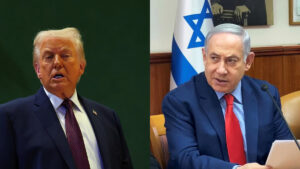
At the same time, broader tensions remained high. Donald Trump continued to warn Iran over strategic routes like the Strait of Hormuz. Yet, amid those warnings, this rescue told a different story—one of urgency, coordination, and commitment.
In the end, the mission underscored a simple doctrine. Forces can replace machines. They cannot replace people. And when the moment came, the United States acted on that principle without hesitation.