Deadline Diplomacy: US-Iran ceasefire push nears breaking point
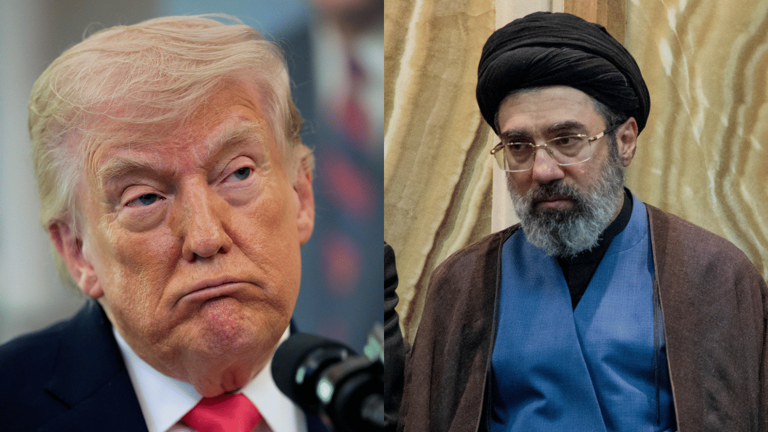
Tensions in the Middle East rise sharply as the United States and Iran race against time to seal a temporary ceasefire. Diplomatic channels stay active. Yet, signs of a breakthrough remain weak. Sources tracking the talks say both sides push hard, but trust remains thin and positions stay rigid.
First, negotiators focus on a proposed 45-day ceasefire. They aim to pause hostilities and open space for deeper talks. At the same time, mediators from Pakistan, Egypt, and Turkey step in to bridge gaps. They carry messages, suggest compromises, and try to keep both sides engaged. However, progress moves slowly.
Meanwhile, US President Donald Trump raises pressure. He extends his deadline to Tehran by 20 hours and sets a fresh cutoff. He signals hope for a deal. Still, he pairs that message with a strong warning. He threatens large-scale strikes if talks fail. As a result, urgency grows across diplomatic circles.
On the ground, people across Gulf nations watch closely. Energy markets react to every signal. Traders track developments around the Strait of Hormuz, a key oil route. Any disruption here could hit global supply. Local officials also review contingency plans to protect water and power systems.
Next, backchannel talks continue between US envoy Steve Witkoff and Iran’s Foreign Minister Abbas Araghchi. Both sides exchange proposals. Washington suggests multiple frameworks. Tehran reviews them but rejects each one so far. This pattern shows a deep divide on core issues.
The proposed plan follows a two-stage path. First, both sides would halt attacks for 45 days. During this window, negotiators would try to shape a permanent agreement. If talks show progress, they could extend the ceasefire. Then, in the second phase, both sides would work toward ending the conflict fully.
However, key disputes block progress. Control over the Strait of Hormuz remains a major sticking point. Iran sees it as leverage. The US demands full reopening to secure global trade routes. At the same time, disagreements over Iran’s enriched uranium stockpile persist. Washington pushes for removal or dilution. Tehran resists such steps without long-term guarantees.
Iranian leaders also recall past ceasefires in regions like Gaza and Lebanon. They argue those pauses failed to stop renewed strikes. As a result, they question short-term deals. They demand stronger assurances before making concessions. This stance slows negotiations further.
At the regional level, risks continue to rise. Officials warn that any strike on Iran’s energy infrastructure could trigger retaliation. Gulf countries could face attacks on oil and desalination facilities. Such moves could disrupt daily life and strain already fragile systems.
Despite ongoing talks, public messaging from Tehran stays firm. Military voices signal that conditions in the Strait of Hormuz may not return to normal soon, especially for the US and its allies. This message adds another layer of uncertainty.
In the final stretch, diplomats push for a last-minute compromise. However, time runs short. Each side calculates risks and weighs options. The next 48 hours could decide whether the region steps back from escalation or moves closer to a wider conflict.