Delhi Gymkhana controversy puts spotlight on centre’s power over leased land
The Union government has reiterated its authority to reclaim leased land whenever larger public needs require intervention. The statement comes at a time when discussions around land use, urban expansion and institutional properties continue to attract attention in the national capital.
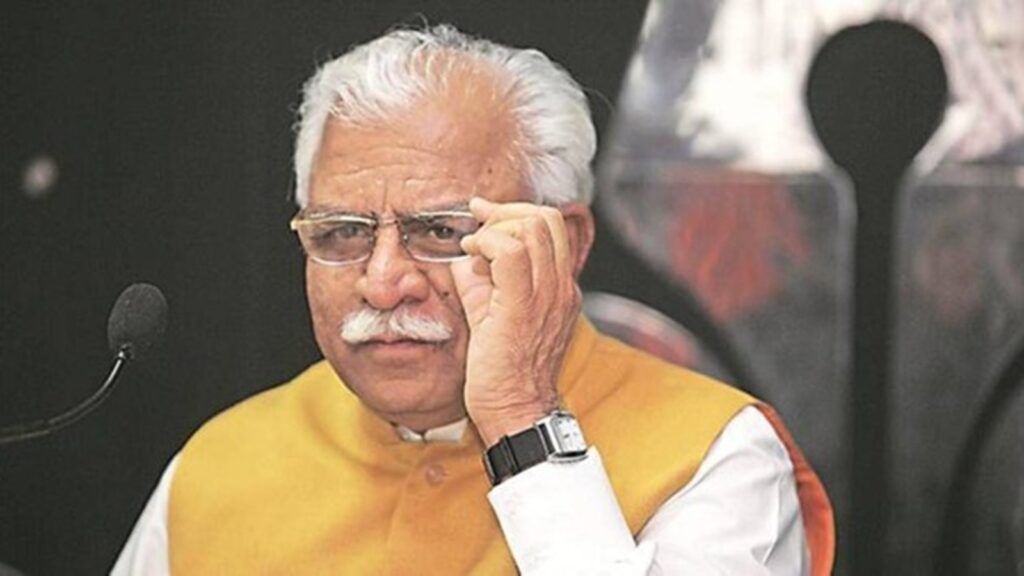
Union Housing and Urban Affairs Minister Manohar Lal Khattar addressed the issue during a media interaction in New Delhi on Monday. He said government agencies retain the power to resume possession of leased land if public interest demands such action. He also noted that rapid urban growth and increasing pressure on available land have made efficient land management a priority.
The minister emphasized that cities face growing challenges as populations expand and development needs rise. According to him, governments must preserve flexibility in planning future infrastructure, public facilities and civic projects. Therefore, authorities require legal mechanisms that allow them to reassess land use whenever circumstances change.
His remarks come amid ongoing public debate over the use of prominent institutional properties in Delhi. While the minister did not discuss any specific future projects, he stressed that public interest remains the guiding principle behind decisions involving government-owned land.
The issue carries significance because the Centre manages a vast portfolio of leased properties across the capital. These properties include residential, commercial, industrial and institutional plots located in several high-profile areas. Many of these locations occupy strategic positions in central Delhi and continue to play an important role in the city’s development landscape.
Meanwhile, the government also signaled progress on another major urban planning initiative. Khattar indicated that the revised Master Plan for Delhi could receive approval soon after authorities complete a final round of consultations.
Officials have worked on the plan for several years. The document aims to guide the city’s growth, address infrastructure needs and improve coordination among agencies responsible for planning and development. The minister said only a few suggestions remain under consideration before the final clearance process concludes.
The delay, he explained, largely stems from Delhi’s unique administrative structure. Multiple agencies oversee different aspects of governance in the capital. As a result, planners often need extensive consultations before implementing major policy decisions.
Residents and urban planners have followed the Master Plan closely because it influences housing, transportation, commercial development and environmental management. Many stakeholders expect the updated framework to provide clearer direction for future growth in one of the country’s fastest-expanding urban regions.
Attention has also shifted toward the broader National Capital Region. Authorities continue efforts to finalize the regional development framework that covers Delhi and neighboring areas in Haryana, Uttar Pradesh and Rajasthan. Officials hope stronger coordination among these states will help address challenges such as migration, traffic congestion, housing demand and environmental sustainability.
On the ground, urban development remains a key concern for residents. Growing populations have increased demand for better roads, public transport, housing and civic amenities. Consequently, policymakers face pressure to balance development goals with environmental safeguards and legal requirements.
The minister’s remarks came ahead of an international urban development forum scheduled in New Delhi later this month. During the event, India plans to highlight several major infrastructure and redevelopment initiatives that reflect its vision for future cities.
As policymakers push ahead with long-term planning, land management and coordinated urban growth are likely to remain central themes in discussions about Delhi’s future. Government officials believe that effective use of available land will play a crucial role in meeting the demands of a rapidly expanding urban population.