Kejriwal to argue in court: Excise case hearing enters crucial phase
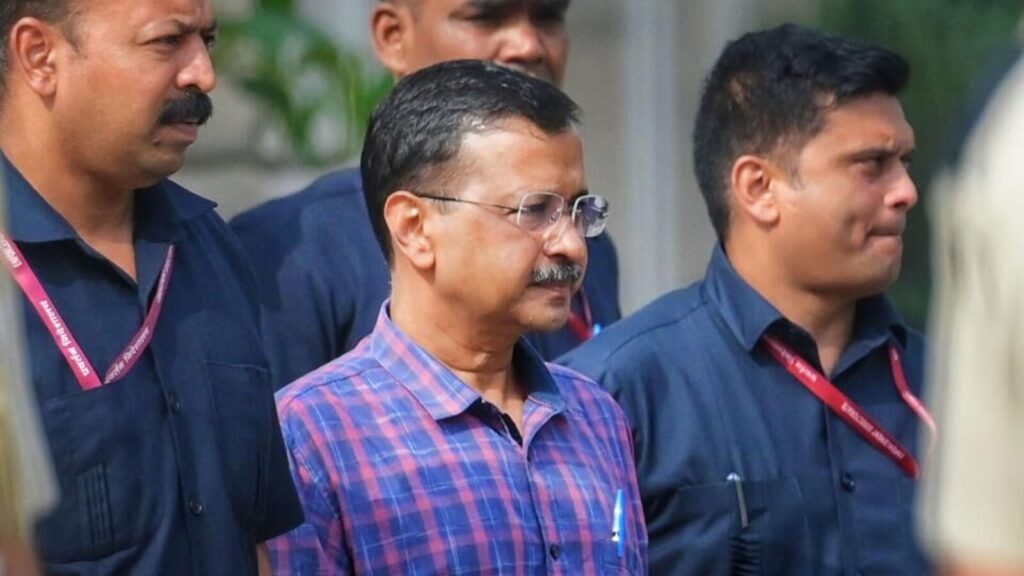
New Delhi – Political and legal tensions rise in Delhi as Arvind Kejriwal prepares to argue his case in person before the Delhi High Court. The hearing marks a key moment in the ongoing excise policy dispute. It also signals a more direct legal strategy from the Aam Aadmi Party leadership.
First, the court tightened the timeline. On April 2, it gave a final chance to Kejriwal, Manish Sisodia, and other accused to respond to a plea filed by the Enforcement Directorate. The agency wants certain remarks removed from the trial court’s earlier order. It claims those comments go beyond the scope of the case.
Next, the agency sharpened its argument. It told the court that the trial court made observations unrelated to the core investigation led by the Central Bureau of Investigation. It also stressed that it had no chance to present its position during that stage. As a result, it now seeks judicial correction at the High Court level.
Meanwhile, Kejriwal and his co-accused raised fresh concerns. In a recent submission, they questioned the neutrality of the proceedings. They argued that they fear bias in the current hearing process. Therefore, they filed a plea seeking recusal of Justice Swarana Kanta Sharma from the case. This move adds another layer of complexity to the legal battle.
Earlier developments set the stage for this hearing. On January 22, the Rouse Avenue Court cleared Kejriwal in a case linked to skipped summons. The court found no deliberate non-compliance. It ruled that the Enforcement Directorate failed to establish intent. Consequently, Kejriwal secured relief at that stage.
However, the legal fight did not end there. On March 30, the Enforcement Directorate challenged that relief. It approached the Delhi High Court and contested the lower court’s findings. Since then, both sides have prepared for a detailed argument. Today’s hearing reflects that build-up.
On the ground, the case draws strong public attention. Supporters of the Aam Aadmi Party gather outside court premises. They express confidence in their leadership. At the same time, opposition voices question the party’s stance and demand accountability. Security remains tight around the court complex to manage the crowd.
In addition, legal experts track the case closely. They see this hearing as a test of procedural fairness. They also note the broader political impact. The excise policy issue has already shaped public debate in Delhi. Now, court proceedings continue to influence that narrative.
As the hearing begins, Kejriwal takes a direct role in presenting his arguments. This step signals his intent to confront the case head-on. It also highlights the stakes involved, both legally and politically.
Looking ahead, the court’s next move will prove crucial. It will decide whether to accept the Enforcement Directorate’s plea or uphold the earlier observations. At the same time, it will address the recusal request. These decisions could reshape the direction of the case.
For now, all eyes remain on the courtroom. The outcome of this phase may not end the dispute. However, it will set the tone for what comes next in this high-profile legal and political battle.