Bengal Polls vs Clock: Supreme Court hearing puts voter roll crisis in focus
West Bengal moves closer to Assembly elections, yet uncertainty deepens. As April 23 approaches, attention shifts sharply to the Supreme Court of India. The court takes up a crucial hearing on the Special Intensive Revision (SIR) process. At the same time, judicial officers race to submit a revised voter list. This overlap raises serious questions about timing and preparedness.
First, the scale of the election remains massive. The state prepares to vote across 294 seats in two phases. However, beneath this routine schedule, a complex voter roll dispute unfolds. Earlier, on February 20, the Supreme Court stepped in. It invoked Article 142 and aimed to restore trust between the Election Commission of India and the state government led by Mamata Banerjee.
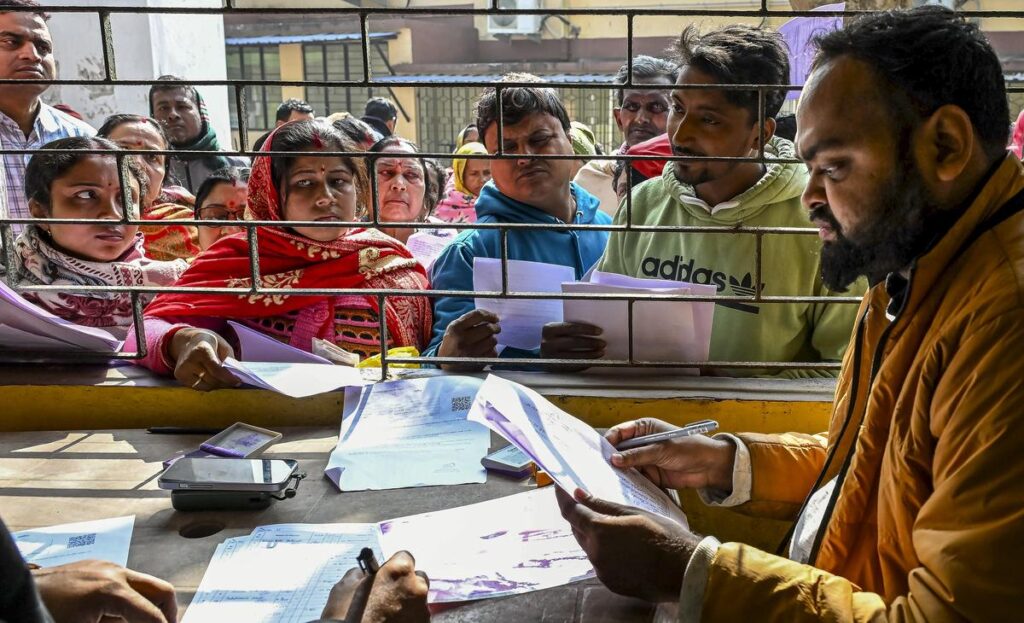
Next, the numbers reveal the gravity. Authorities removed nearly 60 lakh names during the SIR process. Now, officials expect around 33 lakh names to return after review. Still, nearly 27 lakh names remain excluded. This gap fuels fears of large-scale disenfranchisement. As a result, the court directed the Calcutta High Court to deploy judicial officers. It first assigned 530 officers. Later, it increased the number to 700, including personnel from neighboring states.
Meanwhile, these officers took over the role of electoral registration authorities. They reviewed claims and objections linked to “data discrepancies.” However, this step solved only part of the problem. The next phase—appeals—now creates fresh uncertainty.
At the ground level, confusion spreads. Voters remain unsure about their status. Political workers scramble to verify names. In districts like Malda, tensions even escalated. A mob detained judicial officers for hours, highlighting rising anxiety. Consequently, security concerns now add to administrative pressure.
Then comes the legal complication. After adjudication, appellate tribunals must hear challenges. Yet, officials have not fully operationalised these bodies. At the same time, deadlines close in. Voter rolls will freeze soon after nomination dates. For the first phase, that cutoff arrives almost immediately. This leaves little room to process appeals before voting begins.
In response, Chief Minister Mamata Banerjee raises alarm. She accuses the Centre of creating delays. She warns about extreme outcomes, including constitutional intervention. On the other hand, opposition parties reject her claims and defend the process.
Amid this clash, experts suggest practical solutions. Former Chief Election Commissioner SY Quraishi offers a key insight. He points to existing law. He explains that the last valid voter roll remains in force if revisions remain incomplete. Therefore, elections need not stop.
Additionally, he suggests another option. Authorities could allow disputed voters to cast ballots. Later, tribunals could decide their final status. This approach could balance fairness and timelines.
However, challenges persist. Authorities still rush to set up tribunals. They must also verify new documents, as the Supreme Court now allows fresh evidence in appeals. This adds another layer of complexity.
As the situation evolves, one fact stands clear. Completing the entire appellate process before polling looks nearly impossible. Therefore, decision-makers face a tough choice. They must either proceed with the existing voter list or adopt interim measures.
In the end, all eyes remain on the Supreme Court. Its next direction will shape the election roadmap. With time running out, Bengal now stands at a critical crossroads where law, logistics, and democracy intersect.