3-Day Taxi-Auto Strike Hits Delhi-NCR, Unions Demand Higher Fares
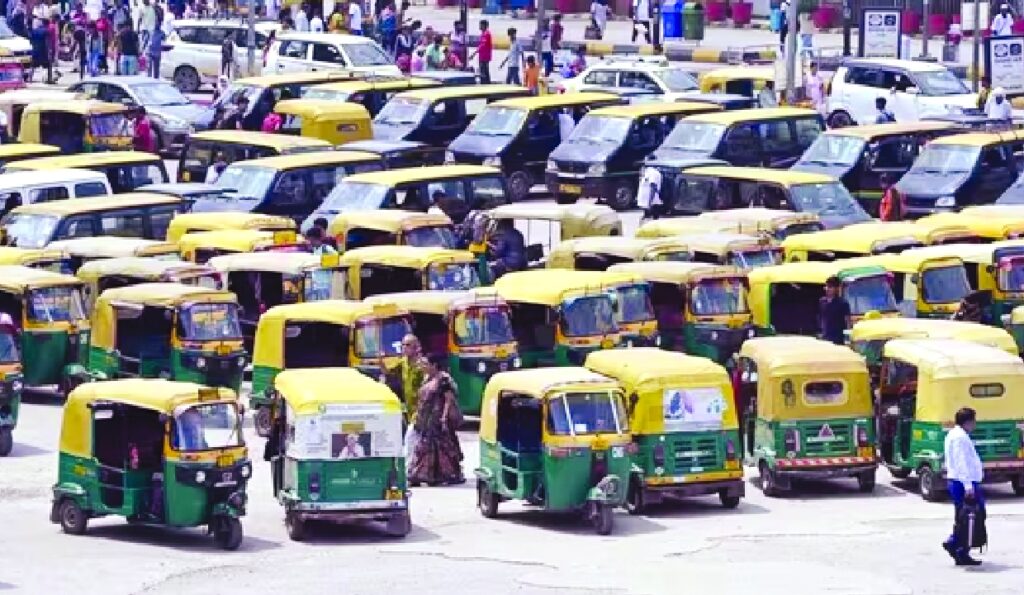
A three-day transport strike began across Delhi-NCR on Wednesday as taxi, auto and commercial vehicle drivers stepped off the roads and intensified pressure on the government over fare revision demands. The protest, scheduled from May 21 to May 23, disrupted daily travel in several parts of the capital and slowed transport activity at key commercial hubs.
From early morning, passengers struggled to book cabs while many auto-rickshaw stands remained nearly empty. Office-goers at metro stations and market areas searched for alternative transport as waiting times for app-based taxis sharply increased. In several areas, commuters reported higher ride prices because of limited vehicle availability.
The impact also reached transport centres. At Sanjay Gandhi Transport Nagar, one of North India’s largest logistics hubs, many trucks stayed parked instead of carrying goods across the city. Usually crowded loading zones looked unusually quiet as transport operators joined the agitation.
Meanwhile, unions warned that the protest could grow stronger in the coming days. Driver groups announced plans for road blockades and chakka jams at multiple locations to draw attention to their demands. Traffic movement may face further disruption if negotiations fail.
Drivers said falling earnings triggered the strike. According to several cab operators, app-based ride companies reduced fare payouts and incentives during recent weeks. They claimed per-kilometre earnings dropped sharply while fuel prices, maintenance bills and daily expenses continued to rise.
Many drivers also argued that long working hours no longer guarantee stable income. Some claimed they now spend most of their daily earnings on fuel, vehicle loans, parking fees and commission cuts charged by aggregators. As a result, many drivers said they struggle to support their families despite working extended shifts.
Outside transport offices and taxi stands, protesting drivers raised slogans and demanded immediate government intervention. Union leaders insisted that authorities revise fare structures quickly before the financial pressure pushes more drivers out of business.
Anuj Kumar Rathore, vice-president of the Chaalak Shakti Union, warned that unions would expand the protest if officials delay action. He said the government must announce a fare hike notification within the next one or two weeks. Otherwise, transport groups would intensify the agitation across Delhi.
The protest has also reopened debate around the changing economics of app-based transport services in major cities. Over the last few years, ride-hailing platforms expanded rapidly across Delhi-NCR and attracted thousands of drivers with incentive-heavy payment models. However, many drivers now claim those incentives have reduced steadily while competition on the platforms has increased.
Transport workers believe the current fare system no longer matches rising operational costs. Fuel rates, vehicle insurance charges and repair expenses have climbed during the past few years, yet many drivers say passenger fares and payouts have not increased at the same pace.
On the ground, commuters faced the immediate consequences. Several passengers at railway stations, bus terminals and business districts waited longer than usual for transport. Some shared rides with strangers while others shifted to metro services to avoid uncertainty on the roads.
Delhi-NCR witnesses transport strikes almost every few years, especially during disputes over fuel prices, permit policies and fare structures. However, unions now describe the present situation as more serious because of shrinking earnings linked to digital ride platforms.
For now, commuters and drivers both wait for a response from the Delhi government. While passengers seek relief from travel disruption, transport workers continue their demand for what they call fair and sustainable earnings.