Rare Ebola variant triggers fresh health alarm across Eastern Congo
Fear and uncertainty spread across eastern Congo as health workers raced to contain a fast-moving Ebola outbreak linked to a rare strain of the virus. Doctors, nurses and local volunteers said they lacked proper training, protective equipment and isolation facilities while new suspected cases continued to emerge in remote conflict-hit areas.
The outbreak has hit parts of Ituri and North Kivu provinces, regions that already face armed violence, displacement and weak healthcare systems. Local residents said the growing health emergency now adds fresh pressure on communities already struggling with insecurity and poverty.
In Bunia, residents lined up outside pharmacies searching for masks and disinfectants after reports of Ebola infections increased. Traders raised prices of sanitizers and protective supplies as demand surged. Many families also limited travel and avoided crowded spaces, although schools, churches and local markets continued daily operations.
At treatment centres, doctors witnessed severe symptoms among patients within a short period. Families described sudden fever, chest pain, vomiting and heavy bleeding after relatives initially mistook the illness for malaria or other common infections.
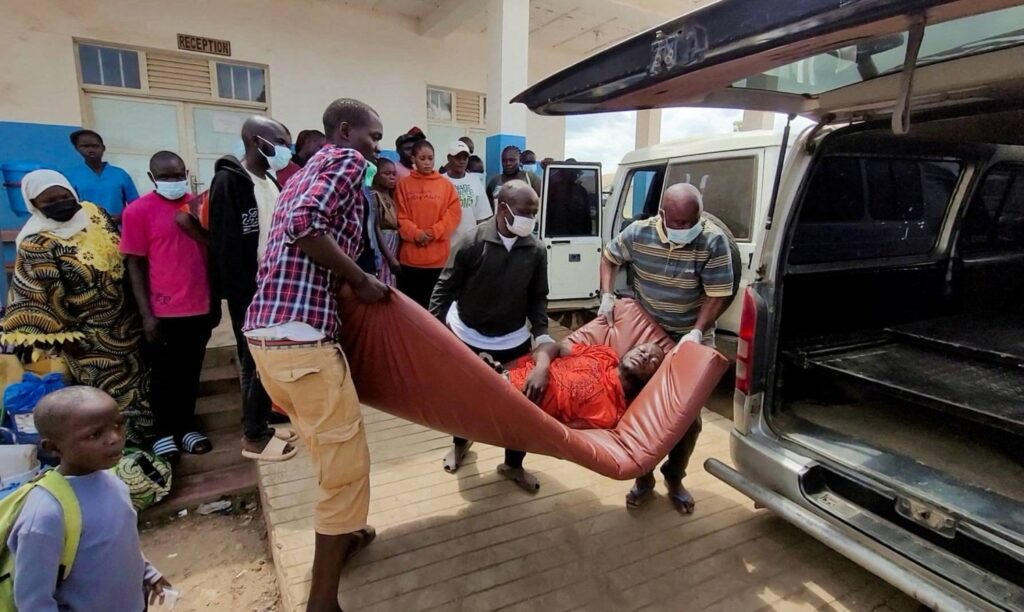
At a medical facility in Rwampara, grieving relatives watched healthcare teams carry out emergency burials under strict safety rules. Workers in protective suits disinfected bodies before placing them into sealed coffins. Several families cried outside the treatment units as doctors restricted physical contact.
Meanwhile, the security situation complicated response efforts further. Militants linked to the Islamic State group attacked Alima village in Ituri province and killed several people earlier this week. Local leaders warned that violence continues to block medical access in many areas and slows emergency response teams.
The World Health Organization said the outbreak involves the Bundibugyo strain of Ebola, a less common type of the virus. Health officials believe the virus circulated quietly for weeks before authorities identified it. Early investigations focused on another Ebola strain because initial test results came back negative.
So far, officials confirmed dozens of infections in Congo and additional cases across the border in Uganda. However, international health experts warned the actual numbers could stand far higher because remote villages often report cases late and many patients never reach hospitals.
Doctors on the ground described overcrowded wards and dangerous conditions. At some hospitals, suspected Ebola patients shared rooms with people suffering from injuries or unrelated illnesses because isolation units had no free space left.
Medical teams also warned about staff shortages. Some healthcare workers said they had little experience handling Ebola outbreaks and feared infection due to limited protective gear. In Mongbwalu, one hospital treated dozens of patients while doctors struggled to separate confirmed and suspected infections.
Despite the growing crisis, daily life continued in many towns. Gold mining activities remained active near the Uganda border, and traders continued moving between communities. Civil society groups said many villages still lacked handwashing stations and public awareness campaigns.
Health experts fear the situation could worsen because no approved vaccine currently exists for the Bundibugyo strain. Officials from the WHO said researchers may need several more months before any vaccine becomes available.
The outbreak has also drawn international attention after infected American nationals received treatment support in Europe. German authorities placed one Ebola-positive U.S. citizen in a special isolation ward in Berlin, while Czech officials prepared to receive another American doctor who treated Ebola patients in Uganda.
Congo has faced multiple Ebola outbreaks over the years, but health workers say this crisis presents fresh challenges because of conflict, displacement and severe gaps in medical infrastructure. Aid agencies now push for urgent funding, stronger surveillance and faster emergency support before the virus spreads deeper across the region.