US-Iran talks stall over Uranium freeze gap, mediators push for middle ground
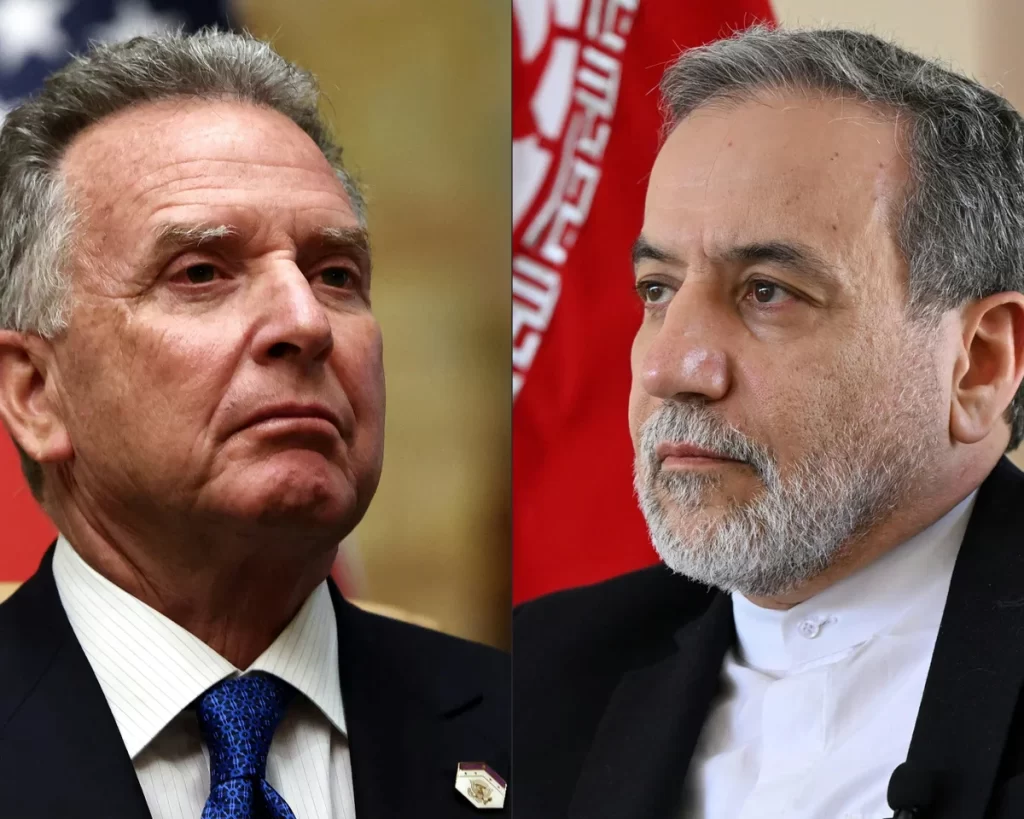
Fresh details reveal how close yet far apart the United States and Iran came during high-stakes nuclear talks. Washington pushes for a 20-year halt on uranium enrichment. In contrast, Tehran offers only a five-year pause. This sharp gap quickly becomes the main roadblock.
Next, negotiators dive into specifics. The US side demands a long-term freeze along with strict limits on Iran’s nuclear activity. It also asks Tehran to remove its stockpile of highly enriched uranium. However, Iran rejects that route. Instead, it proposes a monitored process to dilute enriched uranium rather than ship it out. As a result, both sides struggle to find common ground.
Meanwhile, analysts track signs of a possible compromise. Ian Bremmer signals that both sides may consider a 12.5-year suspension. He shares this update publicly, although he does not disclose sources. Even so, his claim adds momentum to ongoing backchannel efforts.
On the ground, the talks unfold in Islamabad under tight timelines. Mediators step in to bridge differences. Shehbaz Sharif leads coordination efforts, while Badr Abdelatty and Hakan Fidan support the process. They push both sides to soften initial positions and move toward a workable formula.
However, tensions rise suddenly. The US delegation exits Islamabad earlier than expected. This move surprises Iranian negotiators, who believe a preliminary deal is within reach. Soon after, JD Vance publicly blames Tehran and signals the end of talks. Iranian officials react sharply, and frustration grows inside the room.
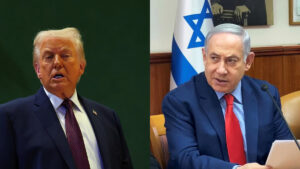
At the same time, Washington keeps pressure intact. Donald Trump states that “the right people” from Iran have reached out and expressed interest in a deal. Yet, he pairs this message with tougher steps, including a planned blockade targeting Iran-linked shipping. This dual approach mixes diplomacy with coercion.
In the background, the stakes remain high. Both countries aim to avoid escalation as a fragile ceasefire deadline approaches. The current window offers a rare chance to reduce tensions that have built over years of mistrust. Past negotiations have often collapsed over enrichment limits and verification mechanisms. This round follows a similar pattern but shows slightly more flexibility.
Importantly, both sides continue engagement despite the setback. US officials confirm that talks have not fully collapsed. Instead, they describe ongoing movement toward a possible agreement. Mediators also echo this view. They stress that early demands often sound extreme, but negotiations usually narrow gaps over time.
In conclusion, the failed breakthrough highlights deep divisions but also leaves space for progress. The disagreement over timelines remains central. Still, signals of compromise, combined with active mediation, keep the diplomatic channel open. The coming days will determine whether both sides convert cautious optimism into a concrete deal.