Trump raises stakes on Iran deal as fragile ceasefire tests ground reality
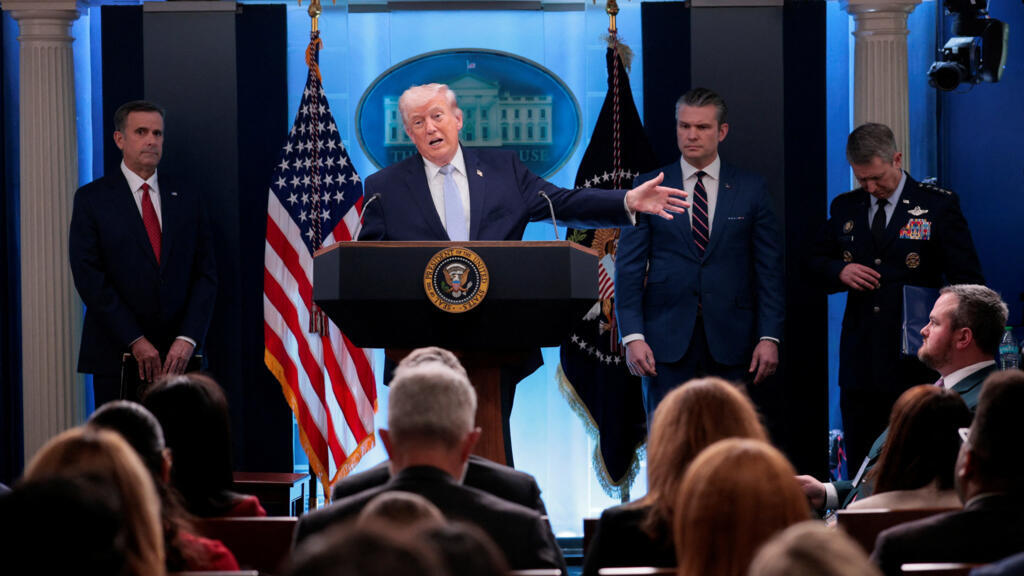
First, US President Donald Trump sharpens his warning to Iran. He signals a clear escalation path if talks collapse. He says stronger military action will follow if both sides fail to seal a “real agreement.”
At the same time, he confirms that US forces will stay deployed in and around Iran. He frames this move as leverage. He argues that pressure will push Tehran toward compliance. He also repeats a key red line. He says Iran must not develop nuclear weapons.
Meanwhile, a fragile pause holds on the ground. Iran agrees to a two-week ceasefire after days of rising tensions across the Middle East. The pause slows immediate hostilities. However, it does not settle core disputes. Instead, it opens a narrow window for diplomacy.
Next, Trump lays out his position on social media. He stresses that US ships, aircraft, and personnel will remain in place. He highlights additional ammunition and weaponry already positioned in the region. He projects readiness while talks continue. Then, he adds a stark warning. He says if the deal fails, “shooting” will resume at a much larger scale.
In parallel, he brings up the Strait of Hormuz. He calls it critical for global energy flow. He insists it must stay open and safe. This statement targets both markets and allies. It signals that Washington will protect shipping lanes at any cost.
However, Tehran offers a different narrative. Iran’s Supreme National Security Council claims it forced concessions from Washington. It says the US accepted Iran’s control over Hormuz and its enrichment rights. It also claims progress on sanctions removal. These statements directly clash with Trump’s position. As a result, confusion clouds the actual terms of the ceasefire.
On the ground, uncertainty shapes daily life. In Gulf shipping hubs, traders track every signal. Tanker movement remains cautious. Insurance costs stay high. Local businesses brace for sudden shifts. A single misstep could disrupt oil flows again. That risk keeps markets tense.
At the same time, regional observers note a pattern. Both sides use strong public messaging. Each side tries to show strength at home. Each side also keeps room for negotiation behind the scenes. This dual strategy defines the current phase.
Earlier this week, Trump nearly ordered fresh strikes. He paused the move just before his own deadline expired. That decision hints at internal balancing. He wants pressure, yet he avoids immediate escalation. Iran, on the other hand, accepts the truce but pushes its own terms. This push-and-pull keeps the situation volatile.
Looking ahead, the next two weeks will prove critical. Diplomats must convert the ceasefire into a concrete framework. They must address nuclear limits, sanctions, and regional security. If talks progress, tensions may ease. If talks fail, escalation may return quickly.
For now, both sides hold their positions. The ceasefire buys time, but not certainty. The region watches closely as rhetoric, military posture, and diplomacy move in parallel.