Trump says US forces killed senior ISIS Commander Abu-Bilal al-Minuki in Nigeria
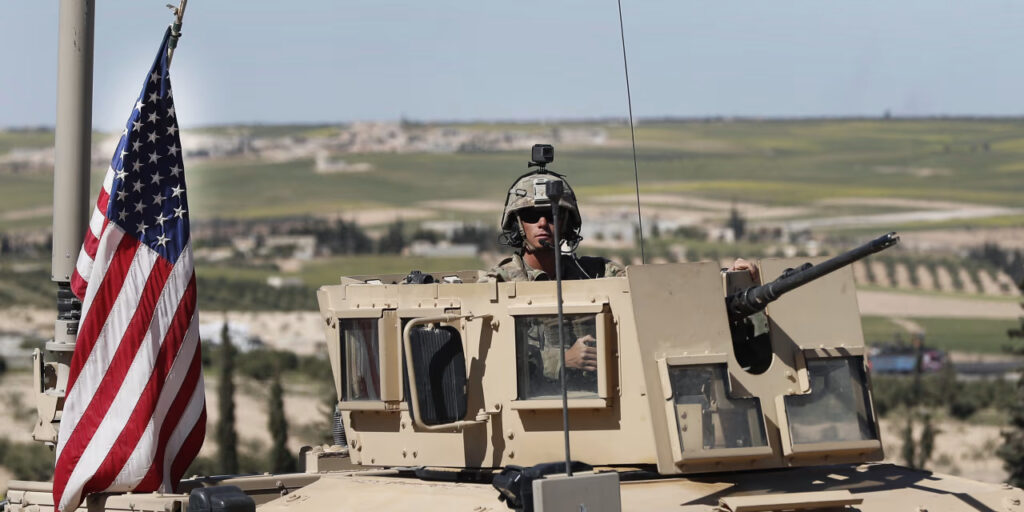
US President Donald Trump on Saturday announced the death of a senior Islamic State commander during a joint military operation carried out by American and Nigerian forces in Africa. Trump described the mission as highly coordinated and said troops eliminated one of the world’s most active terror operatives during the strike.
According to Trump, the operation targeted Abu-Bilal al-Minuki, also known as Abu Bakr Muhammad al-Mainuki, a senior figure linked to the Islamic State network in the Sahel region. Trump claimed the mission dealt a major blow to the terror outfit’s global structure and reduced its ability to organise attacks.
In a statement posted on social media, Trump praised US special forces and Nigerian troops for carrying out what he called a “complex mission.” He also said intelligence teams tracked the militant’s movements for a long period before forces launched the final operation.
Soon after the announcement, security discussions intensified across parts of Nigeria where extremist violence has troubled communities for years. In towns close to conflict-hit zones, residents welcomed reports of the operation but also expressed caution. Several locals said militant groups often regroup even after losing top commanders. Traders and transport workers in northern areas continued daily activities under heavy security presence while conversations around fresh terror threats dominated markets and roadside tea stalls.
Abu-Bilal al-Minuki remained one of the lesser-known but influential figures within the Islamic State network in Africa. Security experts linked him to the Islamic State West Africa Province, commonly known as ISWAP. Reports from counterterrorism agencies accused him of handling financial channels, coordinating fighters and helping extremist cells maintain operations across parts of West and Central Africa.
The US government had already designated al-Minuki as a global terrorist in 2023. American officials accused him of supporting international terror financing and assisting recruitment activities tied to Islamic State operations. Intelligence agencies also monitored his growing influence in the Sahel region, an area that has witnessed repeated insurgent attacks in recent years.
Meanwhile, Nigerian security forces have continued large counterterror operations against extremist groups operating near remote border regions. Militants linked to Boko Haram and ISWAP have attacked villages, security posts and civilians across northeastern Nigeria for more than a decade. Thousands of families have lost homes, while many others still live in temporary camps after fleeing violence.
Trump’s latest announcement also revived memories of earlier US military action in Nigeria. Last year, he strongly criticised attacks on Christian communities in the country and accused extremist groups of carrying out targeted killings. Nigerian authorities, however, rejected several of those claims and insisted the violence involved broader security challenges rather than religious persecution alone.
Even so, Washington continued security cooperation with Nigeria through intelligence sharing and counterterror support. The latest operation now signals deeper coordination between both countries as they attempt to weaken Islamic State networks across Africa.
Although Islamic State has lost much of the territory it once controlled during the 2010s, security analysts warn that regional branches still pose threats in unstable regions. For now, officials in both countries hope the latest strike disrupts future terror planning and weakens militant influence across the Sahel.