CBI tightens NEET leak probe after arrest of Pune-based Chemistry Professor
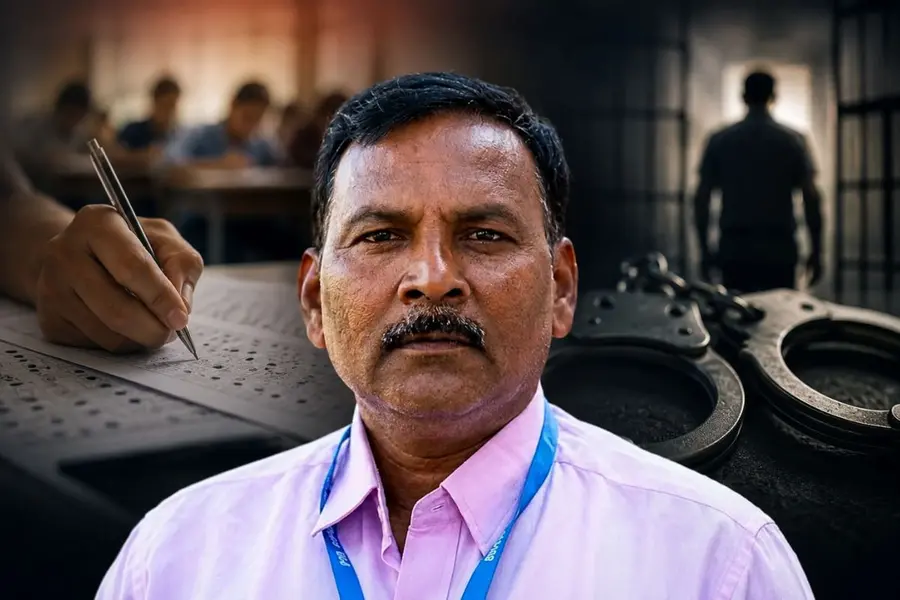
The Central Bureau of Investigation stepped up its investigation into the NEET paper leak case after officers arrested a Pune-based chemistry professor whom they suspect played a central role in the exam fraud network.
Investigators believe the accused used his connection with the examination process to access confidential material linked to the medical entrance test. Officials suspect he later shared questions with select students before the exam took place. The case has triggered concern across the country because nearly 23 lakh students appeared for the highly competitive medical entrance examination this year.
According to investigators, the professor also conducted private coaching sessions from his Pune residence. During one such class held shortly before the examination, students allegedly received several questions along with answer options and explanations. Investigators later compared notes recovered from candidates with the actual NEET paper and reportedly found major similarities.
The latest arrest has widened the investigation and intensified scrutiny over the security of India’s national-level entrance examinations. CBI officers now suspect that a broader network operated across multiple cities with the help of intermediaries, local coordinators and financially motivated agents.
Meanwhile, another accused woman who allegedly contacted students and parents also came under the scanner. Investigators claim she promised medical admissions and access to leaked papers in exchange for large sums of money. Officials suspect she connected interested candidates with members of the larger network.
Across coaching hubs in Pune, Kota and Delhi, the latest developments sparked fresh anxiety among students preparing for competitive examinations. Outside coaching centres in Pune, many aspirants expressed frustration over repeated allegations of paper leaks and organised cheating.
Some students said they spent years preparing honestly while others allegedly searched for shortcuts through illegal networks. Parents waiting near hostels and libraries questioned how confidential exam material could circulate before such an important national test.
At roadside cafes and tea stalls near preparation centres, conversations revolved around trust in the education system. Several students argued that authorities should impose harsher punishment on people involved in exam fraud. Others demanded stronger digital monitoring and tighter supervision during question paper handling.
The NEET controversy first gained momentum after reports from different states suggested that some candidates had prior access to questions before the exam. Soon after, investigators launched raids and detained multiple suspects from Maharashtra, Rajasthan, Haryana and Bihar.
Over the past few days, CBI teams searched several premises and collected electronic devices, mobile phones and financial records for forensic examination. Officials hope digital evidence and communication trails will help identify more individuals connected to the alleged racket.
Investigators also aim to determine how far the network spread and whether organised groups targeted candidates across state borders. Sources linked to the probe believe several people worked together at different levels, including those responsible for student contact, money collection and paper circulation.
The controversy has also triggered political reactions and public debate over the credibility of competitive examinations in India. Opposition leaders questioned the effectiveness of current safeguards, while education experts called for structural reforms and stricter accountability mechanisms.
For lakhs of students, however, the issue extends beyond politics. Many aspirants now worry about fairness and equal opportunity in examinations that shape academic careers and future professions.
As the investigation continues, officials expect more questioning, forensic analysis and possible arrests in the coming days. The case has already exposed serious concerns around exam security and raised difficult questions about trust within India’s competitive education system.