
Iran revives drone manufacturing sooner than expected after strikes: Report
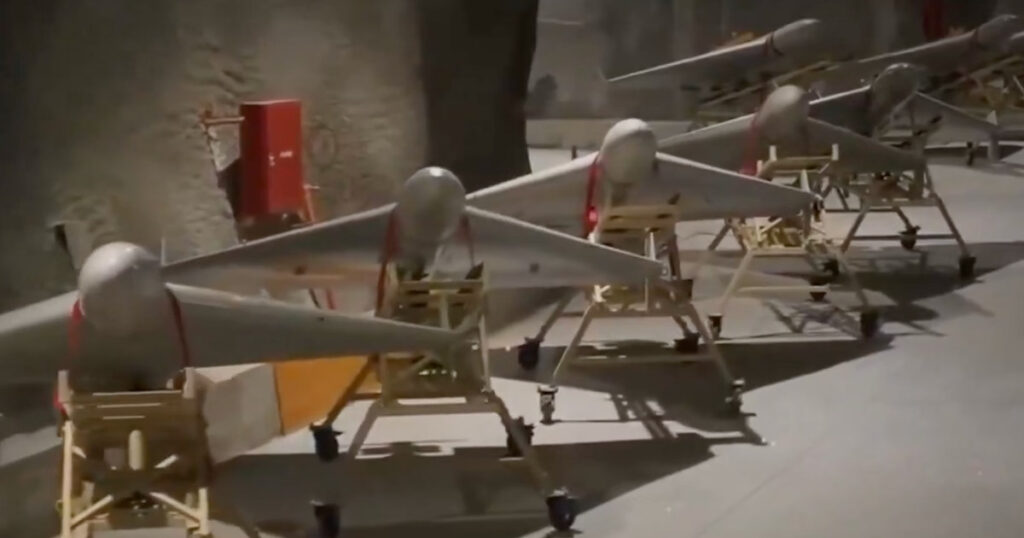
Iran has accelerated efforts to rebuild its damaged military infrastructure just weeks after intense strikes by the United States and Israel. Fresh intelligence assessments now suggest Tehran has recovered faster than several Western agencies initially expected.
According to multiple security assessments, Iran has already restarted drone production and resumed work at several military facilities damaged during the conflict. Officials tracking the developments say the recovery has surprised intelligence agencies because repair work and weapons manufacturing restarted within a short period after the ceasefire.
The recent conflict had targeted missile launch sites, drone facilities and defence production centres across Iran. However, new findings indicate that large parts of Iran’s operational capability survived the attacks.
Security analysts now believe Iran still retains nearly half of its drone warfare capacity. In addition, several ballistic missile launchers escaped destruction during the strikes. Intelligence officials claim Iranian forces recovered and restored some launch systems buried under damaged structures.
This rapid recovery has raised concerns across West Asia, especially among countries that remain within the range of Iranian missiles and drones. Defence experts now expect Tehran to focus more heavily on drone warfare because drones cost less, move faster through production lines and create pressure without large-scale missile launches.
In Tehran and nearby industrial zones, reports suggest engineers and military workers returned quickly to repair facilities linked to weapons manufacturing. Satellite monitoring and intelligence tracking also indicate movement around missile storage areas and logistics centres.
Meanwhile, tensions between Washington and Tehran continue despite the temporary halt in direct military escalation. Talks over a long-term peace arrangement remain stalled, and both sides continue exchanging warnings.
US President Donald Trump recently claimed he came close to approving another round of strikes on Iran before diplomatic efforts prevented further escalation. His remarks reflected growing frustration inside Washington over the pace of Iran’s military recovery.
At the same time, intelligence officials reportedly admitted that Iran rebuilt portions of its military network faster than expected timelines. Some assessments now suggest Iran could fully restore its drone strike capability within months if reconstruction continues at the current speed.
The recovery effort has also renewed attention on Iran’s international partnerships. Western officials suspect Iran continues receiving technical and logistical support from both China and Russia, especially for missile-related components and industrial supplies.
Israeli Prime Minister Benjamin Netanyahu recently alleged that China had provided support connected to missile manufacturing. However, Chinese officials rejected those claims and called them inaccurate.
Inside Israel and Gulf nations, military planners now closely monitor Iran’s rebuilding process. Security agencies fear renewed hostilities could quickly place regional targets back under threat if Iran restores its missile and drone stockpiles.
Despite these concerns, American military leaders continue defending the earlier strikes. Officials from US Central Command insist the operation caused severe damage to Iran’s defence industry and significantly weakened its military production capability.
However, fresh intelligence findings appear less certain about the long-term impact. Analysts now believe the strikes slowed Iran’s military momentum but failed to completely dismantle the country’s weapons infrastructure.
As diplomatic talks remain uncertain, regional governments continue preparing for another period of instability. For now, Iran’s rapid recovery has become a major strategic concern across the region.