Delhi heat shows no mercy as nights turn hotter, hospitals fill and power demand surges
Delhi’s brutal summer has started rewriting records even before June arrives. This time, the heat no longer fades after sunset. Instead, residents now struggle through sleepless and exhausting nights as temperatures stay unusually high across the Capital.
On Thursday night, Delhi recorded its hottest May night in 14 years. The Safdarjung weather station logged a minimum temperature of 31.9 degrees Celsius, nearly five degrees above the seasonal average. The reading also marked the city’s first officially recognised “warm night” of the season.
During the day, the heat intensified further. Safdarjung touched 43.6 degrees Celsius, while several neighbourhoods crossed the 45-degree mark. Ridge emerged among the hottest zones in the city. Earlier this week, Mungeshpur in northwest Delhi recorded 46.3 degrees Celsius, turning roads and markets nearly empty during peak afternoon hours.
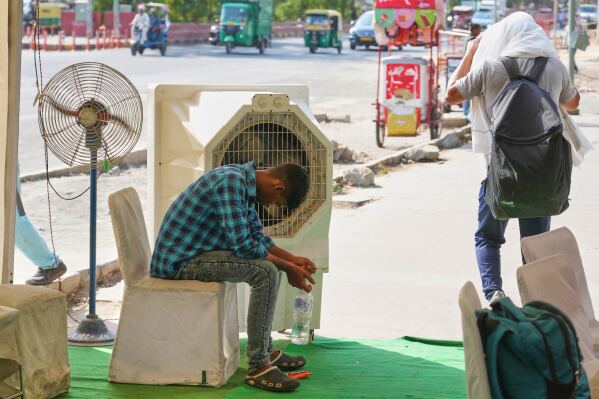
Across bus stops, metro exits and roadside stalls, people searched for shade and drinking water. In many areas, residents wrapped wet cloth around their heads before stepping outdoors. Delivery workers, auto drivers and labourers continued working despite the dangerous conditions.
Meanwhile, cooling shelters across Delhi witnessed a steady rush of visitors. Authorities equipped these centres with fans, coolers, drinking water and oral rehydration solutions. Families, tourists and daily wage workers spent hours inside these shelters to escape the burning winds outside.
Near central Delhi, volunteers handed out electrolyte drinks as exhausted visitors rested close to air coolers. Many people said they avoided unnecessary travel because the heat drained energy within minutes.
The rising temperature has also started affecting public health. Hospitals across the city now report an increase in heat-related illnesses, especially dehydration, dizziness and heat exhaustion.
At Ram Manohar Lohia Hospital, doctors admitted two serious heatstroke patients this week. One patient, a young student travelling by train, arrived with extremely high body temperature and severe disorientation. Another middle-aged man reached the hospital unconscious after prolonged exposure to heat outdoors.
Doctors at Sir Ganga Ram Hospital also confirmed a sharp rise in patients suffering from heat stress. Medical experts warned that delayed treatment during heatstroke can damage the brain, kidneys and heart.
Alongside health concerns, Delhi’s electricity demand has climbed rapidly. Continuous use of air-conditioners, coolers and fans pushed peak power demand above 8,200 megawatts this week. Officials now expect demand to touch 9,000 MW later this summer if temperatures continue rising.
Despite the pressure, power companies maintained uninterrupted supply in most parts of the city. However, residents in several outer colonies still complained about local outages and voltage fluctuations during peak afternoon hours.
The heat has also increased fire risks across Delhi. Fire officials said the department now receives emergency calls almost every few minutes. Warehouses, residential buildings and open forest patches reported multiple fire incidents this week as dry winds and extreme temperatures created hazardous conditions.
The India Meteorological Department has continued its orange heatwave alert for Delhi till May 27. Weather officials said dry northwesterly winds and the absence of strong western disturbances continue to trap heat over the region.
Experts also ruled out immediate relief. Weather systems affecting the Himalayan belt may bring scattered rain to nearby states, but Delhi will likely remain dry and intensely hot over the coming days.
For millions across the Capital, the summer now feels less like a season and more like a daily survival test.