IMF unlocks $1.32 billion for Pakistan, seeks tougher reforms
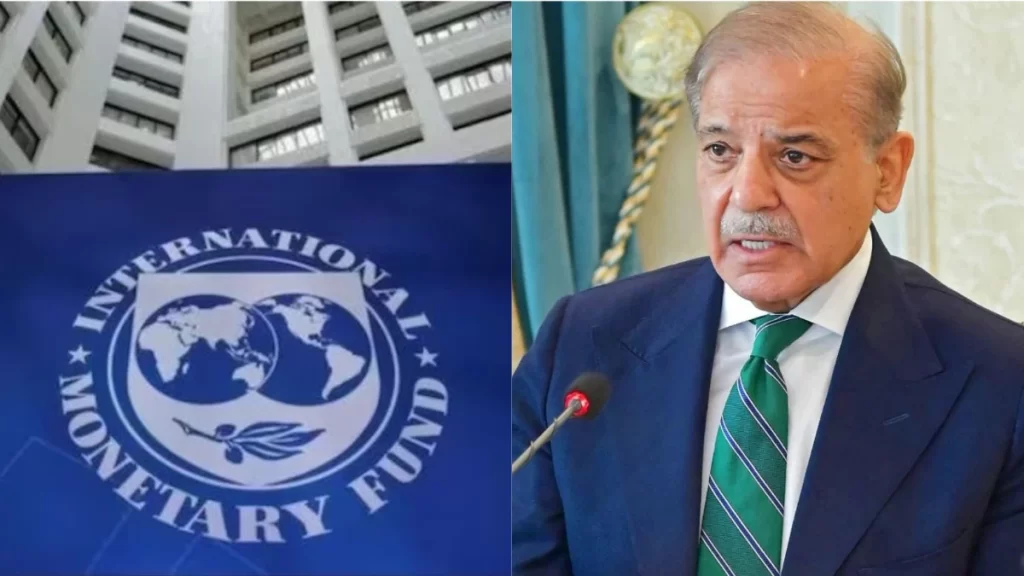
International Monetary Fund approved fresh financial support for Pakistan on Friday and cleared the release of nearly $1.32 billion under two ongoing assistance programmes. The decision arrived at a time when Pakistan continues to battle inflation, weak growth, rising unemployment and pressure on foreign exchange reserves.
The IMF said Pakistan can immediately access around $1.1 billion under the Extended Fund Facility and another $220 million through the Resilience and Sustainability Facility. With the latest clearance, total disbursements under the current arrangements have now reached nearly $4.8 billion.
In Islamabad, officials welcomed the decision and described it as a crucial boost for the country’s fragile economy. Finance ministry sources said the funds could strengthen investor confidence and help stabilise the rupee in the short term. Government circles also expect the inflow to improve reserve levels at the central bank during a period of global uncertainty.
However, the approval came with strict economic expectations.
The IMF asked Pakistan to maintain tight fiscal and monetary discipline while pushing ahead with structural reforms. The lender pointed to growing uncertainty in the external environment, especially after tensions and conflict in West Asia disrupted global markets and fuel prices.
Earlier this year, the State Bank of Pakistan raised its benchmark interest rate by 100 basis points to 11.5 percent. The IMF praised the move and said the central bank acted early to control inflation risks and maintain economic stability.
On the ground, though, many Pakistanis continue to struggle with the social cost of economic tightening. In several urban markets across Karachi and Lahore, traders and small business owners have complained about falling consumer spending and shrinking profit margins. Rising utility bills and expensive fuel have also increased pressure on middle-class families and daily wage earners.
At the same time, the government defended its policies and argued that economic stabilisation remains necessary to avoid a deeper financial crisis.
Pakistan entered the $7 billion IMF programme after facing severe balance-of-payment stress and rapidly declining foreign reserves. Since then, Islamabad has repeatedly negotiated with the lender over tax reforms, subsidy cuts and spending controls.
During the latest review, the IMF examined Pakistan’s economic performance between July and December 2025. According to officials, Pakistan met all major quantitative performance targets during that period and performed better than expected on reserve accumulation.
Still, concerns remained over tax collection.
The Federal Board of Revenue failed to meet targets linked to overall tax receipts and retailer income tax collection. IMF officials reportedly identified weak tax compliance as one of the biggest gaps in Pakistan’s reform effort. In response, the government assured the lender that it would intensify revenue reforms and reduce the shortfall before the fiscal year ends.
To bridge the gap, Islamabad increased petroleum levy rates and tightened fiscal controls. Authorities also pushed forward with reforms linked to social welfare, gas-sector sustainability and technology investment zones.
Meanwhile, Pakistan introduced several climate-related financial measures under a separate $1.2 billion sustainability facility. Officials adopted a green investment framework and issued guidelines for climate-risk disclosures by listed companies.
Finance Minister Muhammad Aurangzeb told the IMF that Pakistan would continue following disciplined economic policies despite political and public pressure. He also assured the lender that the government would stay committed to budget targets even if regional instability deepens further.
According to Pakistani media reports, the government now plans to prepare the next budget in close coordination with IMF officials. The strategy signals that Islamabad wants continued external support while avoiding policies that could sharply increase spending before economic conditions improve.