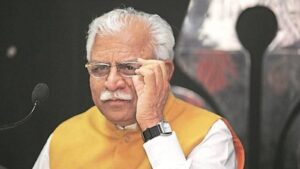
Axis My India holds back Bengal exit poll as voter silence clouds projections
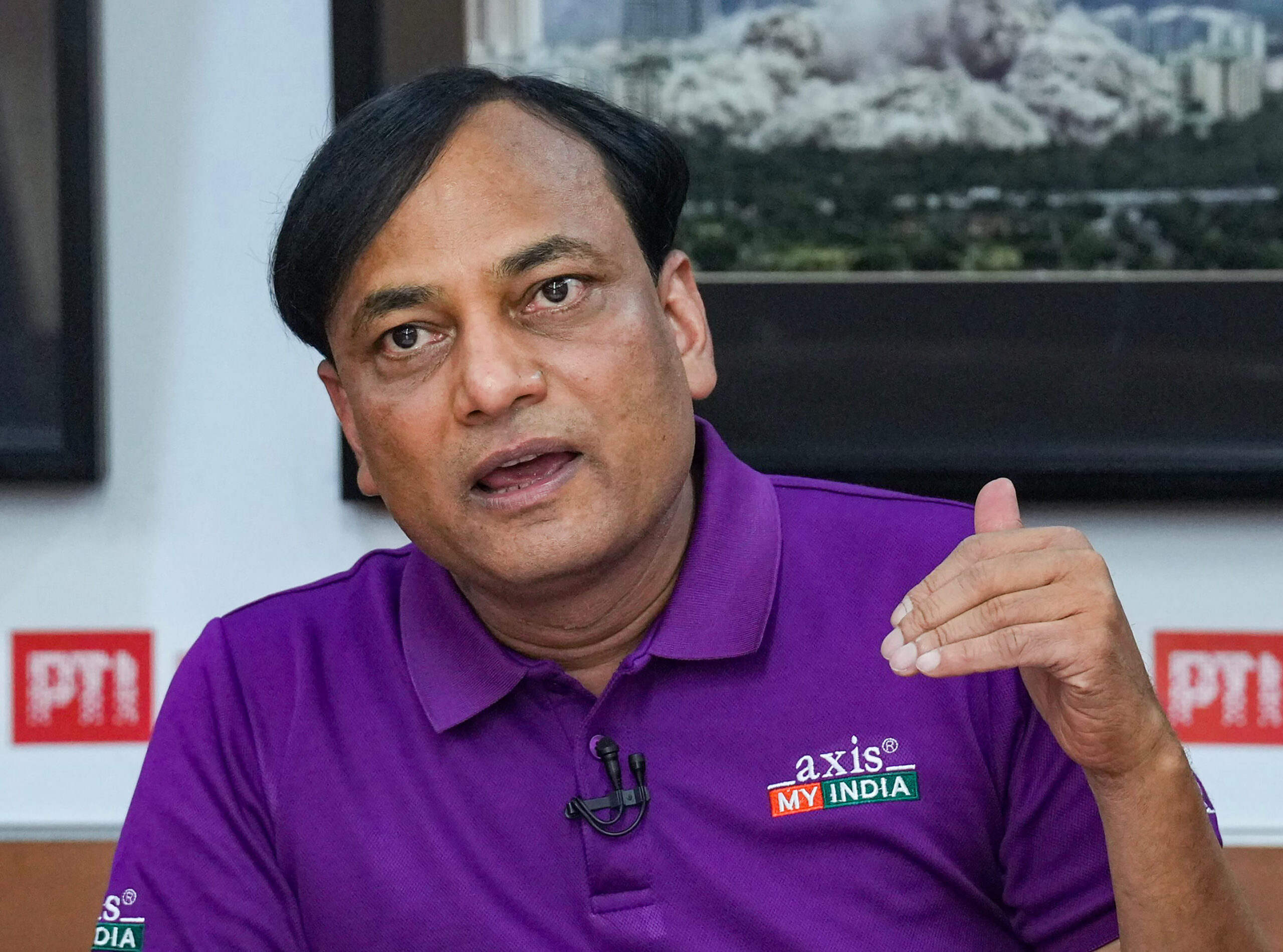
As voting ended in West Bengal, most pollsters rushed to release exit poll estimates. However, one major agency chose caution. Pradeep Gupta, founder of Axis My India, said his team may delay its projection due to limited voter response.
Voters avoid conversations even after polling
On the ground, survey teams faced unusual resistance. First, they approached voters after each phase. Then, many respondents refused to share their choices. According to Gupta, nearly 60–70 percent of people declined to answer even basic questions.
Field workers reported similar patterns across districts. In urban pockets, voters avoided engagement. In rural areas, many stayed cautious and silent. This trend created gaps in data collection. As a result, the agency struggled to build a reliable sample.
Gupta stressed that his team relies on face-to-face interaction. He said the model demands wide participation. Without that, predictions may mislead rather than inform.
Why Axis May skip the numbers
Gupta made his position clear. He said the agency will not publish estimates based on a small or skewed sample. He added that a 20–30 percent response rate does not reflect the electorate.
He also said the team will try again after polling ends. He expects voters to relax once the process concludes. However, he admitted uncertainty around whether participation will improve enough to release data.
For Axis My India, credibility remains central. The agency prefers to skip a projection rather than risk an inaccurate call.
Split trends from other pollsters
Meanwhile, other surveys painted a divided picture. Some projections placed the Bharatiya Janata Party ahead. Others backed the All India Trinamool Congress led by Mamata Banerjee.
Certain pollsters suggested the BJP could cross the majority mark. In contrast, others predicted a strong return for the ruling Trinamool Congress. These conflicting numbers kept the outcome uncertain and fuelled political suspense.
At the same time, most projections showed weak prospects for the Left-Congress alliance. Many surveys placed their expected tally in single digits, indicating limited traction.
Background: High-stakes battle across 294 seats
West Bengal remains one of the most closely watched electoral contests. The state has 294 assembly seats, and parties need 148 for a majority. This election unfolded over multiple phases, with heavy campaigning from all sides.
The BJP treated the state as a key expansion ground. It deployed top leadership and ran an aggressive campaign. In response, the Trinamool Congress relied on its grassroots network and welfare schemes to retain support.
The BJP expanded rapidly in Bengal. It emerged as the principal challenger in recent elections. However, the ruling party continues to hold strong organisational control.
Attention shifts to counting day. Exit polls offer early signals, but gaps in data raise questions. Axis My India’s hesitation highlights the challenge of capturing voter sentiment in a tense political climate.
Uncertainty dominates the narrative. Voters have cast their ballots, but many have kept their choices private. As a result, the final verdict remains locked until counting begins.