America softens ‘leave country’ Green Card policy, cites national interest
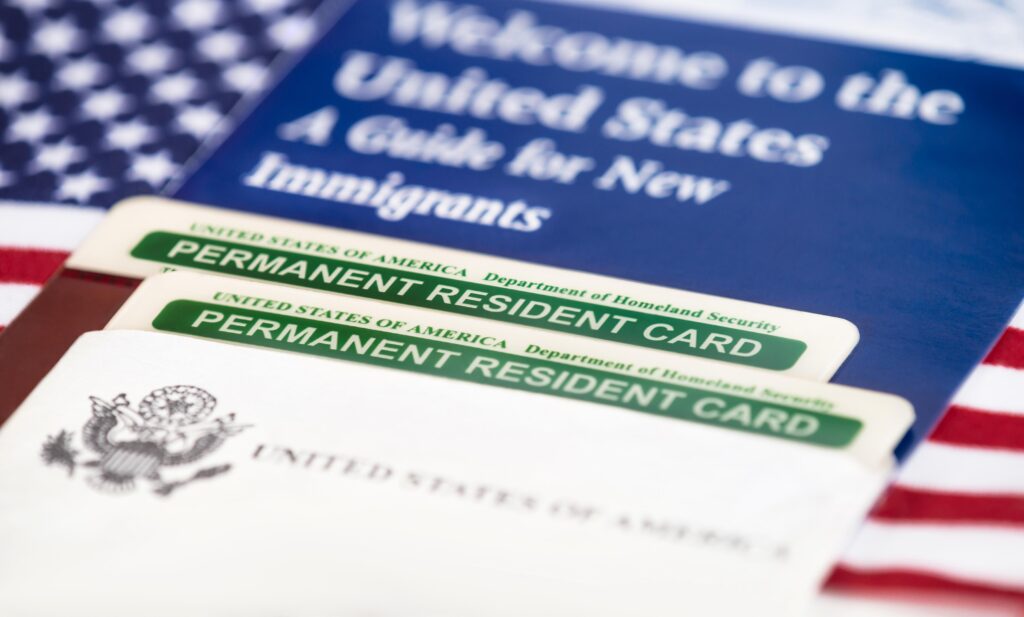
The United States administration softened parts of its controversial green card policy within hours of announcing stricter immigration rules that alarmed thousands of foreign professionals, especially Indian workers waiting for permanent residency.
The US Citizenship and Immigration Services, or USCIS, first introduced a policy that changed how temporary visa holders could seek green cards. The rule pushed many applicants toward consular processing, which meant they would need to leave the US and complete their green card process from their home country through an American embassy or consulate.
However, the agency later added two major exceptions after criticism from immigration lawyers, industry groups and foreign workers. USCIS said applicants who provide an “economic benefit” or serve the “national interest” may continue their process from inside the United States.
The agency did not clearly explain who qualifies under those categories. That uncertainty now leaves many workers in confusion despite the partial relief.
USCIS spokesperson Zach Kahler said the agency wants to restore what it described as the original intent of immigration law. He added that officials may still allow some applicants to continue their adjustment process inside the country based on individual circumstances.
The earlier policy shift sparked concern because many skilled workers rely on adjustment of status applications while living and working in the US legally. For years, professionals on H-1B visas and other temporary permits could apply for permanent residency without leaving the country.
The new direction changed that approach sharply. Officials instructed immigration officers to treat overseas consular processing as the default path instead of approving applications from inside the US.
The decision hit Indian professionals particularly hard because thousands already face massive waiting periods in employment-based green card categories such as EB-2 and EB-3. Many applicants spend over a decade waiting for visa availability due to annual country caps and backlogs.
At Indian neighbourhoods in cities like Fremont, Edison and Dallas, immigration consultants and lawyers reported a flood of calls after the announcement. Families worried about job security, children’s education and long-term settlement plans.
A software engineer from Hyderabad who works in California said the uncertainty created panic among many Indian employees in the tech sector. He explained that several workers feared sudden travel requirements could disrupt careers and family life in the US.
Immigration attorneys also raised concerns about the lack of clarity. Lawyers said applicants now face a more uncertain system because the government introduced broad discretionary terms without defining eligibility standards.
Some experts believe the administration wants tighter scrutiny over green card approvals while still keeping flexibility for sectors that depend heavily on skilled foreign workers. Technology, healthcare and research industries continue to rely on international talent, especially from India and China.
The latest development also reflects the political pressure surrounding immigration in the United States ahead of major national debates on border control, labour shortages and visa reform. Immigration policy remains a sensitive issue as businesses push for easier access to skilled workers while political groups demand stricter enforcement.
Indian nationals form one of the largest groups in the US employment visa system. Many arrive through the H-1B route and later apply for permanent residency. Yet country-specific caps often trap applicants in years-long queues despite stable jobs and legal status.
For now, the revised language from USCIS offers temporary reassurance to many foreign workers. Still, confusion continues because the agency has not released detailed guidelines about who qualifies under “national interest” or “economic benefit” grounds.
As a result, immigration lawyers expect fresh legal consultations, cautious filing strategies and growing anxiety among skilled professionals who continue to wait for long-delayed green cards.