PM Modi marks 1 year of Operation Sindoor, reaffirms India’s anti-terror resolve
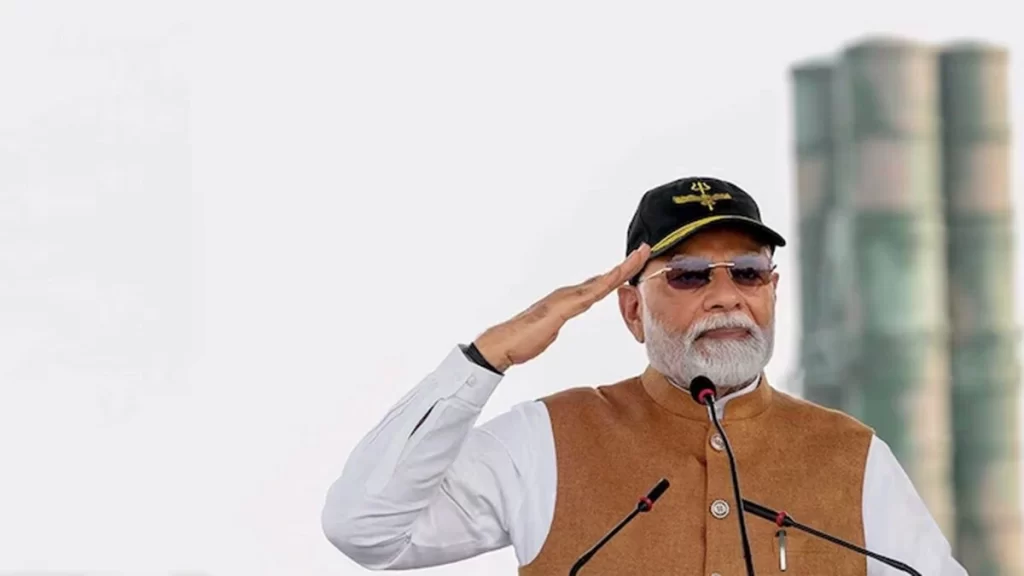
Prime Minister Narendra Modi on Wednesday marked the first anniversary of Operation Sindoor and said India remains determined to crush terrorism and destroy networks that support it.
His message came exactly one year after India launched a series of precision strikes across Pakistan and Pakistan-occupied Kashmir in response to the deadly Pahalgam terror attack that killed 26 civilians in April 2025.
In a post on X, Modi praised the armed forces for their “courage, precision and resolve” during the military operation. He also said the mission reflected India’s uncompromising stand on national security and cross-border terrorism.
Across several cities, ruling alliance leaders and BJP workers observed the anniversary through public events, social media campaigns and tributes to soldiers. Many senior NDA leaders changed their profile pictures to the Operation Sindoor emblem during the day.
At Delhi’s National War Memorial, visitors paused to remember the victims of the Pahalgam attack and the military response that followed. Some families of security personnel also attended commemorative programmes organised by veterans’ groups.
Operation Sindoor began in the early hours of May 7, 2025. Indian forces launched coordinated air and missile strikes on nine terror camps linked to Jaish-e-Mohammed and Lashkar-e-Taiba. The targets lay across Pakistan and Pakistan-occupied Kashmir.
Government sources at the time said the strikes eliminated nearly 100 terrorists and destroyed key training and operational facilities. The operation triggered several days of military tension between India and Pakistan before both sides stepped back after military-level talks on May 10.
The strikes came after the Pahalgam terror attack shocked the country. Armed terrorists had opened fire on civilians in the tourist region, sparking nationwide anger and renewed calls for strong action against terror groups operating across the border.
In the months that followed, Operation Sindoor became a major reference point in India’s security doctrine. Defence analysts described the mission as one of the most coordinated military responses in recent years. Officials highlighted the role of surveillance systems, missile coordination and real-time intelligence during the operation.
Meanwhile, the Indian armed forces accelerated efforts to modernise combat capabilities after the mission. The military increased investments in drones, missile defence systems, surveillance platforms and artificial intelligence-driven warfare tools. Defence planners also pushed faster integration among the Army, Navy and Air Force.
On the ground, many residents in border districts still recall the tense atmosphere from last year. Villagers near forward areas in Jammu and Kashmir had prepared bunkers and emergency supplies as fears of escalation grew during the four-day standoff.
However, many locals now view the anniversary as a reminder of India’s tougher security posture. Several residents in border regions said the operation boosted confidence in the armed forces and demonstrated India’s willingness to respond directly to terror attacks.
Political reactions also surfaced through the day. BJP leaders called Operation Sindoor a symbol of decisive leadership, while opposition parties largely backed the armed forces and paid tribute to soldiers involved in the mission.
During the original operation last year, Prime Minister Modi had declared that India would not bow to “nuclear blackmail” or tolerate cross-border terrorism. One year later, the government continues to project Operation Sindoor as a turning point in India’s counter-terror strategy.
As the anniversary concluded, the Prime Minister again underlined that India would continue its fight against terrorism with full determination and national unity.