Centre moves to fast-track Women’s quota, plans to break link with census and delimitation
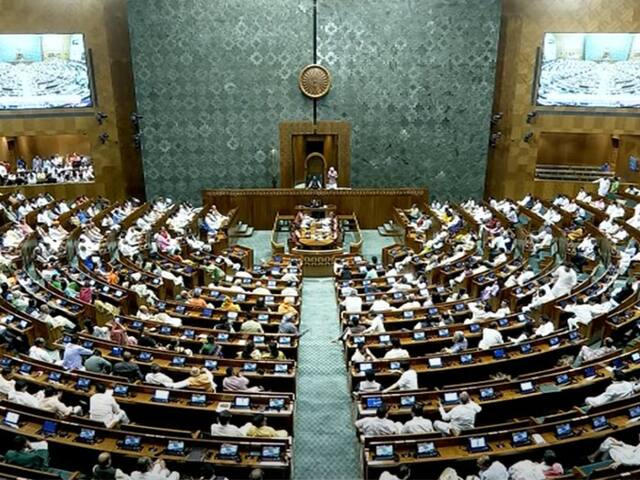
New Delhi: The Union government has stepped up efforts to roll out women’s reservation in legislatures without further delay. It has now shifted strategy. Instead of waiting for the census and delimitation, it plans to delink the quota from both processes. As a result, it may introduce a key amendment in Parliament within days.
To begin with, officials say the move aims to cut procedural delays. The current law ties implementation to fresh population data and constituency redrawing. However, both exercises have faced delays. Therefore, the government now wants a parallel route to activate the quota sooner.
At the same time, the proposal carries a major structural change. The government may expand the strength of the Lok Sabha from 543 to around 816 seats. Out of these, nearly one-third, or about 273 seats, may go to women. Yet, the share of each state will remain unchanged in percentage terms. This approach, officials argue, protects the federal balance.
For example, Uttar Pradesh currently sends 80 members to Parliament. Under the expanded House, it may send about 120. Similarly, Tamil Nadu may see its seats rise from 39 to nearly 59. In both cases, the proportional share stays intact. Thus, the government seeks to avoid fresh disputes over regional representation.
Meanwhile, the political timing appears significant. Several opposition parties had earlier demanded immediate implementation of the women’s quota law passed in 2023. Consequently, the proposed amendment could attract wider support. Early signals suggest that many parties may not oppose a faster rollout, even if they differ on details.
However, the government has not abandoned delimitation altogether. Instead, it plans to run the process separately. According to inputs from allies, authorities may set up a delimitation commission by June. This body will redraw constituencies in due course. The government still targets the 2029 general election for full implementation.
To understand the shift, one must look at the background. India froze delimitation in 2002 until after the first census post-2026. The next exercise was expected after a new census cycle, likely around 2027. However, delays in conducting the census disrupted this timeline. As a result, the women’s quota also risked getting pushed further.
In addition, regional concerns complicated the issue. Southern states such as Kerala and Tamil Nadu have long argued that population-based redistribution may hurt them. They have controlled population growth more effectively over decades. On the other hand, states like Bihar and Uttar Pradesh have larger populations and could gain seats. Therefore, any direct link between census data and seat allocation has triggered political resistance.
Now, by separating women’s reservation from these processes, the Centre tries to sidestep this conflict. Even so, questions remain. Critics point out that equalising state shares without fresh population data could distort vote value. For instance, a vote in a southern state may carry relatively higher weight than one in a northern state.
Alongside policy work, the government has intensified political outreach. Union Home Minister Amit Shah has already met floor leaders and key allies. He has also held discussions with several regional parties. Through these meetings, the Centre aims to build consensus before tabling the amendment.
In parallel, Parliament’s ongoing session may extend into the weekend. Officials link this extension to pending legislative work, including the proposed bill. The government wants to secure enough support before it moves ahead. After all, any constitutional amendment requires a two-thirds majority.
On the other side, the opposition has adopted a cautious stance. Leaders met under Mallikarjun Kharge to review the situation. They have demanded a detailed draft before taking a position. They also plan to push for an all-party meeting. In short, they seek clarity before committing support.
Beyond politics, operational details also remain under discussion. Sources indicate that authorities may allocate reserved seats through a lottery system. In this model, every third constituency could go to women. However, officials have not clarified whether these seats will rotate over time.
Importantly, the proposal also includes social representation. One-third of seats reserved for Scheduled Castes and Scheduled Tribes may go to women from these communities. At the same time, the government does not plan to use caste census data for this allocation. Officials say such data could complicate the process.
Furthermore, the Centre argues that time constraints drive this decision. Census and delimitation may continue until close to 2029. Waiting for their completion would delay women’s representation further. Therefore, the government prefers immediate action through legal adjustment.
Looking ahead, the amendment could also reshape state assemblies. If Parliament clears the proposal, states may expand their assemblies on similar lines. For instance, Uttar Pradesh could see its assembly grow from 403 to over 600 seats. Likewise, Uttarakhand may increase its strength from 70 to over 100. In both cases, one-third seats would go to women.
In conclusion, the Centre has chosen speed over sequence. It wants to deliver women’s reservation without waiting for complex exercises. Yet, the plan still faces legal, political, and federal questions. As Parliament prepares for the next move, the coming days will decide whether consensus holds or fresh debate unfolds.