India, US move closer to trade pact as American team plans Delhi visit
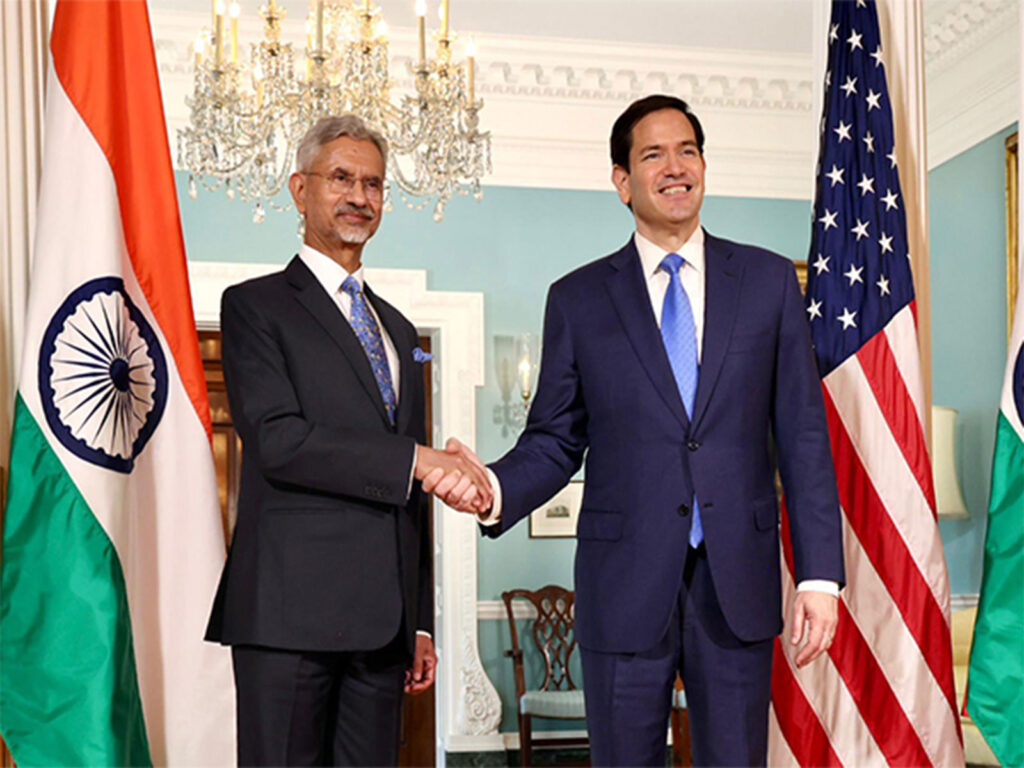
India and the United States have stepped up efforts to close an interim trade agreement, with both sides now preparing for another round of high-level discussions in New Delhi. External Affairs Minister S. Jaishankar and US Secretary of State Marco Rubio confirmed that negotiators continue to work toward an understanding that protects the economic interests of both countries.
The latest push comes months after Prime Minister Narendra Modi and US President Donald Trump announced plans for a broader economic partnership during talks in Washington earlier this year. Since then, officials from both governments have held multiple meetings despite global distractions such as the conflict in West Asia and growing uncertainty in international trade.
Speaking after discussions with Rubio, Jaishankar stressed the need for an early conclusion of the interim pact. He said Indian officials recently visited Washington and now expect an American delegation to arrive in Delhi soon to continue negotiations. According to him, the proposed agreement can lay the foundation for a larger and long-term bilateral trade framework.
Rubio also expressed confidence over the direction of the talks. He said both countries have already made significant progress and now stand close to a sustainable arrangement that can support industries, investments and supply chains on both sides.
The negotiations gained importance after tensions emerged over tariff policies introduced by the Trump administration. Washington imposed heavy duties on several imports, including Indian exports, as part of its broader strategy to reduce trade imbalances and strengthen domestic manufacturing. Those measures created concern among Indian exporters, especially in sectors linked to engineering goods, textiles and industrial supplies.
However, US officials now appear keen to prevent those differences from affecting the larger strategic partnership. Rubio argued that the tariff measures targeted global trade restructuring rather than any one country specifically. He added that the US wants fairer arrangements with all major trading partners, including India.
On the ground, Indian exporters and business groups continue to watch the talks closely. Traders in Delhi’s industrial hubs said clarity on tariffs and market access could improve confidence among manufacturers who depend on American buyers. Exporters dealing in auto components, chemicals and technology products also expect smoother trade conditions if both sides finalise an interim understanding soon.
Apart from trade, the two countries discussed cooperation in artificial intelligence, semiconductors and critical minerals. Rubio highlighted India’s growing role in secure technology supply chains and pointed to rising investments by Indian firms in the US market. Jaishankar also encouraged Indian technology companies to explore deeper partnerships with American businesses as India expands its AI and semiconductor capabilities.
Energy security emerged as another major subject during the discussions. Jaishankar underlined India’s responsibility to ensure affordable and stable energy access for its population of over 1.4 billion people. He also supported diversified energy imports to strengthen long-term security.
The two leaders further reviewed opportunities in nuclear cooperation. Indian officials believe recent policy developments could open fresh doors for collaboration in the sector.
Even though both governments avoided giving a final deadline for the agreement, officials on both sides signalled that negotiations now move into a more decisive phase.