Fuel prices jump again: Petrol crosses ₹102 in Delhi, touches ₹111 in Mumbai
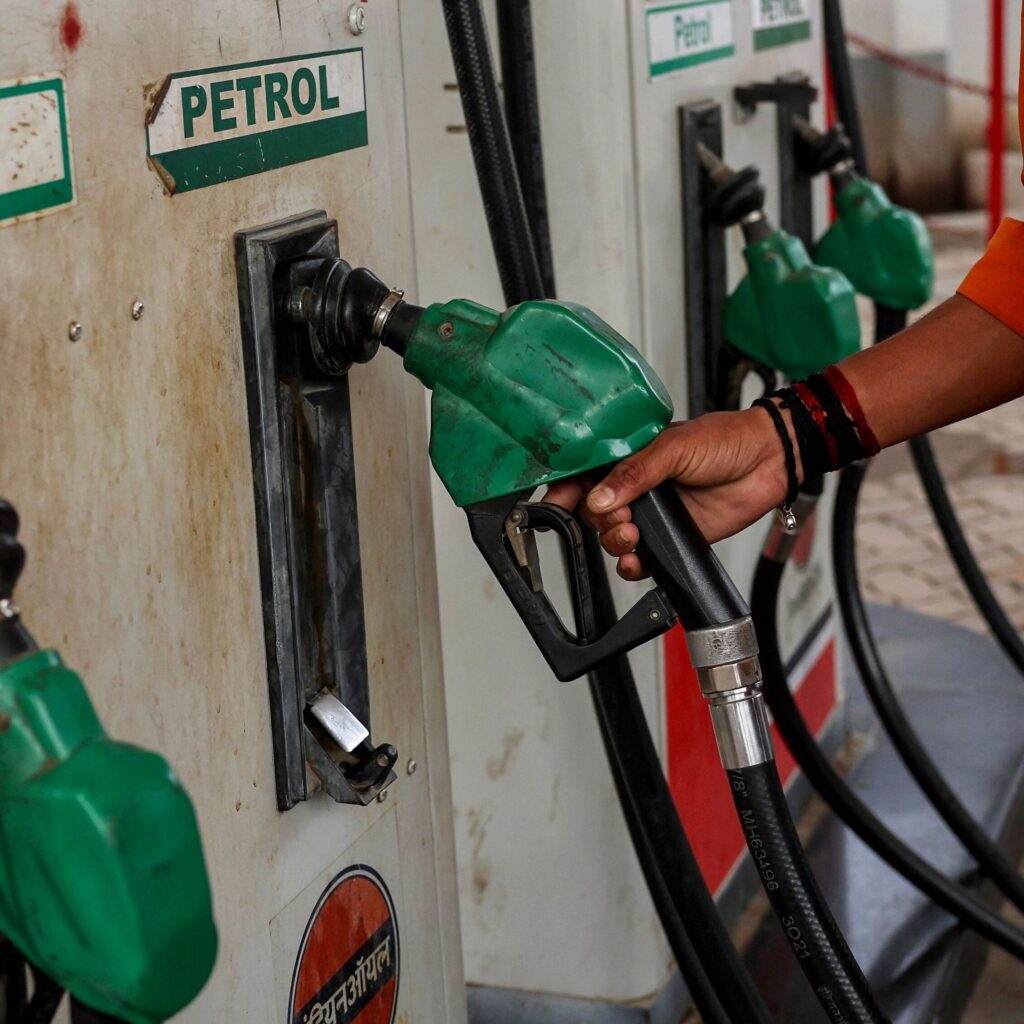
Indian consumers woke up to another sharp jump in fuel prices on Monday as oil companies raised petrol and diesel rates for the fourth time this month. The latest revision pushed petrol prices in Delhi beyond the ₹100 mark once again, while rates in Mumbai and Kolkata moved even higher, adding fresh pressure on household budgets and transport costs.
Petrol in Delhi now sells at ₹102.12 per litre, while diesel costs ₹95.20. In Mumbai, petrol prices climbed to ₹111.21 per litre and diesel touched ₹97.83. Kolkata and Chennai also recorded steep increases as fuel retailers continued to adjust rates in line with rising global crude prices.
The hike arrived at a time when international energy markets continue to face uncertainty. Traders across Asia and the Middle East closely watch the situation around the Strait of Hormuz, one of the world’s busiest oil routes. At the same time, negotiations between the United States and Iran continue without a clear outcome. As a result, crude prices remain volatile, and importing countries like India feel the pressure almost immediately.
Oil marketing companies increased petrol prices by around ₹2.61 per litre and diesel by nearly ₹2.71 in most cities. Since daily revisions resumed in mid-May, fuel prices have risen by nearly ₹7.5 per litre overall. Earlier this month, companies first announced a major hike of ₹3 per litre. A second revision followed within days, and another increase came over the weekend before Monday’s jump.
The latest revision also marks a symbolic moment for consumers in the national capital. Petrol prices in Delhi crossed ₹100 per litre for the first time in nearly four years. Many residents expressed concern over the growing burden on daily expenses, especially those who rely on private vehicles for work and travel.
At several fuel stations across Delhi-NCR, commuters discussed the impact openly. Cab drivers, delivery workers and office commuters said rising fuel costs directly affect monthly savings. Some motorists reduced full-tank refills and instead purchased fuel in smaller amounts to manage expenses.
A delivery executive in East Delhi said transport workers face the biggest challenge because earnings do not rise as quickly as fuel prices. Auto-rickshaw drivers also pointed to higher maintenance and operating costs. Many believe transport fares could rise if fuel rates continue moving upward through the month.
Small business owners have also started calculating the indirect impact. Grocery suppliers, vegetable vendors and logistics operators expect transportation charges to increase soon. Market associations in parts of Delhi and Mumbai warned that rising fuel costs may eventually push up prices of essential goods.
Meanwhile, political reactions have intensified. Government officials defended the revisions and linked them to international market conditions. They argued that global crude disruptions leave little room for price stability. Opposition leaders, however, accused authorities of delaying earlier revisions during the election season and shifting the burden to consumers afterward.
Fuel prices had largely remained stable for almost two years, except for a brief reduction before the national elections in 2024. During that period, consumers saw a ₹2 cut per litre. However, fresh geopolitical tensions and stronger crude prices have now reversed much of that relief.
Experts believe the coming weeks may remain difficult for fuel consumers if crude oil prices stay elevated globally. Any further disruption in supply routes or delays in diplomatic talks could increase pressure on oil-importing nations, including India.
For now, motorists across major Indian cities continue to pay the highest fuel prices seen since 2022, while families and businesses prepare for another round of rising daily expenses.