Dermatologist flags 4 everyday chemicals that may quietly damage your hair
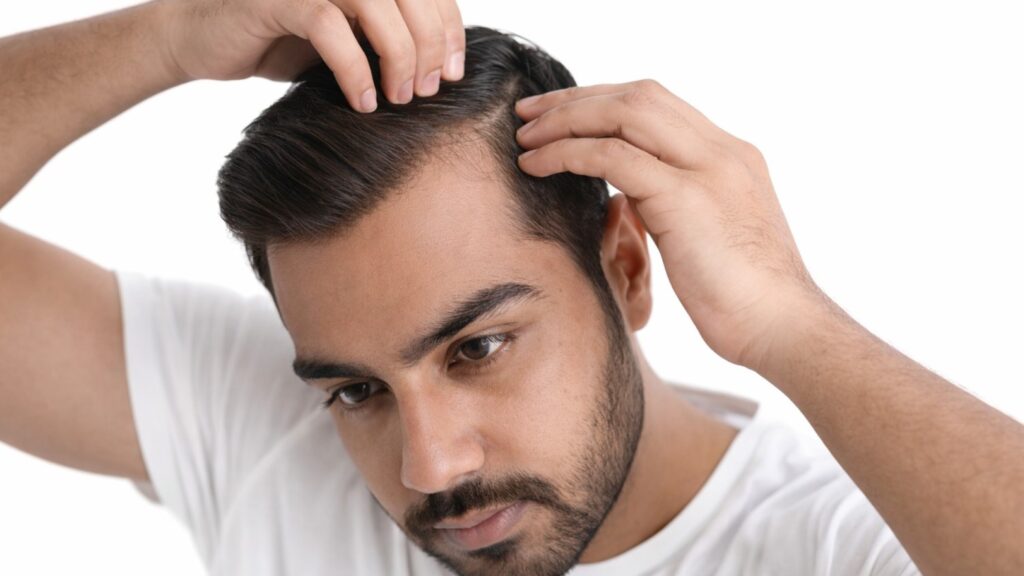
Many people blame pollution, stress and poor diet for hair fall and rough texture. However, dermatologists now warn that hidden chemicals in daily products and water may also damage hair without immediate warning signs.
According to Dr Meenu Malik, several commonly used substances slowly weaken hair strands, dry the scalp and increase breakage over time. She pointed to chlorine, fluoride, certain alcohols and sodium lauryl sulphate as major triggers behind long-term hair damage.
Across cities, salon owners and hair-care professionals say more customers now complain about brittle hair, scalp irritation and sudden frizz. In Delhi, several salon workers noted that younger clients increasingly seek treatments for dryness and thinning despite regular grooming routines.
Dermatologists believe environmental exposure and chemical-heavy products play a major role in that trend.
Chlorine, widely present in swimming pools and treated water, often strips away natural oils from the scalp. As a result, hair loses moisture and becomes rough. Experts also say chlorine exposure may fade natural hair colour and increase split ends, especially among frequent swimmers.
Fluoride can create another problem. Excess exposure may dry the scalp and weaken hair follicles. Doctors say prolonged dryness often leads to irritation, itching and slower hair growth.
Meanwhile, alcohol in styling products also raises concern. Experts clarify that not every alcohol harms hair. Fat-based alcohols derived from natural oils usually support conditioning and softness. However, short-chain alcohols found in sprays and styling products often remove moisture from the hair shaft. Consequently, hair becomes fragile and dull after repeated use.
Sodium lauryl sulphate, commonly known as SLS, remains one of the most widely discussed ingredients in shampoos. Manufacturers use it to create foam and deep cleansing action. Yet dermatologists warn that harsh sulphates can strip away essential oils from both the scalp and hair.
Once that protective layer disappears, hair often turns dry, frizzy and difficult to manage. In some cases, people also report irritation and increased hair shedding.
In local markets, many shoppers now spend more time checking ingredient labels before buying shampoos and conditioners. Cosmetic retailers say customers increasingly ask for sulphate-free and alcohol-free products as awareness around hair health grows.
Hair specialists suggest simple preventive steps instead of expensive treatments. Experts recommend washing hair with clean water before and after swimming to reduce chlorine exposure. Leave-in conditioners and hydrating masks may also help restore moisture balance.
Doctors further advise people to choose mild shampoos with nourishing ingredients instead of harsh cleansers. Clarifying shampoos can help remove chemical buildup occasionally, but overuse may worsen dryness.
Protective habits also matter. Dermatologists encourage people to cover hair with scarves, hats or swimming caps in high-exposure environments. They also recommend reducing heat styling and limiting frequent chemical treatments.
Experts say early warning signs should never go unnoticed. Dry texture, excessive breakage, split ends, scalp redness and unusual frizz often indicate underlying chemical stress. Changes in natural hair texture may also signal damage developing beneath the surface.
In many cases, timely changes in hair-care habits can reverse mild damage before the condition worsens. Therefore, dermatologists urge people to focus not only on external appearance but also on ingredient safety and scalp health.
As awareness grows, consumers now increasingly treat hair care as part of overall wellness rather than just cosmetic maintenance.