Accused Dharamshala professor says he will accept punishment if courts prove his guilt
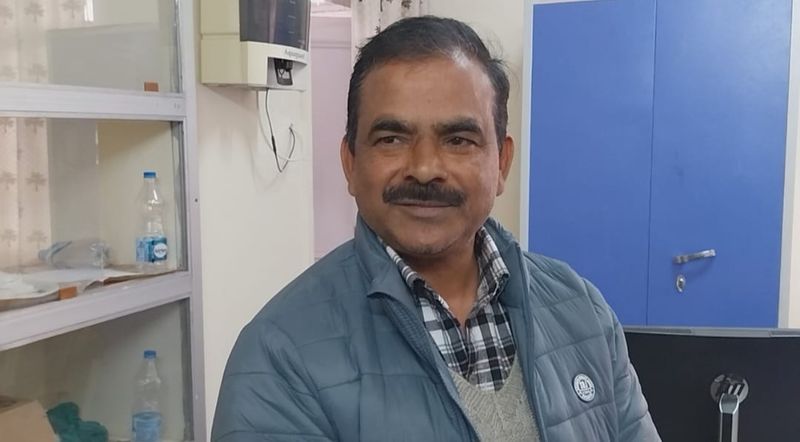
Calls for justice grow in Dharamshala. A 19-year-old student died after days of treatment in Ludhiana. Her family alleges ragging, sexual harassment, and caste-based abuse. They filed a complaint against three girls and Assistant Professor Ashok Kumar. The case now dominates public discussion across Himachal Pradesh.
First, the government moved fast. Officials suspended Kumar and opened multiple inquiries. The action signaled urgency. At the same time, a Dharamshala court granted him anticipatory bail. The court directed him to join the investigation and cooperate fully. Police teams started interviews, collected statements, and reviewed digital evidence.
Meanwhile, Kumar addressed reporters. He rejected every allegation. He said he taught the girl in the previous semester. He said another teacher handled her classes this semester. He claimed no link to the alleged harassment. Still, he acknowledged the gravity of the moment. He said, “If authorities prove my guilt, I will face the consequences.” He also spoke about his long career and his shock at the accusations.
Then another video changed the mood. A clip, reportedly recorded by the student, spread across social media. The girl accused the professor of indecent acts, mental pressure, and threats. Her words fueled anger on campuses. Students marched. Parents demanded accountability.
Next, the government created a four-member inquiry panel. Senior officials began a preliminary review. They set a three-day deadline for the first report. Education Minister Rohit Thakur promised strict action against every guilty person. He said the police investigation will continue alongside the academic probe.
The University Grants Commission stepped in as well. UGC officials formed a separate fact-finding team. The panel will assess the college environment, the conduct of its staff, and any systemic failures. Authorities want clarity, not confusion.
Meanwhile, new details emerged from the college. Principal Rakesh Pathania explained the student’s academic status. She enrolled as a first-year candidate. Later, she attended a few second-year classes. However, exam results showed three failed subjects. College rules required her to repeat the year. According to the principal, she did not complete that process. He said the college learned about the case only when police arrived. He emphasized full cooperation with investigators.
However, the central issue remains simple. A young woman died. Her final days raised disturbing questions. Her family wants justice. Her classmates want safety. The government wants accountability.
Now, investigators review every statement and every message. Senior officials track every development. Activists watch closely. The professor says he will accept punishment if authorities prove his guilt. He also demands fairness and due process.
In the end, the case tests the system. Can institutions protect students? Can inquiries deliver truth without delay? Can leaders ensure discipline while respecting the law? The answers will shape trust on campuses across the state. For now, one reality stands: the tragedy in Dharamshala demands clarity, compassion, and credible action — without excuses, and without intimidation.