Perp walk in New York: Inside the seizure of Nicolas Maduro and the battle over Venezuela’s future
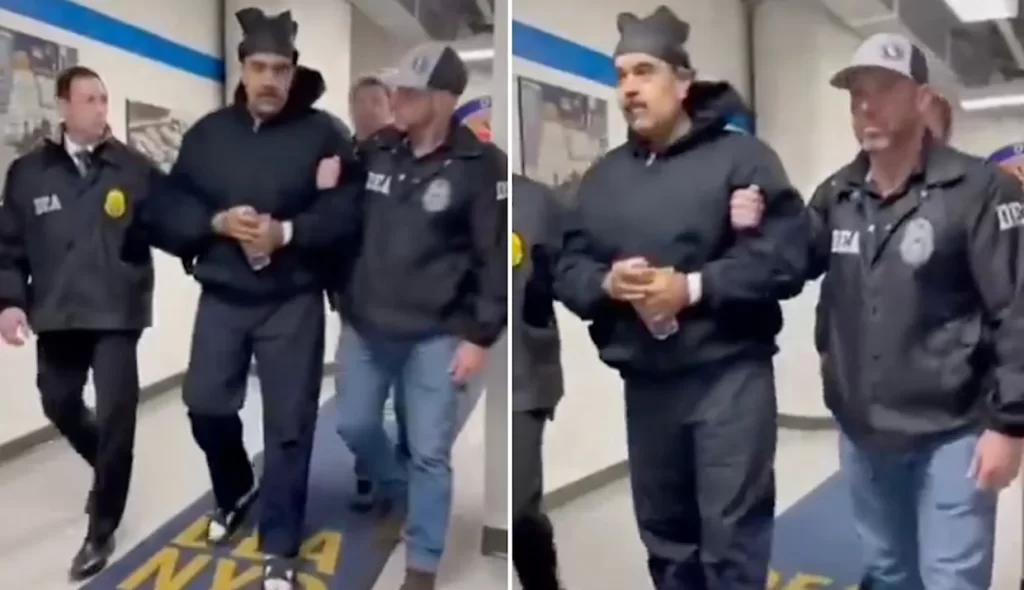
U.S. officials released startling footage on Sunday. The video shows Nicolas Maduro in handcuffs at the DEA headquarters in New York. Soldiers escort him through a stark hallway. Cameras track every step. The moment signals a new chapter for Venezuela and the United States alike.
Earlier, U.S. forces launched a fast and coordinated operation inside Venezuela. They called the mission “Absolute Resolve.” Commanders rehearsed the plan for months. Then they struck. Troops moved quickly. They surrounded Maduro. They seized him. They also took his wife into custody. Within hours, they ended his control over Caracas.
After the capture, American aircraft lifted off with the couple on board. Pilots flew directly to New York. Agents transferred them into federal custody. Prosecutors now prepare criminal charges tied to an earlier indictment. The case accuses Maduro of driving a narco-terror conspiracy. Officials say the evidence runs deep.
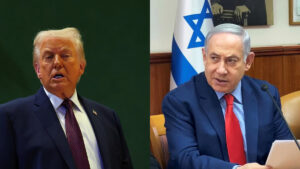
Meanwhile, President Donald Trump addressed reporters in Washington. He spoke bluntly about the stakes. He said the United States will manage Venezuela during a transition. He promised order. He also pointed to the nation’s vast oil reserves. According to Trump, U.S. planners will sell large quantities to stabilize the situation and fund relief. “We will run the country until we secure a safe and proper transition,” he said.
However, power in Caracas did not stand still. Venezuela’s Supreme Court met within hours. Judges turned to the Constitution. They directed Vice President Delcy Rodriguez to take the role of acting president. The court said the move would keep the government functioning. Leaders in the capital framed the step as protection of sovereignty. They argued that the state must continue regardless of crisis.
Now, two rival claims to authority set the tone. Washington speaks of order and transition. Caracas speaks of continuity and national defense. The clash creates uncertainty across the region. Investors watch the oil market. Neighboring governments weigh the fallout. Millions of Venezuelans wait for answers on food, jobs, and safety.
Meanwhile, U.S. officials describe the operation with confidence. They say the mission unfolded in under thirty minutes. They credit planning, secrecy, and coordination. They also emphasize support from partners across Latin America. According to briefings, the window for action opened briefly. U.S. leaders decided to move at once.
Then the “perp walk” footage arrived. The images cut through political argument. Maduro walks in cuffs. Agents stand on each side. The hall grows quiet. For critics of his rule, the scene looks like justice. For his supporters, the scene signals foreign control. Therefore, the video fuels intense debate both inside and outside Venezuela.
Looking ahead, the Justice Department prepares courtroom battles. Diplomats prepare negotiations. Military planners remain alert. And citizens inside Venezuela face another turning point. The story now shifts to whether any transition can bring stability, restore institutions, and rebuild trust.
For now, one fact stands clear: the capture of Nicolas Maduro reshaped the map of power in the Americas. The next moves — in courts, in capitals, and on the streets — will decide what follows.