Bengal votes in high-stakes TMC–BJP face-off; Tamil Nadu braces for 3 way contest
Voters step out early as polling begins across two politically crucial states. Then, long queues form outside booths in rural belts and urban pockets alike. As a result, both West Bengal and Tamil Nadu record brisk turnout in the opening hours, setting the tone for a high-stakes electoral day.
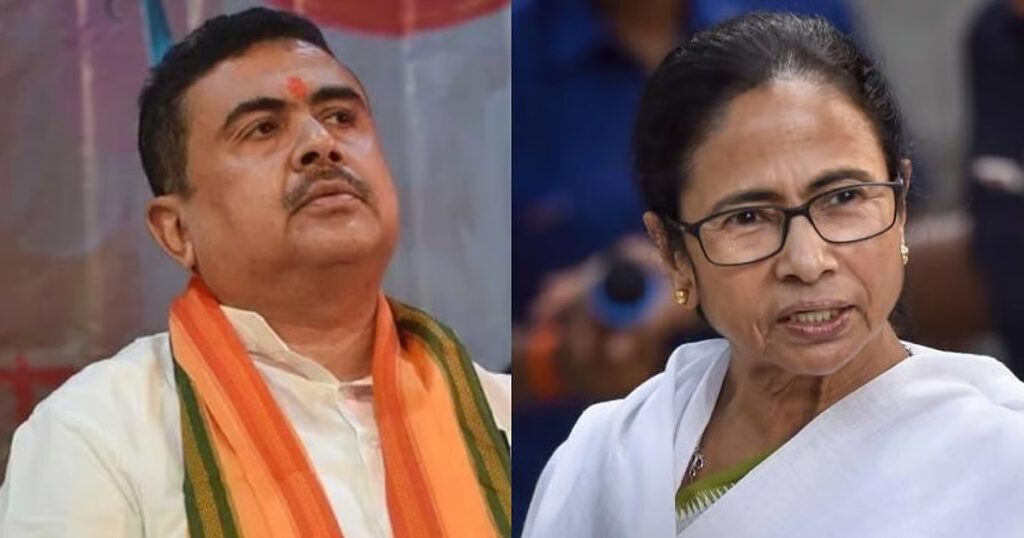
In West Bengal, polling starts at 7 am across 152 constituencies in phase one. The contest quickly sharpens into a direct face-off. On one side, Mamata Banerjee leads the Trinamool Congress with a campaign rooted in welfare and regional identity. On the other, Narendra Modi and Amit Shah drive the BJP’s aggressive push with themes of nationalism and governance.
Meanwhile, early turnout reaches nearly 19 percent by 9 am among crores of voters. On the ground, polling agents report steady participation from women and first-time voters. In districts like Jungle Mahal and North Bengal, voters highlight roads, jobs, and welfare delivery as key concerns. Many women voters say direct cash schemes influence their choice, while younger voters focus on employment and migration.
The BJP presses hard with promises and sharp messaging. It raises concerns over infiltration, corruption, and administrative failures. In response, the TMC counters with welfare delivery and identity politics. It questions the Special Intensive Revision of voter rolls and alleges large-scale deletions. This issue shapes conversations at booths, especially among families who claim uncertainty over voter status.
At the same time, both parties target women voters with direct financial support promises. The BJP pitches a higher monthly aid, while the TMC highlights its existing schemes. This competition adds a new layer to voter mobilisation, especially in rural areas.
In the background, the Left Front attempts a revival. It focuses on tea garden workers and youth. Its campaign quietly builds in pockets where the BJP expanded in recent years. Though it lacks the same visibility, it aims to disrupt margins in closely fought seats.
Key battles draw attention. In Nandigram, Suvendu Adhikari seeks to defend a symbolic victory from 2021. In Berhampore, Adhir Ranjan Chowdhury returns to state politics, adding weight to the contest.
Meanwhile, Tamil Nadu presents a different picture. Here, all 234 seats vote in a single phase. The fight turns triangular. M. K. Stalin leads the DMK with a governance-focused pitch. In contrast, Edappadi K. Palaniswami attempts a comeback with recalibrated alliances. At the same time, actor-turned-politician Vijay enters the fray with his party, drawing crowds and curiosity.
On the ground, Tamil Nadu records steady early turnout. Urban centres show organised voting, while rural belts report consistent participation. Voters discuss price rise, welfare delivery, and state rights. Young voters, especially in cities, show interest in new political alternatives.
The DMK frames the election as a verdict on its governance. It highlights welfare schemes and federal autonomy. The AIADMK focuses on rebuilding its base after internal shifts. It seeks to regain lost ground with targeted outreach. Meanwhile, Vijay’s entry changes campaign dynamics. His rallies attract large youth crowds, and his message positions him as a fresh option beyond traditional Dravidian politics.
Key constituencies remain under watch. Stalin seeks re-election from Kolathur, while his son contests from Chepauk-Thiruvallikeni. Vijay makes his debut from two seats, testing his political pull. Palaniswami contests from his stronghold, aiming to consolidate support.
Both states reflect different political rhythms. Bengal shows a sharp binary contest with intense rivalry. Tamil Nadu reveals a layered battle with a new entrant. As voting progresses, turnout trends and ground sentiment will shape the next phase of this electoral contest.