Xi raises alarm over global order during talks with Putin on Gulf crisis
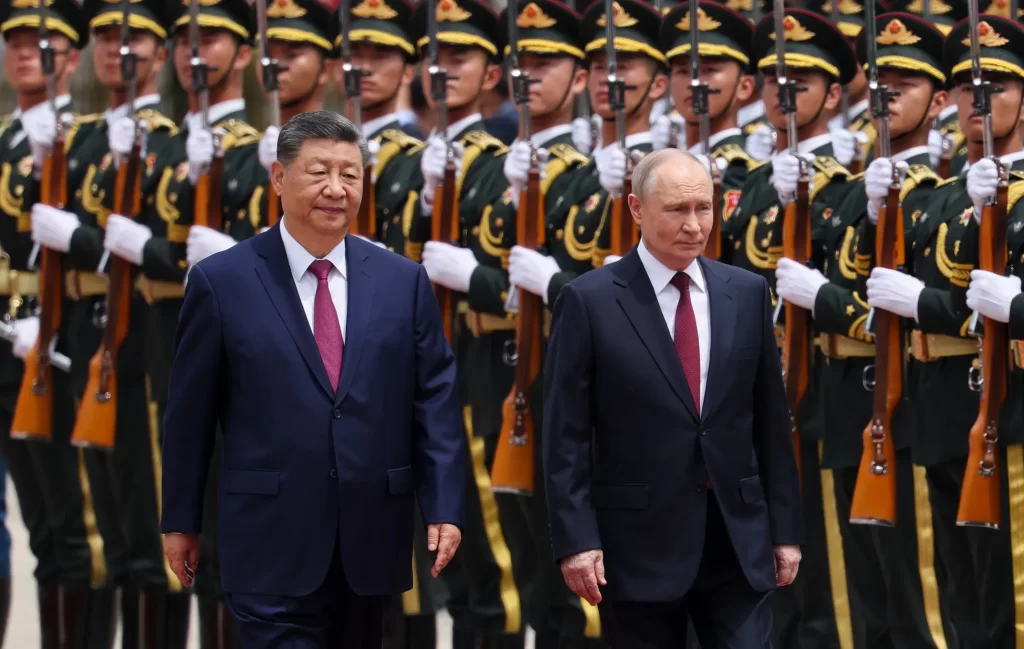
Chinese President Xi Jinping on Wednesday raised fresh concerns over the intensifying Middle East conflict during talks with Russian President Vladimir Putin in Beijing. Xi warned that continued fighting could push the world toward instability and weaken the foundations of global order.
During the high-level meeting, Xi urged all sides to end military action quickly and return to negotiations. He argued that prolonged conflict could damage international trade, threaten energy supplies and deepen geopolitical divisions across regions already facing uncertainty.
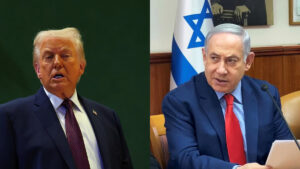
The remarks came as tensions continue to rise in the Gulf following months of military confrontation involving Iran, Israel and the United States. Global markets remain on edge as disruptions near key shipping routes affect oil movement and commercial trade.
At the centre of growing concern stands the Strait of Hormuz, one of the world’s most important energy corridors. Several shipping companies have already rerouted vessels or increased security measures after repeated regional threats and naval activity.
In Beijing, Chinese officials projected urgency rather than confrontation. Xi told Putin that dialogue now matters more than escalation. He also linked the conflict directly to economic risks, saying instability in the Gulf affects fuel prices, transport chains and international commerce far beyond the Middle East.
Across Asian markets, traders and businesses continue monitoring oil movements closely. Rising crude prices have already increased pressure on importing nations, including several economies that rely heavily on Gulf energy supplies. Transport operators, manufacturers and airlines now fear longer disruptions if tensions continue through the summer.
Meanwhile, residents in parts of Asia and Europe also face indirect consequences. Higher fuel costs have slowly affected household budgets, freight charges and commodity prices in multiple countries.
Xi’s comments also arrived days after US President Donald Trump visited Beijing for talks with Chinese leaders. During that meeting, both countries reportedly discussed stability in the Gulf and the importance of keeping maritime trade routes open.
Although Washington and Beijing continue to disagree on several strategic issues, both sides appear concerned about the risk of wider economic damage from the conflict. Chinese officials, however, avoided direct public statements on Iran’s nuclear issue and instead focused on regional stability and uninterrupted trade.
At the same time, Xi used the meeting to strengthen political coordination with Moscow. China and Russia have maintained close diplomatic communication throughout the Middle East crisis. Both governments continue criticising Western military involvement while calling for negotiations and restraint.
Putin also invited Xi to visit Russia next year as both countries push deeper cooperation on trade, energy and global governance. Analysts view the Beijing talks as another sign of expanding coordination between the two powers during a period of growing global tension.
China has so far avoided direct involvement in the conflict. Instead, Beijing continues positioning itself as a supporter of diplomacy, trade stability and multilateral engagement. However, Xi’s latest remarks suggest growing anxiety inside China over the long-term consequences of war near major energy routes.
As military tensions continue and global markets remain unsettled, Beijing now appears increasingly focused on preventing further disruption before the crisis spreads beyond the region.