Xi pushes 4-Point Peace Plan as West Asia tensions rise, China signals balanced role
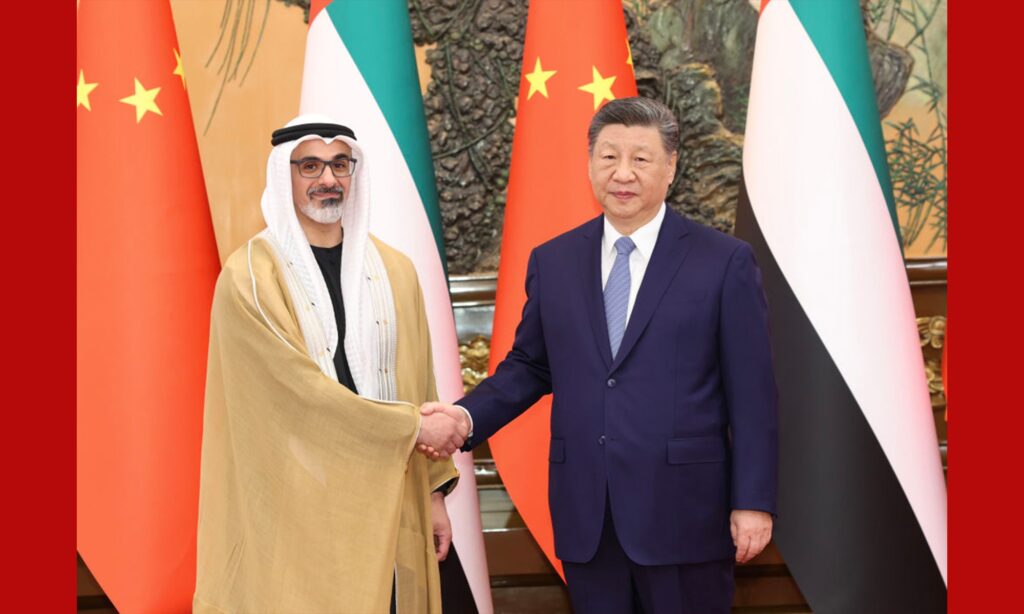
Xi Jinping hosts Sheikh Khaled bin Mohamed bin Zayed Al Nahyan in Beijing. During the meeting, China outlines a four-point proposal to ease tensions in West Asia. The move comes as regional instability grows after failed talks between the United States and Iran.
Next, Xi presents a structured roadmap. He stresses peaceful coexistence among nations. He calls for strict respect for sovereignty. He also links development with security to ensure stability. Finally, he pushes for a strong rules-based global order. He warns against selective use of international law and urges consistency in global conduct.
Meanwhile, the ground situation in the region remains volatile. Iran tightens its stance in the Strait of Hormuz and restricts movement of certain vessels. In response, the United States increases pressure and steps up maritime actions. This standoff disrupts trade routes and raises concerns in global energy markets. Oil-dependent economies watch the situation closely as uncertainty grows.
At the same time, Beijing tries to balance its interests. China maintains strong economic ties with Iran, especially in energy imports. It continues trade links despite Western sanctions. However, it avoids direct military involvement. This approach allows China to project neutrality while protecting its strategic needs.
Further, global observers track China’s next moves. Reports suggest Chinese firms supply technology that may support Iran’s defence capabilities. At the same time, Beijing frames such support as defensive in nature. This stance helps China distinguish its role from that of Vladimir Putin, whose government actively backs Iran with intelligence inputs.
In the background, geopolitical alignments shape the crisis. Iran strengthens ties with Russia and supports it in the Ukraine conflict. In return, Iran relies on China for oil trade and economic lifelines. This triangular dynamic influences decisions across the region and complicates diplomatic efforts.
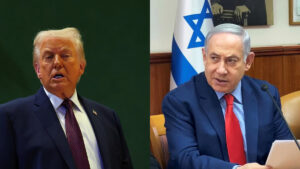
Then, attention shifts to upcoming diplomacy. Xi plans a high-stakes meeting with Donald Trump in Beijing next month. Analysts believe this interaction could influence the trajectory of the crisis. It may also test China’s ability to act as a mediator between competing powers.
Finally, China’s four-point plan positions Beijing as a stabilising voice. It promotes dialogue, legal norms, and balanced growth. However, the real test lies in execution. As tensions persist, the region looks for concrete steps that can prevent escalation and restore stability.