World Thyroid Day 2026: Doctors stress better food choices to support thyroid health
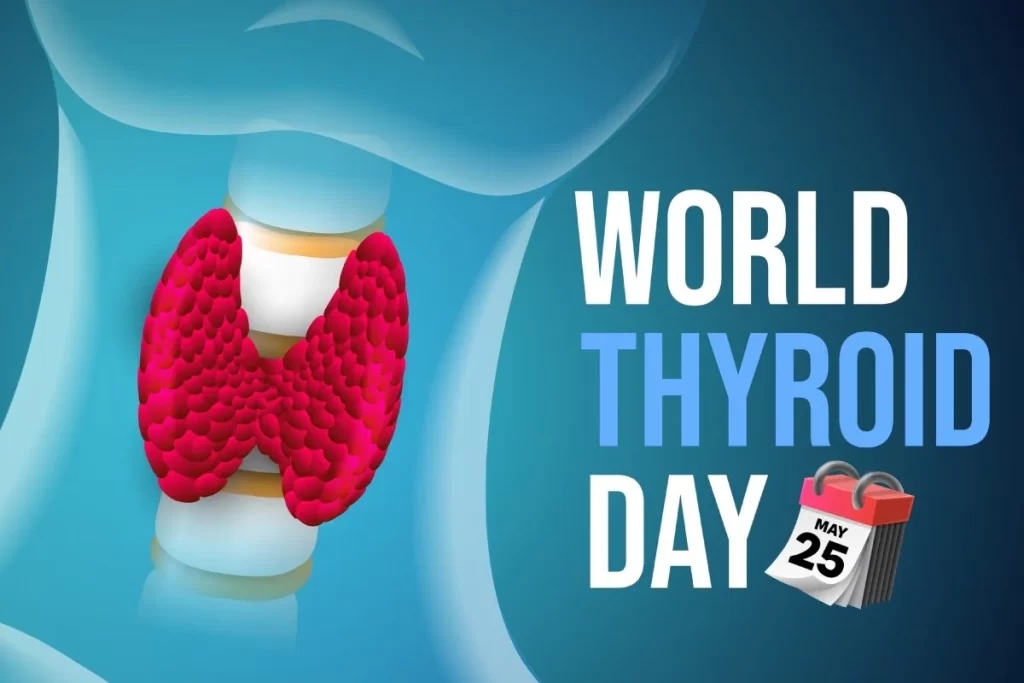
As cases of thyroid disorders continue to rise across India, doctors have urged people to focus on healthier eating habits and regular lifestyle management ahead of World Thyroid Day on May 25. Health experts say daily nutrition plays a major role in maintaining hormone balance and reducing the risk of thyroid-related complications.
The thyroid gland controls metabolism, energy levels and several important body functions through hormone production. When the gland slows down, people develop hypothyroidism, a condition that affects a large number of women in India. On the other hand, excessive hormone production leads to hyperthyroidism, which also creates serious health concerns.
Doctors now report that poor diet habits, stress, irregular sleep and reduced physical activity continue to affect thyroid health in both urban and semi-urban populations.
According to Ramesh Kinha, nutrition remains one of the strongest tools for managing thyroid disorders. He advised people with hypothyroidism to include balanced meals rich in whole foods instead of relying heavily on processed products.
One of the key recommendations involves following a Mediterranean-style diet. Such meals usually include fruits, vegetables, oats, brown rice, seeds, nuts, fish, legumes and healthy oils. Doctors believe these foods help reduce inflammation and support better hormone regulation.
However, experts also warned against consuming excessive amounts of raw cruciferous vegetables like broccoli, cauliflower and radish. These vegetables may interfere with thyroid hormone production when eaten in very high quantities.
Iodine intake also remains important because the body needs the mineral to produce thyroid hormones. Doctors recommend iodised salt, eggs, seafood and dairy products in moderate quantities. At the same time, specialists caution patients against taking unnecessary iodine supplements without medical advice, especially in autoimmune thyroid conditions.
Nutritionists also highlighted the importance of selenium and zinc. Foods such as Brazil nuts, lentils, tuna, pumpkin seeds and oats may support thyroid function when consumed in balanced amounts. Still, doctors warned that excessive intake of supplements may trigger unwanted side effects.
Apart from minerals, vitamins also play a critical role. Health professionals advised people to maintain proper levels of vitamin D, vitamin B12, iron and magnesium through daily meals and sunlight exposure. Fatty fish, eggs, leafy vegetables, nuts, bananas and fortified cereals can help improve nutrient intake naturally.
In several Indian cities, doctors now notice increasing thyroid-related complaints among young professionals and middle-aged women. Many patients report fatigue, sudden weight gain, hair fall and mood changes but delay medical testing. Physicians say regular check-ups help detect hormone imbalance early and prevent long-term complications.
At local clinics and diagnostic centres, awareness campaigns around World Thyroid Day have also encouraged people to undergo routine thyroid screening. Medical experts believe rising work stress, unhealthy food choices and sedentary lifestyles continue to worsen endocrine disorders in the country.
Doctors further advised patients with hypothyroidism to avoid ultra-processed foods because they may increase inflammation and oxidative stress. Meanwhile, people dealing with hyperthyroidism should limit excessive caffeine, soy products and iodine-heavy foods.
Health specialists also emphasised that diet alone cannot manage thyroid disorders completely. Regular exercise, stress control, proper sleep and timely medical consultation remain equally important.
As awareness around thyroid health grows, doctors continue to encourage preventive care and balanced nutrition rather than waiting for symptoms to become severe.