West Bengal Police arrest AIMIM leader Mofakkerul Islam in Malda hostage protest case
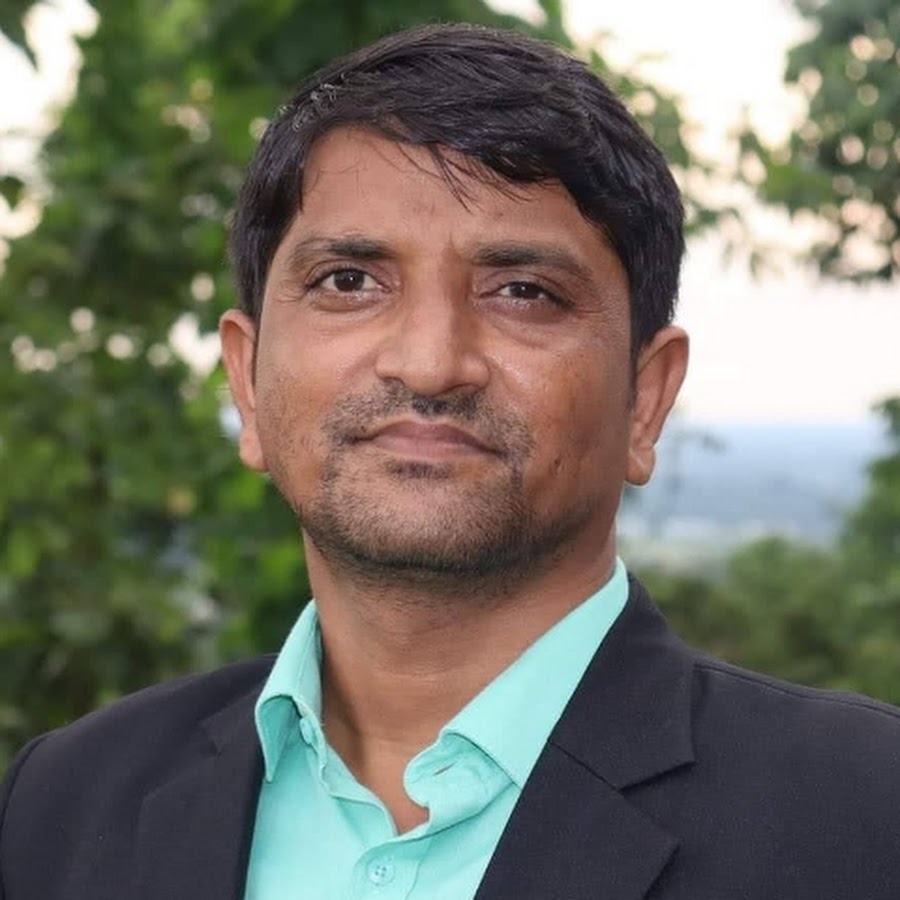
Malda – Tension rose sharply in West Bengal. Soon after, police took swift action. They arrested Mofakkerul Islam and linked him to the Malda protest that spiralled into a hostage crisis. Officers picked him up at Bagdogra Airport as he tried to leave the state. Investigators now describe him as the key planner behind the unrest.
First, protests gathered pace on Wednesday. Demonstrators reached the Kaliachak II Block Development Office. They demanded a meeting with officials handling the Special Intensive Revision process. However, officials did not agree. As a result, tempers rose. By late afternoon, the crowd surrounded the office. Protesters then confined seven judicial officers inside the building. The group also included three women. Notably, a five-year-old child stayed inside with one of the officers.
Next, the situation turned volatile. Protesters held the officers for over nine hours. Meanwhile, police teams prepared a rescue plan. Around midnight, officers moved in. They escorted the officials out under tight security. However, protesters reacted aggressively. They hurled stones at police vehicles. Visuals from the ground showed broken windows and chaotic scenes as vehicles rushed out.
This flashpoint connects directly to the voter list revision drive. The Election Commission launched the Special Intensive Revision ahead of assembly polls. The process triggered controversy. Authorities removed over 63 lakh names from the draft rolls. At the same time, they placed nearly 60 lakh names under scrutiny. Judicial officers took charge of these disputed cases. They had to verify each claim and decide voter eligibility. Consequently, the process drew public attention and political heat.
On the ground, local voices reflected anxiety. Some residents questioned the scale of deletions. Others demanded transparency in verification. Small groups gathered near government offices over the past week. Many people said they feared exclusion from the final rolls. These concerns gradually built pressure. The Malda protest then became the tipping point.
Meanwhile, the matter reached the Supreme Court of India on Thursday. The bench, led by Surya Kant, reacted strongly. Judges criticised the state administration. They called the lapse serious and unacceptable. The bench said the incident challenged the authority of institutions. It also flagged rising political polarisation in the state.
Furthermore, the court issued clear directions. It asked the Election Commission to deploy central forces for protection. It also ordered a central probe. The bench suggested agencies like CBI or NIA for investigation. In addition, it summoned top state officials. It asked the chief secretary, DGP, and district authorities to appear and explain their actions.
At the same time, the court tightened ground protocols. It directed police to restrict entry at the BDO office. It allowed only a limited number of people inside during ongoing verification work. This step aims to prevent further disruption.
Back in Malda, police continued their crackdown. They tracked key suspects and expanded the probe. Officials said they will identify more people involved in the violence. Security presence has increased around sensitive locations. Authorities now aim to restore order and ensure smooth completion of the voter revision process.
In the bigger picture, the episode highlights rising tensions before the elections. It shows how administrative exercises can trigger political reactions. It also underlines the challenge of balancing legal processes with public trust. As the investigation moves forward, all eyes remain on both the court’s next steps and the state’s response.