UK Court backs India, blocks Nirav Modi’s fresh bid to stall extradition
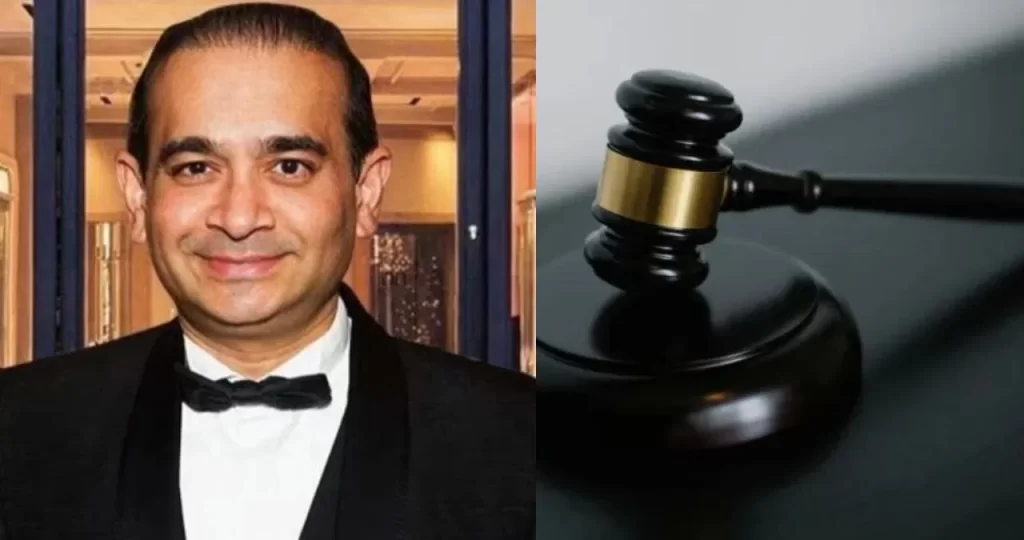
A UK court delivered a decisive ruling on Wednesday. It refused to reopen the extradition case of fugitive diamantaire Nirav Modi. As a result, his latest legal attempt failed.
The High Court in London reviewed the plea and rejected it. The bench, led by Jeremy Stuart-Smith and Robert Jay, said the case lacked “exceptional circumstances.” Therefore, it saw no reason to revisit earlier decisions.
Importantly, the court accepted India’s assurances. It described them as specific and reliable. It also noted that India gave them in good faith and intended them to remain binding.
Ground Angle: Coordinated Push by India Strengthens Case
India built its case with coordination and clarity. The Central Bureau of Investigation took the lead and worked closely with UK authorities.
Officials confirmed that investigators travelled to London for the hearing. Meanwhile, the UK’s Crown Prosecution Service argued the case in court. Advocate Helen Malcolm presented India’s position with precision.
This joint effort strengthened India’s stance. Consequently, the court found no gaps that could justify reopening the case.
Defence Pushes Torture Risk Argument, Cites Earlier Ruling
Modi’s legal team pressed a different line. His counsel, Edward Fitzgerald, argued that India posed risks. He claimed Modi could face interrogation and ill-treatment after extradition.
To support this claim, the defence cited the Sanjay Bhandari case. That earlier ruling flagged concerns about prison conditions and treatment risks in India.
The defence also argued that Modi remains a high-profile target. Therefore, agencies might seek further questioning despite assurances.
Additionally, the team questioned enforcement. It argued that Indian agencies operate independently. Hence, it doubted whether government assurances would bind them fully.
India Responds with Firm Legal Guarantees
India countered every claim with documented assurances. It issued two sovereign commitments through official channels.
First, the Ministry of External Affairs stated that no agency required custodial interrogation. It clarified that cases already stood ready for trial.
Second, the Ministry of Home Affairs reinforced the position. It confirmed that agencies—including CBI, ED, SFIO, DRI, and CBDT—would not interrogate Modi.
India also added a safeguard. If any future need arises, authorities will first seek UK approval.
Further, officials highlighted the “rule of specialty.” Under this rule, India cannot try Modi for offences beyond the extradition request without UK consent.
Court Balances Concerns but Sides with India
The court acknowledged concerns raised in earlier rulings. It noted that the Bhandari judgment painted a troubling picture.
However, the bench focused on current assurances. It ruled that India addressed risks through clear commitments.
The judges stressed that these assurances bind the Indian government and all agencies. They also observed that India did not attempt to dilute or evade them.
Moreover, the court considered broader factors. It looked at strong India-UK relations. It also noted Modi’s access to legal and medical support.
Although the court admitted that no formal monitoring system exists, it still trusted India’s commitments.
Multi-Crore Bank Fraud CaseNirav Modi faces serious fraud charges in India. Authorities accuse him of defrauding Punjab National Bank of over ₹6,000 crore. The total scam, linked to his uncle Mehul Choksi, exceeds ₹13,000 crore.
UK police arrested Modi in March 2019 after India filed an extradition request. Since then, he has remained in custody in the UK.
A London court approved his extradition in February 2021. Later, courts rejected multiple appeals. India also declared him a fugitive economic offender.
Meanwhile, enforcement agencies attached assets worth thousands of crores. They also recovered a portion for affected banks.
What Lies Ahead
This ruling narrows Modi’s legal options further. The court has already rejected earlier appeals. Now, it has refused to reopen the case.
As a result, the extradition path looks clearer. India sees the decision as a major legal breakthrough.
At the same time, experts believe this case may influence future extradition battles. It sets a precedent on how courts treat sovereign assurances.
For now, the message stands clear. The UK court trusts India’s commitments. That trust has shaped the outcome of one of the most closely watched financial crime cases.