Trump weighs high-risk Iran Mission to seize uranium stockpile
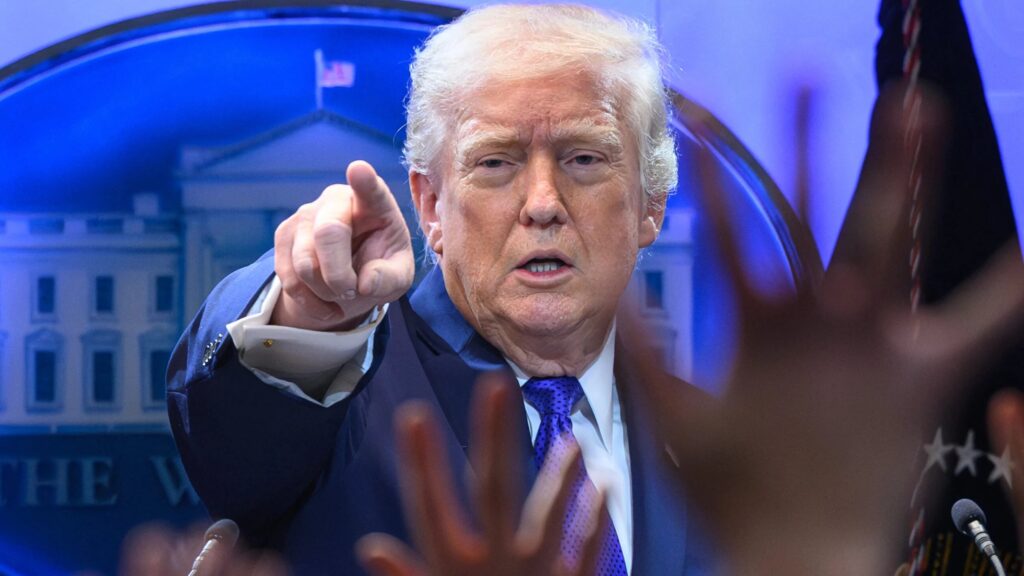
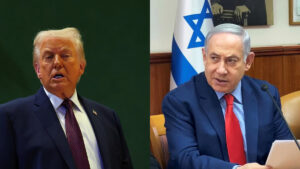
Washington – Donald Trump is weighing a high-risk military option against Iran. He is considering sending US forces to seize nearly 450 kg of enriched uranium. Officials say the plan remains under discussion. However, it signals a sharp escalation in the ongoing conflict.
The proposed mission would place American troops inside Iranian territory for several days. It could even stretch longer. Therefore, planners are assessing both tactical gains and human risks. Trump continues to push his core objective. He wants to ensure Iran never develops nuclear weapons. At the same time, he is exploring diplomatic pressure to force Iran to surrender the material.
Inside Washington, activity has intensified. Military planners are running multiple scenarios. Officials are holding closed-door briefings. At the Pentagon, teams are preparing logistics and troop movement plans. Meanwhile, security analysts are debating risks. Many warn that such a move could trigger immediate retaliation.
On the ground in the region, US forces are already on alert. Commanders are reviewing deployment options. Rapid response units and airborne divisions are preparing for quick action. However, uncertainty continues to dominate discussions.
Where the Uranium Lies
Experts believe Iran holds significant enriched uranium reserves. Rafael Grossi indicated that key stockpiles remain at Isfahan and Natanz. These sites faced earlier airstrikes. Despite that, analysts say Iran can rebuild facilities if needed.
Operational Challenges
Military experts flag serious risks. Troops would enter hostile territory under threat from missiles, drones, and air defences. They would secure sites, search for uranium, and manage hazardous material. The operation would require careful transport using specialized containers. It would also need coordinated air and ground support.
Former commander Joseph Votel stressed the complexity. He noted that the mission would take days, not hours. Therefore, forces must prepare for extended exposure.
Risk of Escalation
Analysts warn of broader consequences. Iran could retaliate quickly. The conflict could expand beyond current limits. This risk weighs heavily on decision-makers. At the same time, political pressure is rising in the US. Leaders want to avoid a prolonged war, especially with elections approaching.
The US has handled similar operations before. It removed nuclear material from countries like Kazakhstan and Georgia in the past. However, those missions involved cooperation. The current scenario lacks direct talks between Washington and Tehran.
Despite backchannel efforts through regional players, both sides remain apart. The White House maintains that planning does not equal action. Officials insist that all options remain open.
For now, Trump holds the final call. He can push diplomacy or approve force. Military teams continue preparations in parallel. The coming days may decide whether the crisis moves toward negotiation or confrontation.