Raja Ravi Varma’s ‘Yashoda and Krishna’ breaks records, sells for ₹167 crore
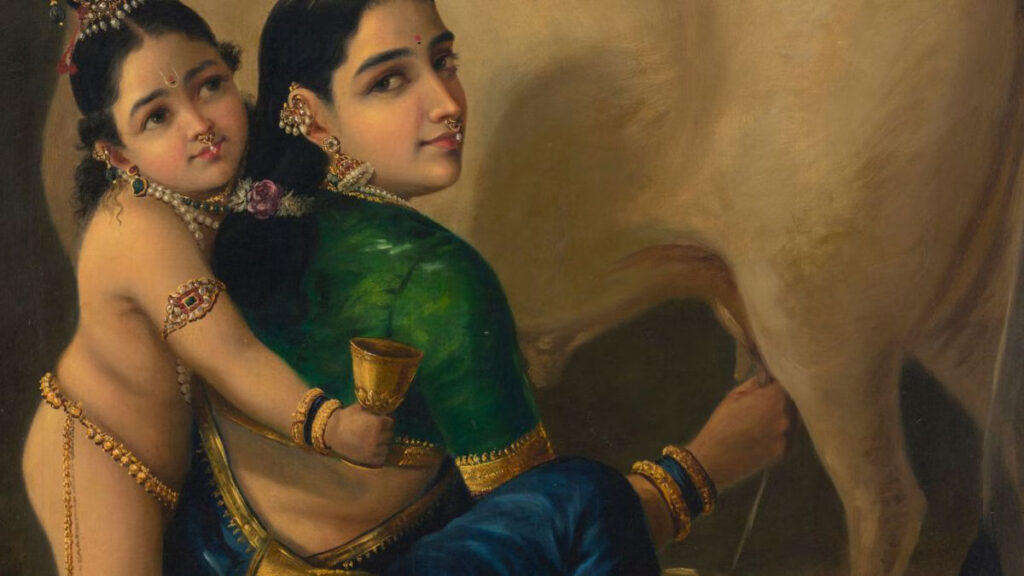
Mumbai – Indian art witnessed a historic moment as Yashoda and Krishna by Raja Ravi Varma set a new auction record. The painting sold for ₹167.2 crore at a high-profile auction. This sale now marks the highest price ever achieved by an Indian artwork.
First, the bidding unfolded at a packed event hosted by Saffronart. Collectors competed aggressively. As bids climbed, the artwork quickly moved beyond its estimated range. Experts had valued it between ₹80 crore and ₹120 crore. However, intense demand pushed the final price far higher. Therefore, the result surprised even seasoned market watchers.
Next, industrialist Cyrus Poonawalla secured the painting. He described the acquisition as both an honour and a responsibility. He also expressed intent to make the artwork accessible to the public. This statement added cultural weight to an already significant purchase.
Meanwhile, the sale surpassed the previous benchmark set by MF Husain’s Untitled (Gram Yatra). That piece had sold for over ₹118 crore. With this new record, Varma’s work has reset expectations in India’s art market. As a result, collectors now show stronger confidence in heritage art.
On the ground, the painting’s appeal goes beyond price. Created in the 1890s, it reflects Varma’s artistic peak. The artwork captures a tender moment between Yashoda and young Krishna. It blends everyday life with mythological depth. This balance draws viewers into the scene and evokes emotional connection.
In addition, the artwork carries strong historical value. It remained part of a private collection in Delhi for years. Its reappearance at auction created anticipation among collectors. Consequently, bidders showed intense interest from the start.
Looking at the background, Varma played a defining role in shaping Indian art. Born in 1848 in Travancore, he introduced oil painting techniques to a wider Indian audience. He combined European realism with Indian mythological themes. This fusion helped him gain both national and global recognition.
Moreover, Varma expanded access to art through innovation. In 1894, he launched a lithographic press. This move allowed mass production of his works. As a result, his images reached households across India. His approach transformed how people engaged with visual culture.
Today, this record sale reflects more than a financial milestone. It signals a renewed appreciation for classical Indian art. Collectors now view such works as both cultural assets and long-term investments. Therefore, the market shows signs of deeper maturity.
In conclusion, the sale of ‘Yashoda and Krishna’ stands as a landmark event. It highlights the enduring legacy of Raja Ravi Varma. At the same time, it sets a new direction for India’s art market.