
Petrol, Diesel prices climb by 90 paise amid pressure on government oil retailers
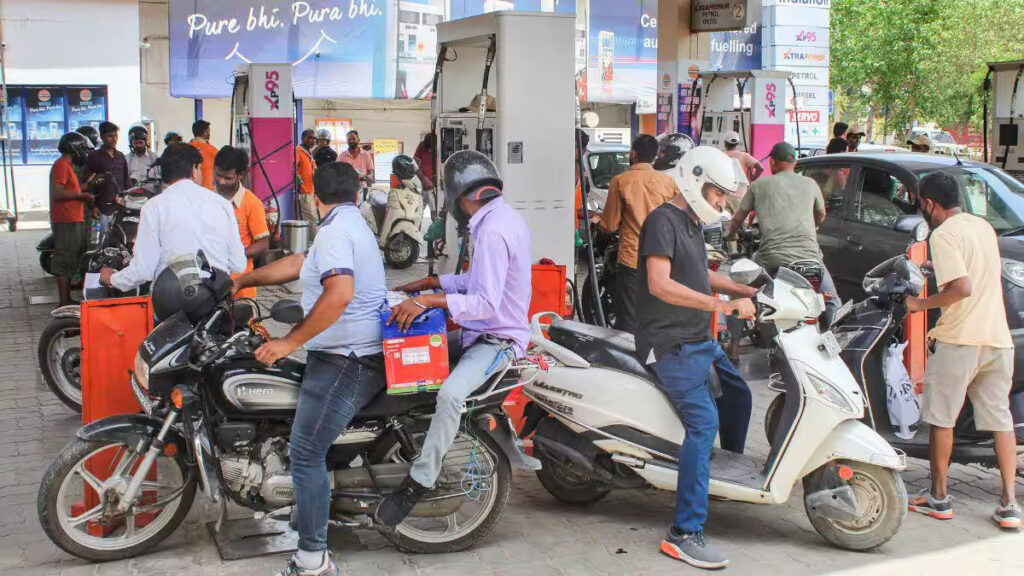
Fuel prices climbed again across India on Tuesday after public sector oil companies raised petrol and diesel rates by 90 paise per litre. The increase marked the second revision within a week and signalled growing pressure on state-run fuel retailers as global crude prices continue to surge amid the West Asia conflict.
In Delhi, petrol prices crossed ₹98 per litre while diesel moved above ₹91 per litre after the latest revision. Rates changed in other states as well because local taxes vary across regions.
The latest hike followed last week’s ₹3-per-litre increase, which ended a long period of price stability in the retail fuel market. Oil companies had avoided passing the full burden of rising crude costs to consumers for several years despite mounting losses.
Now, however, the financial strain has started showing.
At fuel stations across Delhi, Bhopal and Lucknow, many commuters expressed frustration over the repeated increase. Cab drivers and delivery workers said fuel expenses already consume a large share of their daily earnings. Several motorists at petrol pumps complained that transport costs, food prices and household budgets could face fresh pressure if rates continue rising.
Truck operators also voiced concern. Many said diesel price hikes directly affect freight charges and eventually raise prices of vegetables, groceries and construction material.
Meanwhile, industry officials argued that oil retailers had little room left to absorb global price shocks. International crude prices have risen sharply in recent months after tensions in West Asia disrupted supply routes and increased shipping risks. The closure concerns around the Strait of Hormuz added further uncertainty to energy markets.
Government-owned oil marketing companies reportedly continued selling petrol, diesel and cooking gas below actual market-linked costs during the crisis period. As losses widened, discussions inside the government reportedly shifted toward gradual price corrections instead of one steep hike.
Officials chose a staggered approach to avoid sudden inflation shocks and public backlash.
Energy analysts believe the recent hikes may reduce some pressure on oil firms but may not fully restore profitability. According to market experts, the gap between retail fuel prices and international crude-linked costs still remains significant.
The issue also carries political sensitivity.
Authorities avoided fuel price increases during recent assembly elections even as international oil markets stayed volatile. After the elections concluded, discussions around revising retail prices accelerated. Several officials had already indicated earlier this month that a correction had become unavoidable.
At the same time, economists warned that rising fuel prices could push inflation higher in the coming months. Petrol and diesel directly influence transport costs, logistics expenses and industrial operations. Any sustained increase eventually affects food supply chains, manufacturing and daily consumer spending.
Small business owners already feel that pressure on the ground. Vegetable vendors in several markets said transport operators recently increased delivery charges. Ride-hailing drivers also predicted higher fares if fuel prices continue climbing through the month.
The government earlier reduced excise duty on petrol and diesel to soften the burden on oil companies and consumers. However, rising global crude costs continue to outweigh those relief measures.
Petroleum Minister Hardeep Singh Puri recently warned that state-run refiners could face massive quarterly losses if crude prices remain elevated. Officials also continue monitoring India’s import bill, which may rise sharply if oil prices stay near current levels.
Prime Minister Narendra Modi recently urged citizens to conserve fuel wherever possible as the government attempts to manage energy imports and foreign exchange pressure during the ongoing global crisis.
For now, consumers across India prepare for the possibility of more calibrated fuel price increases in the weeks ahead as global oil markets remain unstable.