Owaisi challenges BJP Leader over “4 Children” remarks, sparks wider debate
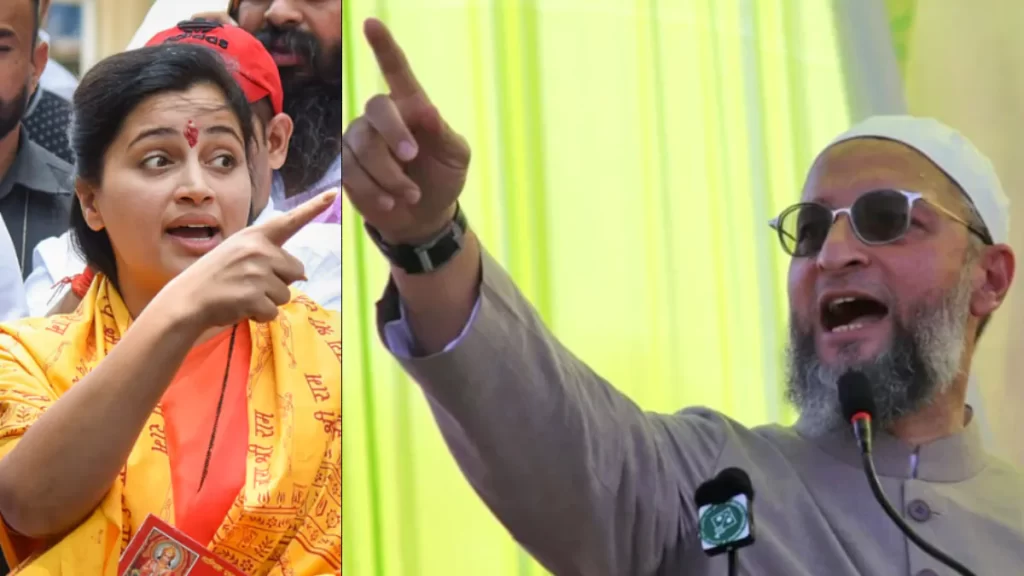
AIMIM chief Asaduddin Owaisi escalates a heated demographic debate. He targets BJP leader Navneet Rana over her call for families to have more children. She claimed larger families could stop India from turning into “another Pakistan.”
Owaisi answers sharply. He speaks at a rally in Akola, Maharashtra. He says he has six children. Then he questions Rana’s logic. “You want four? Go ahead and have eight,” he tells the crowd. He adds that age and responsibilities shape family choices.
Next, he recalls earlier statements from senior figures. He mentions RSS chief Mohan Bhagwat. He also points to Andhra Pradesh Chief Minister N. Chandrababu Naidu, whose party supports the BJP at the Centre. According to Owaisi, several leaders encourage higher birth rates. He asks why they do not follow the same advice in their own families.
Then he goes further. He dares political rivals to produce twenty children if they truly believe their own message. He calls the rhetoric unrealistic. He says leaders should stop turning families into political slogans.
Meanwhile, Rana continues to defend her position. She claims some communities increase numbers through multiple marriages and large families. She urges Hindus to “produce at least three to four children.” She frames the appeal as a defensive move. She says it protects the nation’s identity.
However, her comments ignite controversy. Critics accuse her of stereotyping Muslims. They say she spreads fear and suspicion. They argue that population growth comes from economics, not religion.
Owaisi responds to those claims as well. He says leaders choose vote-bank politics over real governance. He argues that health care, education, and employment need attention. He insists that emotional slogans distract from failures.
At the same time, Congress joins the discussion. MP Manickam Tagore condemns the rhetoric. He calls it “mad thinking.” He says India needs scientific planning, not superstition. He warns that uncontrolled growth strains resources. He cites states that struggle with rising numbers and shrinking jobs.
Therefore, the clash becomes bigger than two leaders. It touches faith, identity, and politics. It also tests how parties speak about families and minorities.
Background adds context. India’s fertility rate continues to fall in many regions. Urban families choose fewer children. Education levels rise. Women spend more years in the workforce. Health campaigns reach more people. These trends reshape the demographic map without speeches or threats.
Still, politicians keep returning to population themes. They link numbers to power. They connect birth rates with security and culture. Analysts say such framing deepens mistrust. They warn that hate can travel faster than facts.
Now the conversation shifts to responsibility. Parties face questions about social welfare. They face pressure to improve schools, hospitals, and jobs. Experts say strong systems create stability, not slogans.
In the end, Owaisi uses sarcasm to expose the claim. Rana uses alarm to rally supporters. Both seek attention in a noisy political arena. Meanwhile, families listen and decide quietly. They weigh incomes, health, and dreams. And they choose their own future, child by child — not speech by speech.