
Oil shock triggers market rout as sensex slides 1,000 points
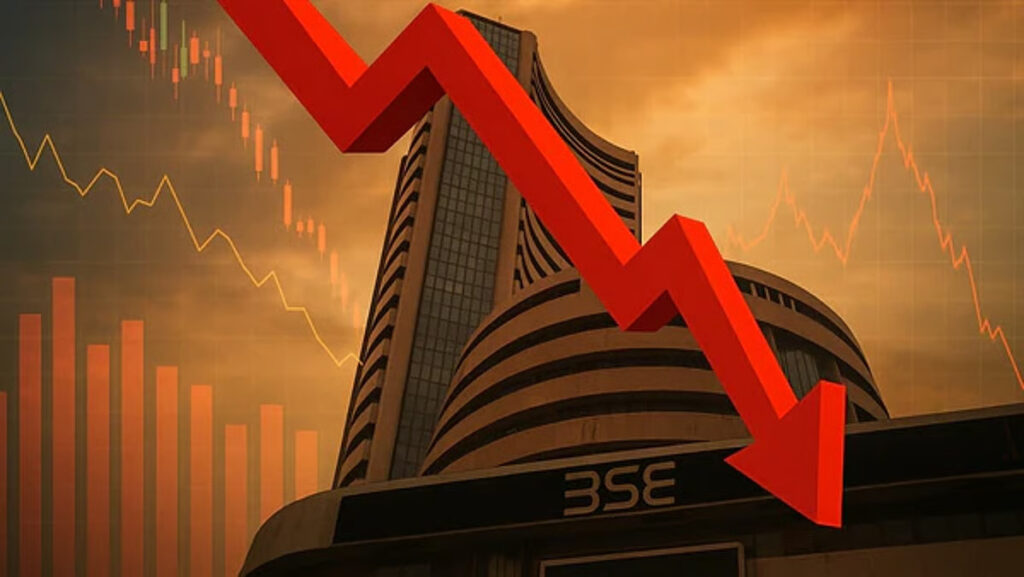
Indian equity markets started the week under pressure. The sell-off came early. It also gathered pace quickly. Rising tensions around the Iran conflict unsettled investors. At the same time, crude oil prices surged past $115 per barrel. As a result, traders rushed to cut risk.
The S&P BSE Sensex opened lower and extended losses within minutes. It dropped over 1,000 points and touched 72,516. Similarly, the NSE Nifty50 slipped sharply and hovered near 22,500 in early trade. Clearly, sentiment remained weak across the board.
On Dalal Street, dealers tracked every tick with caution. Many investors avoided fresh bets. Instead, they focused on protecting capital. Brokers reported higher sell orders, especially in banking and financial stocks. Retail investors also turned defensive. They preferred to wait rather than chase uncertain moves. Meanwhile, volatility indicators climbed, reflecting rising fear in the market.
First, crude oil drove the panic. As the Iran situation escalated, supply concerns pushed prices higher. Consequently, inflation worries resurfaced. Higher oil prices often hurt India’s import bill. They also pressure corporate margins. Therefore, investors reacted quickly.
Second, global cues remained fragile. Asian markets showed mixed trends. However, risk appetite weakened due to geopolitical stress. This caution spilled into Indian equities.
Market expert Hitesh Tailor urged caution. He advised investors to stay selective. He suggested buying strong stocks only during meaningful dips. He also warned against chasing short-term rallies. According to him, the market needs stability above the 24,000 mark on Nifty for a clearer recovery trend.
Stock Movers
Despite the broad fall, a few stocks showed resilience. Bharat Electronics Limited led the gainers. It moved up over 1%. Likewise, Reliance Industries and Power Grid Corporation of India posted modest gains.
However, losses dominated the session. Axis Bank dropped sharply by over 4%. Kotak Mahindra Bank followed with steep cuts. State Bank of India, Trent Limited, and Bajaj Finserv also declined significantly. This trend highlighted weakness in financial and consumption-driven stocks.
Sectoral Trends
Sector-wise, banking stocks took the biggest hit. Both PSU and private banks traded deep in the red. Financial services also slipped notably. In addition, auto, pharma, and healthcare indices moved lower. IT and FMCG stocks showed mild declines, but they failed to support the market.
On the other hand, metal stocks gained strength. Rising commodity prices supported the sector. Oil and gas stocks also advanced, as higher crude prices improved earnings outlook for producers. Media stocks posted small gains as well.
Broader Market & Volatility
Broader indices mirrored the weakness. Midcap and smallcap stocks declined over 1%. This indicated widespread selling pressure beyond frontline stocks. Meanwhile, the India VIX jumped over 5%. This spike signaled rising uncertainty and nervousness among traders.
Historically, geopolitical tensions in oil-producing regions impact global markets quickly. India, as a major oil importer, feels this impact more sharply. Higher crude prices often lead to inflation concerns, currency pressure, and tighter liquidity. Consequently, equity markets react negatively in the short term.
For now, markets may remain volatile. Much depends on how the Iran situation evolves. If crude prices stay elevated, pressure could continue. However, any easing in tensions may calm sentiment. Until then, investors may prefer caution, discipline, and selective buying.