NIA chargesheet names LeT, TRF, Pakistani handlers in Pahalgam Attack, details Pakistan’s role
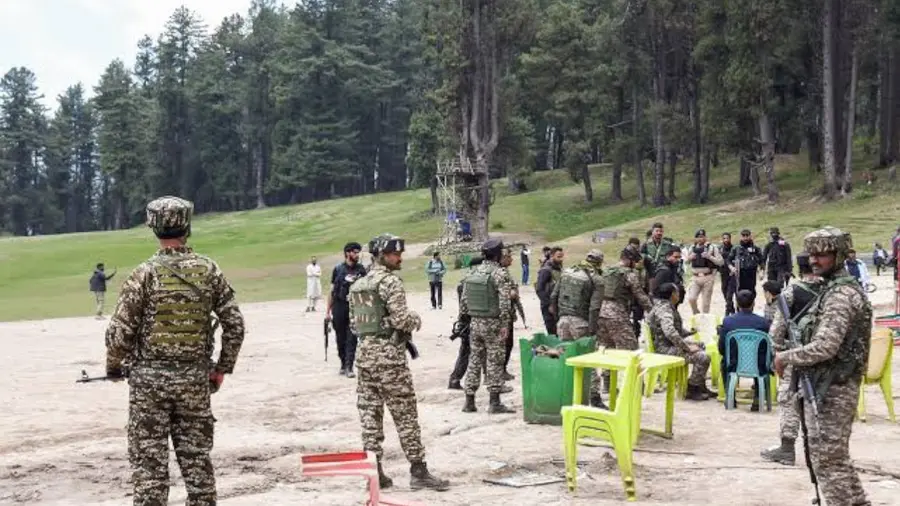
Eight months after the deadly terror strike in Pahalgam, the National Investigation Agency moved decisively. On Tuesday, the NIA filed a detailed chargesheet in the Special NIA Court. The document names seven accused and squarely points to Pakistan-backed terror groups.
To begin with, the chargesheet names proscribed outfits Lashkar-e-Taiba and The Resistance Front. Investigators treated both groups as legal entities. The NIA said they planned, facilitated, and executed the attack. The agency also laid out evidence to show cross-border direction and support.
Notably, the 1,597-page chargesheet outlines a clear conspiracy. It maps the planning phase. It tracks logistical support. It connects handlers to attackers on the ground. According to the NIA, the evidence establishes Pakistan’s complicity beyond doubt.
In addition, the chargesheet names Pakistani handler Sajid Jatt. Investigators identified him as a key coordinator. They said he guided the attackers and maintained contact during preparations. The document also names three Pakistani terrorists who later died in encounters.
These terrorists include Faisal Jatt, also known as Suleman Shah, Habeeb Tahir alias Jibran, and Hamza Afghani. Security forces killed all three during Operation Mahadev. The operation took place in the Dachigam forests near Srinagar in July this year. Officials said the encounter ended a major operational cell.
Furthermore, the NIA invoked stringent laws. It charged the accused under the Bharatiya Nyaya Sanhita. It also added sections of the Arms Act, 1959. Importantly, it applied provisions of the Unlawful Activities (Prevention) Act, 1967. The agency also invoked sections related to waging war against India.
Meanwhile, investigators did not limit the case to foreign operatives. They also named two local residents. The chargesheet lists Parvaiz Ahmad and Bashir Ahmad as accused. Police arrested both on June 22 this year. The NIA said they sheltered the terrorists and provided local support.
According to investigators, this local assistance proved critical. It helped the attackers move discreetly. It also aided their escape after the strike. The NIA said such networks pose a serious internal security threat.
For background, the attack occurred on April 22, 2025. Pakistani terrorists opened fire in the tourist town of Pahalgam. The assault killed 25 tourists from across India. It also claimed the life of a local pony operator. The attack shocked the nation and drew widespread condemnation.
Soon after, the government responded firmly. India launched Operation Sindoor on May 7. The operation targeted nine terror camps in Pakistan and Pakistan-occupied Kashmir. Officials described the strikes as precise and focused.
Subsequently, Pakistan escalated tensions. It targeted civilian areas on the Indian side. India responded proportionately, officials said. After days of heightened alert, both sides ended hostilities on May 10.
In the wider context, the chargesheet marks a major step. It seeks accountability through legal means. It documents the chain of command. It records evidence for prosecution. The NIA said the case aims to expose terror ecosystems that operate across borders.
Finally, officials stressed that the investigation continues. They said agencies will pursue remaining leads. They also said the goal remains clear. India will disrupt terror networks. It will prosecute enablers. And it will press the case against cross-border terrorism in every forum.