Nepal turmoil deepens as K P Sharma Oli calls arrest “retaliatory,” vows legal light
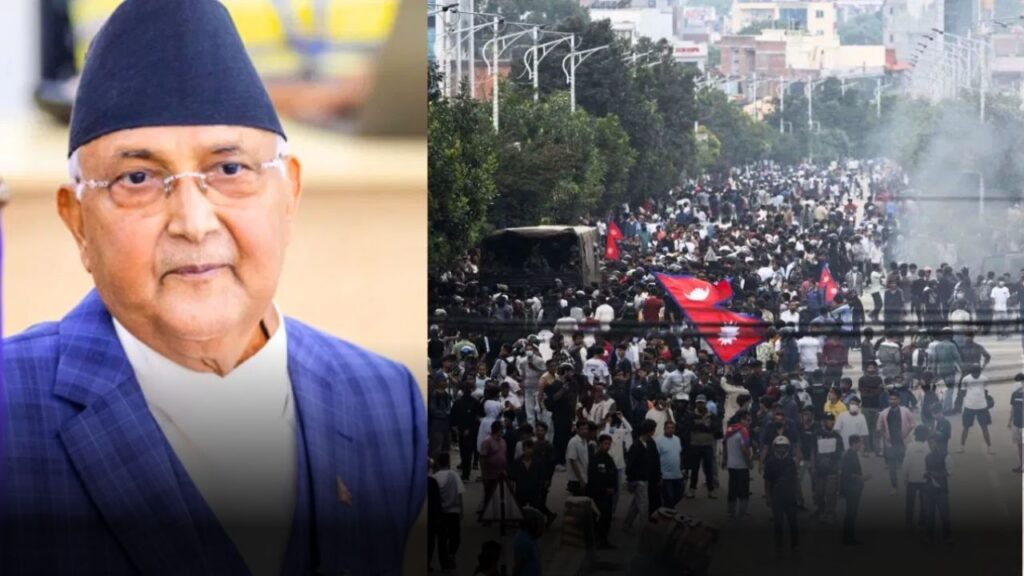
First, authorities arrested K P Sharma Oli on Saturday morning. Police also detained former home minister Ramesh Lekhak in the same operation. Officials linked both leaders to a deadly crackdown on youth-led protests in September.
Soon after, Oli reacted with a clear message. He told his legal team that the arrest was politically motivated. He also said he would challenge it in court. At the same time, he denied any role in the violence that shook the nation.
Meanwhile, police confirmed the arrests and signaled further legal steps. Officials said the case would proceed under the law. Investigators have tied the case to a culpable homicide probe. They believe the crackdown led to multiple deaths during the protests.
At this stage, the timing has added more weight to the situation. Just a day earlier, Balendra Shah took oath as Nepal’s new prime minister. His government came to power after the first elections since the 2025 uprising. That movement had ended Oli’s long political dominance.
As a result, the arrest has sparked a fresh political debate. Supporters of Oli have raised concerns over political targeting. On the other hand, critics have demanded accountability for the violence.To understand the current crisis, one must revisit the events of September 2025. At that time, a wave of protests swept across Nepal. The unrest began over a brief social media ban. However, it quickly turned into a wider movement against corruption and economic hardship.
Initially, young people led the protests. Many belonged to what observers described as a Gen Z-led uprising. They demanded transparency, jobs, and reforms. Soon, the protests spread across major cities.
On September 8 and 9, violence escalated sharply. Clashes broke out between protestors and security forces. Fires engulfed parliament buildings and government offices. As tensions grew, the state responded with force.
Consequently, at least 77 people lost their lives during the unrest. Among them, at least 19 young protestors died on the first day of the crackdown. These deaths triggered national outrage and intensified calls for accountability.
Eventually, the unrest forced the government to collapse. Nepal then entered a fragile political transition. A caretaker administration took charge and initiated investigations into the violence.Later, a government-backed commission examined the events. It reviewed evidence, testimonies, and official actions. The panel recommended legal action against several officials, including Oli.
Importantly, the report did not confirm a direct order to open fire. However, it raised serious concerns about leadership failure. It noted that authorities did not act to stop or control the firing. It also pointed out that negligence led to the deaths of civilians, including minors.
Therefore, investigators built a case around responsibility rather than direct command. They focused on whether top leaders failed to prevent excessive force.
Now, authorities have moved forward with arrests. They aim to establish accountability through the legal system. At the same time, Oli has prepared to contest the charges.On the streets of Kathmandu, reactions remain mixed. Some citizens have welcomed the arrests. They believe justice must follow the loss of lives. Others have expressed concern about political stability.
Young activists, in particular, continue to demand transparency. Many of them had participated in the protests. They now see the legal action as a test of Nepal’s democratic institutions.
At the same time, small business owners and workers have voiced a different concern. They worry about renewed instability. Last year’s unrest had disrupted daily life and economic activity. Many fear that political clashes could slow recovery again.