Islamabad locks down as high-stakes US-Iran talks approach
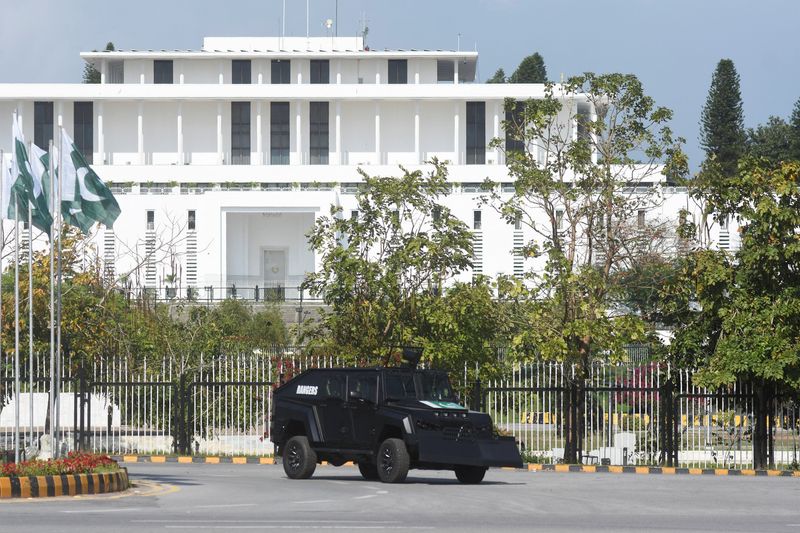
Islamabad tightens security and restricts daily life as crucial talks between the United States and Iran draw closer. The city prepares to host negotiations on April 11 amid a fragile ceasefire in West Asia. As a result, authorities move swiftly and turn key zones into controlled areas.
To begin with, security forces increase their presence across the capital. They patrol major roads and guard government buildings. In visuals from the ground, the Red Zone appears heavily barricaded. Officials block entry points and allow only limited civilian movement. This zone houses Parliament, embassies, and key offices, so authorities treat it as a high-security area.
At the same time, police teams set up multiple checkpoints across Islamabad. They check vehicles and monitor movement closely. Meanwhile, traffic police divert routes to clear paths for visiting delegations. These steps aim to ensure smooth and secure transit for officials arriving for the talks.
On the ground, residents feel the impact immediately. Authorities announce public holidays on Thursday and Friday to reduce crowd movement. As a result, many schools shut down and markets remain closed. In several neighborhoods, people step out only for essential needs. Streets that usually stay busy now show reduced activity, especially near central zones.
In the background, these developments follow a tense phase in the region. A two-week ceasefire between the US and Iran creates a narrow opening for dialogue. This truce comes after a sharp escalation triggered by the killing of Iran’s Supreme Leader Ali Khamenei on February 28. Since then, diplomatic channels regain some momentum, and Pakistan steps in to facilitate talks.
Moreover, Pakistan positions itself as a key mediator in this situation. Foreign Minister Ishaq Dar confirms that the government simplifies entry procedures for delegates. Authorities decide to offer visa-on-arrival to participants, including journalists. They also set up special help desks at airports to assist arrivals and speed up the process.
Meanwhile, Interior Minister Mohsin Naqvi assures full security to international teams. He communicates directly with the US Ambassador and promises foolproof arrangements. In parallel, a 30-member American advance team arrives in Islamabad to assess the situation and review security plans.
However, concerns still surface in diplomatic circles. Some observers question whether Islamabad can fully manage such a high-profile event. The main venue, a luxury hotel in the capital, remains under tight watch. Security teams continue drills and coordination to avoid any lapse.
At the same time, global attention shifts to Islamabad. The outcome of these talks may influence stability across West Asia. Energy markets, regional alliances, and ongoing conflicts all connect to this dialogue. Therefore, every move in the city carries wider implications.
In conclusion, Islamabad transforms into a controlled zone as it prepares for a critical diplomatic moment. Authorities enforce strict measures, while citizens adjust to sudden disruptions. As delegations arrive and talks begin, the city stands at the center of a high-stakes effort to prevent further escalation.