Iran yet to send team to Pakistan for US talks, State media reports
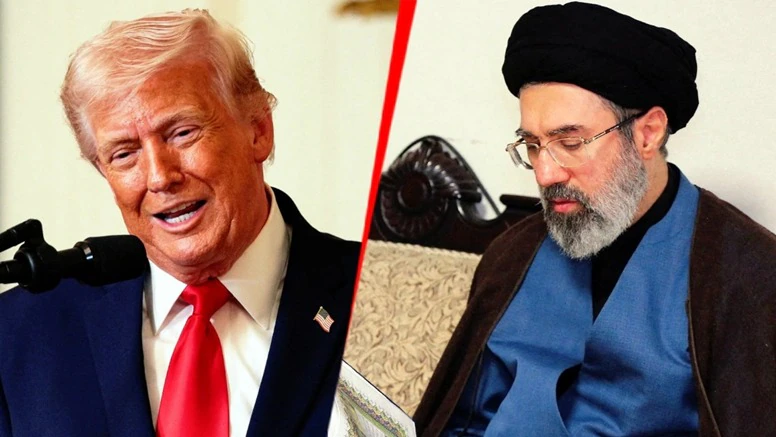
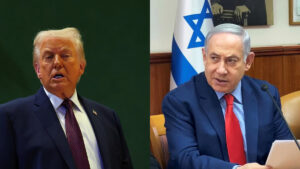
Confusion surrounds the proposed Iran-US talks in Pakistan. Reuters reported that no Iranian delegation has left for the meeting yet. At the same time, sources said US Vice President JD Vance has not departed either. This directly contrasts with claims from Donald Trump, who earlier said a US team was already on its way.
Meanwhile, uncertainty deepens on Tehran’s position. Iranian state-linked media has not confirmed participation. However, a source indicated that Tehran is still weighing its options. This leaves the proposed talks in limbo just days before a critical ceasefire deadline.
Next, reports suggest movement may still happen. Axios said Vance plans to travel to Pakistan on Tuesday. If this visit takes place, it could push talks forward. Even so, officials admit the situation remains fluid and unpredictable.
On the other hand, Pakistani officials sound more confident. A senior अधिकारी said the government has received “positive signals” from Iran. He added that Islamabad is working to ensure Iran joins the talks either immediately or within a day. This optimism highlights Pakistan’s role as a mediator trying to bridge a widening gap.
At the same time, tensions continue to rise at sea. Ships still avoid a key global route near the Strait of Hormuz. Iran has issued threats, while the US has enforced a blockade on vessels linked to Iranian ports. As a result, trade disruptions have intensified and global markets have reacted sharply.
Moreover, Washington has expanded its diplomatic push. The US State Department plans fresh talks between Israel and Lebanon later this week. Officials say they want “direct and good-faith discussions” to stabilise another fragile front in the region.
However, Trump has hardened his stance on Iran. He said the US will maintain the blockade until Tehran agrees to a deal. He claimed Iran is losing hundreds of millions of dollars daily under current pressure. This approach signals Washington’s strategy to force negotiations through economic strain.
In response, Iranian leadership has issued a warning. Vice President Mohammad Reza Aref argued that restricting Iran’s oil exports will carry global consequences. He said energy markets cannot stay stable under selective pressure. His remarks point to a broader economic battle beyond the military standoff.
On the ground, the impact already shows. Oil prices jumped during early trading as tensions escalated. Traders reacted quickly to the risk of supply disruption in the Gulf. Analysts say even minor escalation around Hormuz can trigger major price swings.
Looking at the timeline, urgency now drives every move. The ceasefire deadline arrives on April 22. Trump warned that failure to reach a deal could lead to direct conflict. At the same time, Iran’s parliament signalled a tougher stance. Leaders hinted they may “reveal new cards” if diplomacy fails.
Both sides signal readiness yet avoid firm commitments. Diplomatic channels remain open, but trust remains low. As the deadline approaches, every statement and movement carries weight. The next 24 hours could decide whether talks begin—or tensions escalate further.