
Fuel prices hold firm in Delhi amid global oil tensions; private player raises rates
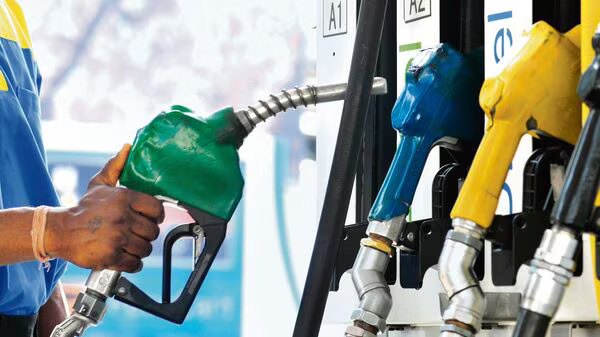
New Delhi – Petrol and diesel prices in the national capital stayed unchanged on Friday, March 27. This stability brought relief to daily commuters and transport operators. However, global uncertainty continues to shape the broader energy outlook.
At the retail level, petrol in Delhi stands at ₹94.77 per litre. Diesel rates also show no change compared to the previous day. Oil marketing companies continue to maintain a steady pricing pattern despite volatile crude markets.
Meanwhile, a contrasting move has emerged from the private sector. Nayara Energy has increased petrol prices by ₹5 per litre and diesel by ₹3 per litre. This decision signals a selective response to rising input costs. It also highlights the gap between public sector pricing stability and private sector flexibility.
At the policy level, state-run fuel retailers continue to follow a cautious approach. Indian Oil Corporation, Bharat Petroleum Corporation Limited, and Hindustan Petroleum Corporation Limited have kept retail prices largely unchanged since April 2022. These companies absorb losses during high crude prices. In contrast, they recover margins when global rates soften. This strategy helps avoid sudden shocks for consumers.
Across major cities, fuel prices show slight variations due to local taxes and logistics costs. In Bengaluru, petrol costs ₹102.96 per litre, while diesel sells at ₹90.99. Chennai records petrol at ₹100.84 and diesel at ₹92.39. Hyderabad shows higher levels, with petrol at ₹107.46 and diesel at ₹95.70. Kolkata lists petrol at ₹105.45 and diesel at ₹92.02. Mumbai remains among the costliest markets, where petrol stands at ₹103.54 and diesel at ₹90.03.
These differences reflect state-level levies and transportation expenses. As a result, consumers across cities experience varying price burdens despite uniform base pricing trends.
Daily Impact on Citizens
On the ground, stable prices offer temporary comfort. Auto drivers, delivery workers, and middle-class families rely heavily on predictable fuel costs. A sudden hike directly affects their daily budgets. Therefore, even a pause in price changes helps households manage expenses better.
At petrol pumps across Delhi, many consumers expressed cautious relief. They welcome stability but remain alert to sudden spikes. Small business owners, especially in logistics and food delivery, say stable fuel rates help them control operating costs. However, they also fear that any sharp increase could force them to raise service charges.
Public transport operators echo similar concerns. Bus and taxi services depend on fuel pricing stability to maintain fare structures. Any disruption in fuel rates quickly impacts ticket prices and passenger demand.
Global Pressures Continue to Build
Globally, the energy market remains under pressure. India imports nearly 88 per cent of its crude oil needs. It also depends on overseas sources for about half of its natural gas supply. This heavy reliance makes the country highly sensitive to geopolitical developments.
A key concern now revolves around the Strait of Hormuz. This narrow waterway handles a significant share of global oil shipments. Any disruption here quickly impacts supply chains and pricing worldwide.
Tensions have escalated after recent military actions involving the United States and Israel targeting Iranian facilities. In response, Iran has issued warnings that could affect shipping routes in the region. As a result, several insurers have withdrawn coverage for tankers operating near the strait. This move has slowed down vessel movement and raised fears of supply disruptions.
These developments create uncertainty in global crude markets. Even if retail prices remain stable for now, the risk of future volatility remains high.
Outlook: Stability for Now, Uncertainty Ahead
For the moment, Indian consumers benefit from steady fuel prices. Government-backed oil companies continue to cushion the impact of global fluctuations. However, private players have already started adjusting rates based on market conditions.
Going forward, much depends on geopolitical stability and crude supply flows. If tensions ease, prices may remain under control. On the other hand, any escalation could push global oil rates higher. That, in turn, may force a revision in domestic fuel prices.
In conclusion, Delhi enjoys a brief phase of stability in fuel costs. Yet, global signals suggest that this calm may not last long. Consumers, businesses, and policymakers now watch international developments closely as they prepare for possible changes in the energy landscape.