From ‘very bad’ to ‘severe’: Delhi’s pollution spikes post-Diwali festivities
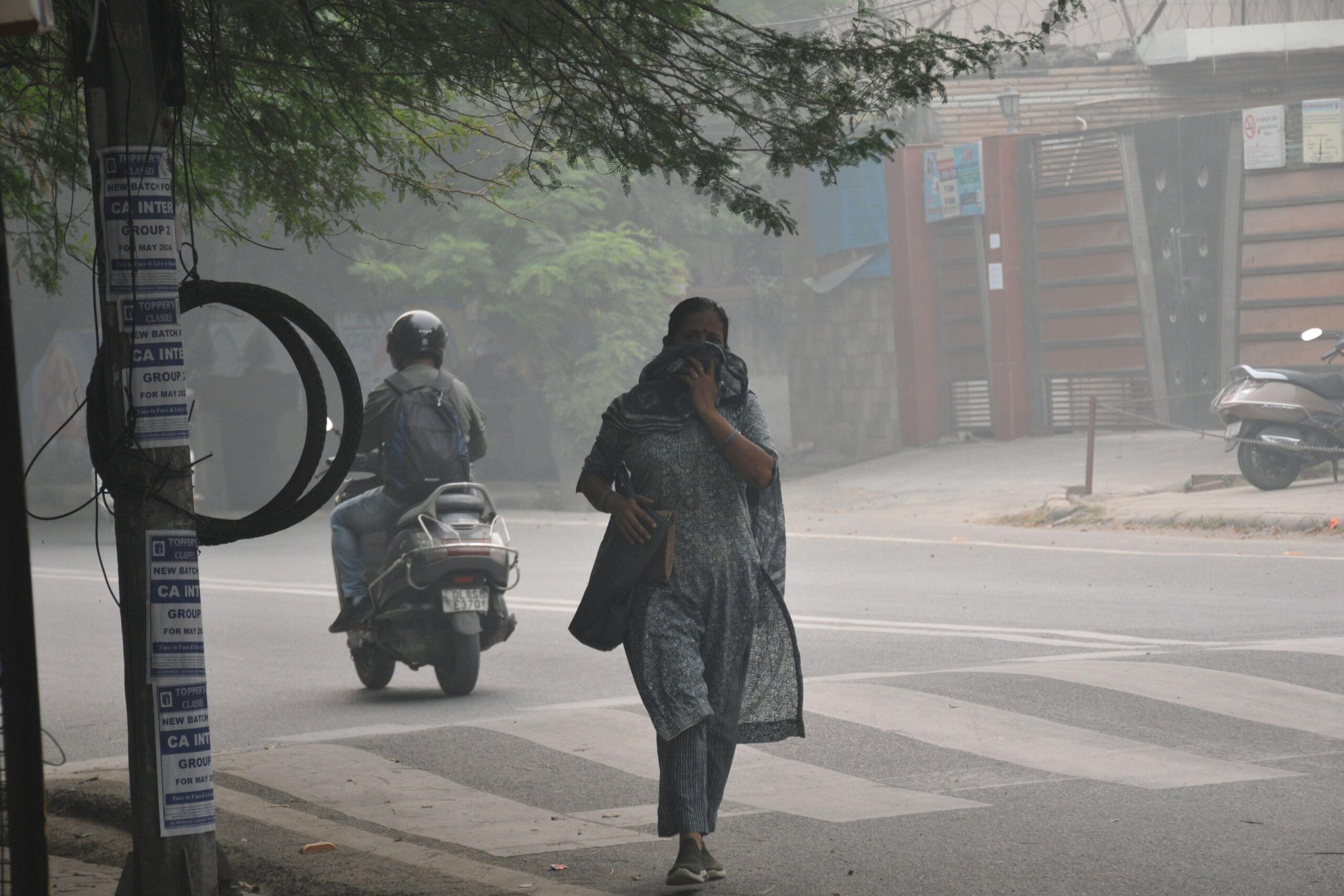
The air in Delhi turned sharply worse on Wednesday after two days of Diwali celebrations. Authorities reported ‘very poor’ air quality in most areas, while one location recorded ‘severe’ pollution. The deterioration followed the Supreme Court’s green light for “green” firecrackers, permitted at the Delhi government’s request.
The Central Pollution Control Board (CPCB) recorded an Air Quality Index (AQI) of 341 at 1 pm. This level classifies the air as ‘very poor’. “Green” crackers claim to emit fewer pollutants than traditional ones. However, officials noted sales of non-permitted firecrackers in some areas.
To understand the severity, the CPCB sets AQI bands: 0-50 is ‘good’, 51-100 ‘satisfactory’, 101-200 ‘moderate’, 201-300 ‘poor’, 301-400 ‘very poor’, and 401-500 ‘severe’.
Area-wise readings highlighted the problem. Anand Vihar recorded 363, Chandni Chowk 325, ITO 372, and Najafgarh 301. All these levels fall under ‘very poor’. Out of 39 monitoring stations, 31 reported AQI between 301 and 399. Only Punjabi Bagh in West Delhi crossed into ‘severe’ territory with 419. The lowest AQI appeared at Lodhi Road and DTU at 209, still in the ‘poor’ range.
Authorities have activated Stage II of pollution controls under the Graded Response Action Plan (GRAP). The Commission for Air Quality Management (CAQM) implements these measures to curb pollution across Delhi-NCR.
Under GRAP 2, officials enforce twelve key measures. They restrict the use of diesel generator sets, limit entry of interstate buses except EVs, CNG, and BS-VI diesel vehicles, and hike parking fees to reduce private transport use. These actions aim to cut emissions and protect public health.
Experts warn residents to limit outdoor activities. Masks and air purifiers are recommended, especially for children, the elderly, and those with respiratory issues. Citizens also urge to avoid burning wood, garbage, or non-permitted firecrackers.
As Delhi faces repeated spikes post-festivals, officials emphasize that public cooperation remains critical. With winter approaching, authorities plan stricter monitoring and swift enforcement to keep pollution under check.