CBSE Results 2026: Psychologist explains what parents should avoid saying after marks
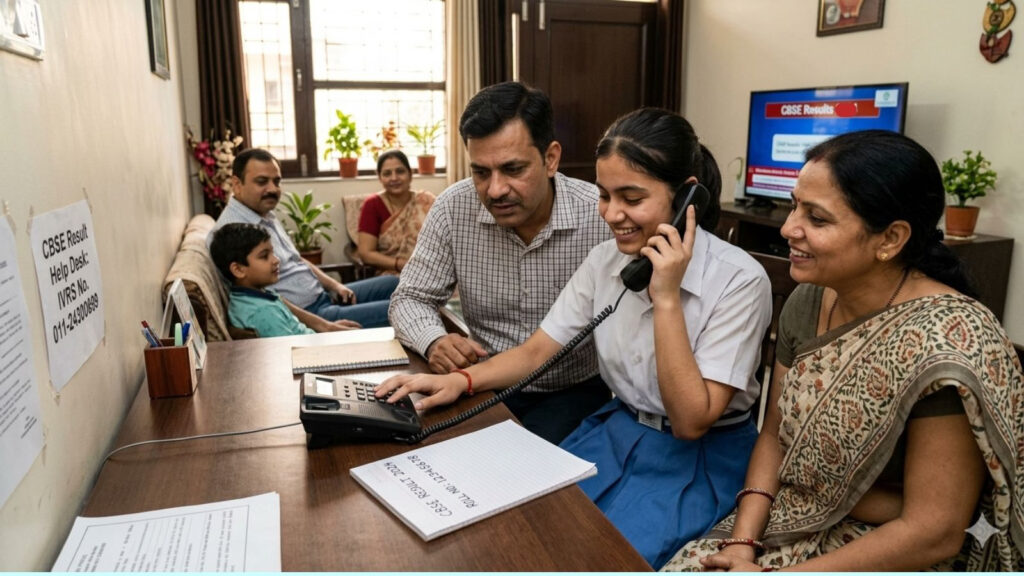
As lakhs of students checked their CBSE Class 12 results this week, counsellors and mental health experts urged parents to pay close attention not only to reactions but also to words spoken at home.
The Central Board of Secondary Education announced the 2026 board results on May 13, ending weeks of anxiety for students across the country. However, for many families, the pressure did not end with the scorecards. Conversations about marks, careers and future plans quickly took over dining tables, coaching centres and WhatsApp groups.
Child psychologist Preeti Kwatra says this period remains emotionally sensitive because teenagers often connect academic performance with personal worth. According to her, even supportive comments can unintentionally damage confidence if parents phrase them carelessly.
Across cities like Delhi, Kota and Lucknow, students gathered outside schools and coaching institutes after results. Some celebrated with friends and sweets, while others quietly avoided discussions around percentages and ranks. Several parents also admitted they struggled to comfort children who expected better scores.
Mental health experts say such moments shape a child’s long-term emotional response towards success and failure.
Kwatra explained that one common phrase — “You are so smart, I knew you would do well” — may sound encouraging but can create pressure. Children may begin linking love and approval only with achievement. As a result, future setbacks may feel like personal failure instead of temporary disappointment.
Another statement experts warn against involves emotional suppression. Parents often tell children not to cry after poor results because they want them to appear “strong.” However, psychologists say such advice can discourage emotional expression and make teenagers hide sadness instead of discussing it openly.
Counsellors also caution parents against comparisons disguised as praise. Statements like “You are better than your brother or sister” may create competition and insecurity inside families. Experts say children should focus on personal growth rather than constantly trying to outperform siblings or classmates.
Similarly, phrases such as “Not everyone can win” may sound practical but can quietly lower confidence. According to psychologists, children often remember hidden meanings more strongly than direct words. Even casual remarks can therefore affect self-esteem for years.
Experts also highlighted another overlooked issue — discouraging children from seeking help. Parents sometimes praise independence by saying, “See, you didn’t need help after all.” However, psychologists believe such comments may stop students from asking for guidance later in life because they fear appearing weak or dependent.
At several counselling centres in Delhi this week, psychologists reported increased calls from anxious students worried about college admissions and entrance examinations. Teachers also observed that many teenagers now face pressure from social media comparisons alongside academic competition.
Parents waiting outside coaching institutes admitted they too feel stress during board result season. Some said relatives immediately ask about marks, streams and future plans, increasing pressure on both children and adults.
Education experts therefore advise families to focus more on emotional stability than percentages during the first few days after results. They recommend open conversations, patience and reassurance instead of constant analysis of scores.
Psychologists also remind parents that board results represent only one stage of life and not a permanent judgement on talent or capability.
For students already balancing entrance exams, career decisions and uncertainty about the future, simple conversations at home can strongly influence confidence. During such moments, experts say calm support matters far more than perfect words or impressive marks.