Bengal and Bihar connect welfare schemes with SIR voter verification
The voter list revision drive in West Bengal and Bihar has now moved beyond elections and entered the welfare system. Both BJP-led governments have started linking social welfare eligibility with names verified during the Special Intensive Revision, or SIR, process.
The move has triggered sharp political reactions and fresh debate over citizenship, welfare access and voter verification.
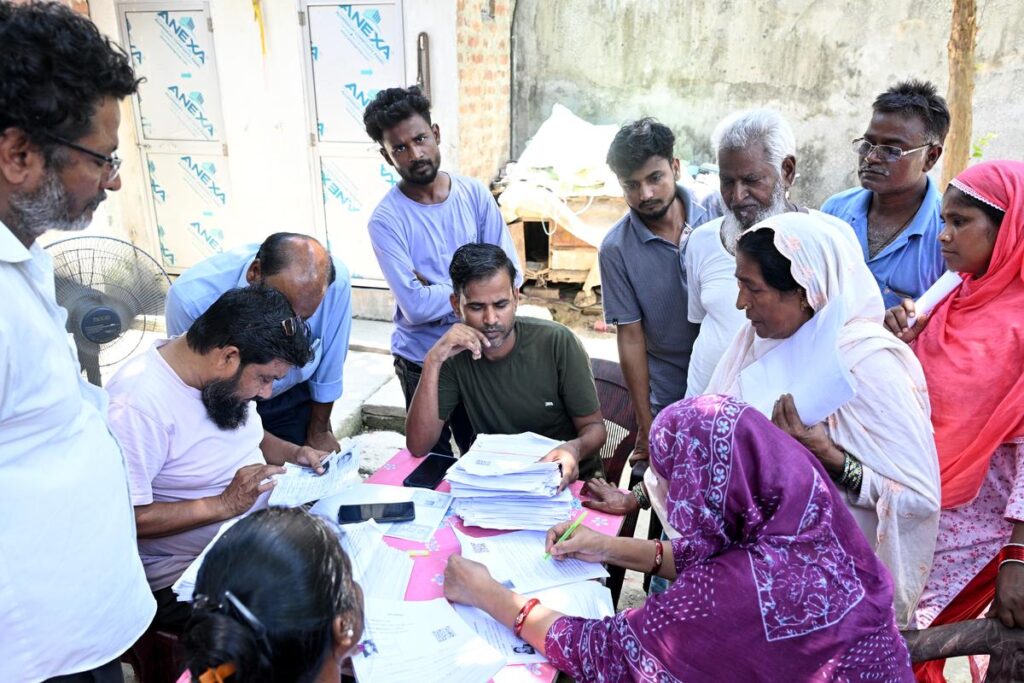
In Kolkata, long queues formed outside local administrative offices this week as residents sought clarification about their names on beneficiary lists. Several women from lower-income neighbourhoods said they feared losing monthly financial assistance if authorities removed their names from electoral rolls during the revision exercise.
The SIR process began as an Election Commission exercise ahead of key Assembly elections. Authorities launched it to remove duplicate, deceased and allegedly ineligible voters from electoral rolls. However, state governments now plan to use the same database to identify welfare beneficiaries.
Officials in Bengal and Bihar argue that the move will reduce fraud and stop leakages in taxpayer-funded schemes. They say the updated rolls can help remove fake identities and prevent benefits from reaching dead or duplicate beneficiaries.
After the BJP formed its first government in Bengal under Chief Minister Suvendu Adhikari, ministers signalled a major policy shift. The government announced that people removed during the SIR process would temporarily lose access to several welfare schemes until authorities complete verification.
Women and Child Welfare Minister Agnimitra Paul said the state would review beneficiaries before launching the Annapurna Bhandar scheme on June 1. Under the programme, eligible women will receive monthly financial assistance.
Paul also said authorities would examine whether deleted names still appear in older schemes such as Lakshmir Bhandar. According to the government, deceased persons and non-citizens should not receive welfare benefits meant for state residents.
At the same time, the Bengal administration clarified that individuals could regain benefits if tribunals later restore their names to electoral rolls.
The SIR exercise removed nearly 91 lakh names from Bengal’s voter database. Officials also flagged more than 27 lakh names under “logical discrepancies”. Many of those individuals could not vote during the recent Assembly elections.
The issue remains politically sensitive in minority-heavy and migrant-dominated districts. Mamata Banerjee and the All India Trinamool Congress accused the BJP of using the revision process to suppress voters.
Meanwhile, Bihar has started a similar exercise. Chief Minister Samrat Choudhary said individuals removed from electoral rolls would lose access to ration and welfare schemes. He also warned that authorities may cancel bank passbooks linked to deleted beneficiaries in the future.
Bihar Food Minister Ashok Choudhary said officials had already removed nearly five lakh names from ration card records after the SIR update.
The controversy has now reached the national political stage. Congress leader P Chidambaram criticised the move and questioned whether electoral roll inclusion should determine citizenship or welfare eligibility. He also urged the judiciary to examine the constitutional implications of the policy shift.
The debate comes even as governments continue efforts to tighten welfare delivery through Direct Benefit Transfer systems. Although DBT reduced middlemen and fake beneficiaries over the years, authorities still report gaps involving duplicate records, incomplete Aadhaar linkage and diversion of funds.
Now, Bengal and Bihar appear ready to use SIR-verified data as the next layer of scrutiny. Supporters call it a move toward transparency and accountability. Critics, however, warn that administrative errors could block genuine beneficiaries from crucial support schemes.