2 Indian students die in separate Canada crimes; community seeks answers and safety
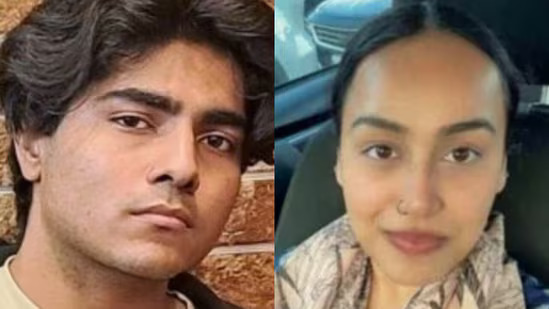
Two Indian students died in violent incidents in Canada within two weeks. The news alarmed families, friends, and the broader Indian community. Yet police stress separate motives. They also note no link between the two crimes. Still, concern grows. And questions follow about safety, support, and justice.
First, the latest case unfolded near the University of Toronto’s Scarborough campus. Police received a shooting alert along Highland Creek Trail. Officers reached the area within minutes. They found doctoral student Shivank Avasthi with severe gunshot injuries. Paramedics treated him on the spot. Then they declared him dead. Investigators scanned the trail. They collected shell casings. They reviewed nearby cameras. Meanwhile, suspects fled the scene. Officers locked down parts of the campus. Students waited indoors. Parents called in fear.
Later, detectives updated the numbers. The death marked Toronto’s 41st homicide of the year. Moreover, it marked the second crime-related death of an Indian in just days. The Indian Consulate reacted quickly. Officials contacted the family. They offered support for formalities. They assured coordination with local authorities. On X, they expressed anguish. They also promised assistance through the investigation. Friends described Avasthi as focused, calm, and driven. Professors remembered his research work. Many classmates gathered for a vigil. They lit candles. They held silence. They demanded swift action.
Now, look at the earlier case. It involved Himanshi Khurana, a 30-year-old Indian national in Toronto. Her friends reported her missing. Police opened a file. Officers began door-to-door checks. They tracked her last known movements. Then they entered a residence in downtown Toronto. They discovered her body. Detectives treated the scene as a homicide from the start. They notified the family. They informed the public. They also named a suspect: Abdul Ghafoori, age 32. Officers launched a manhunt. They urged people to share information. According to investigators, Himanshi and the suspect knew each other. The case pointed toward intimate partner violence. Advocacy groups raised alarms. They urged victims to seek help early. They called for stronger prevention programs.
Meanwhile, both cases deepened anxiety among international students. Many leave home with hope and ambition. They juggle classes, jobs, and rent. However, crime shocks them. Therefore they now ask for safer neighborhoods and better campus alerts. Student associations arranged meetings. They invited police representatives. They shared safety tips. They discussed mental-health support. Universities promised counseling. They also reviewed security patrols and lighting along walking trails.
Canadian leaders also responded. They condemned the violence. They pressed investigators for updates. They reassured immigrant communities. Indian officials maintained close contact with families. They monitored developments. They coordinated with funeral and legal services. Parents in India followed every headline. They prayed for clarity and closure.
In the end, two tragedies cut short two promising lives. One case centers on a shooting. The other highlights relationship violence. Both demand truth and accountability. Police continue interviews. They collect digital evidence. They canvass witnesses. Communities grieve. Friends gather. Families wait. And, importantly, both countries look for lessons. Safety requires coordination. It requires awareness. It also requires strong community networks. As investigations move forward, the focus stays on justice, prevention, and support for those left behind.