10-Point deal shapes fragile US-Iran ceasefire, uncertainty persists on ground
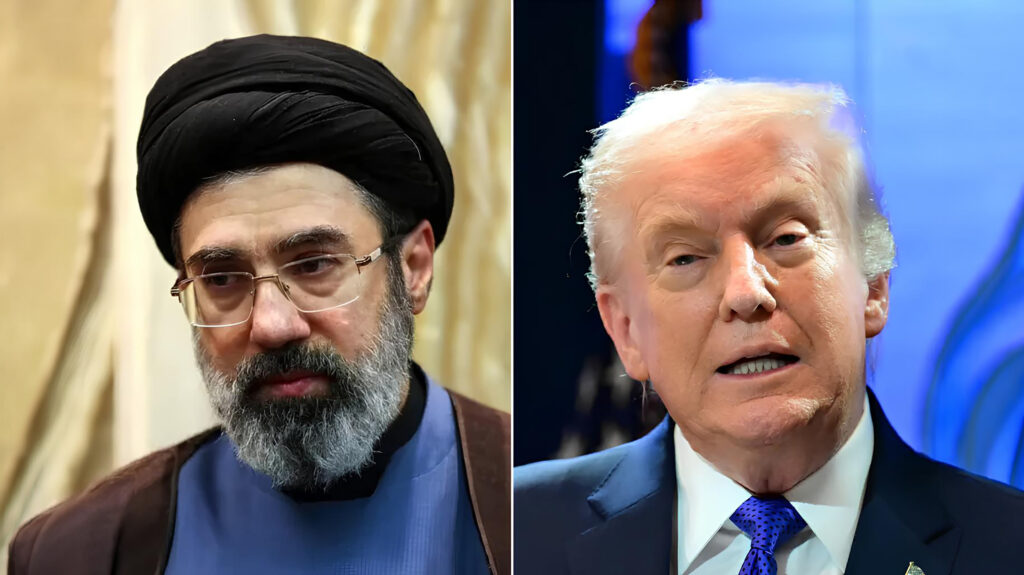
A tense calm now holds across parts of West Asia. The United States and Iran have paused direct strikes for two weeks. However, this pause rests on a detailed proposal from Tehran. Sources indicate that Washington agreed to engage with a 10-point framework to secure the ceasefire.
First, the breakthrough followed intense backchannel talks. US President Donald Trump pushed for a quick pause before his strike deadline expired. At the same time, Iran placed clear conditions on the table. As a result, both sides moved toward a temporary understanding instead of escalation.
The proposal outlines sweeping demands. Iran seeks a formal non-aggression pact with the US. It also wants continued control over the Strait of Hormuz. This route carries a major share of global oil shipments. Therefore, control over it gives Tehran strong leverage.
In addition, Iran demands recognition of its nuclear enrichment program. It also calls for the removal of both primary and secondary US sanctions. These sanctions have restricted Iran’s economy and trade links for years. Alongside this, Tehran seeks the termination of past resolutions from the United Nations Security Council and the International Atomic Energy Agency. It also demands compensation for damages linked to past conflicts.
Further, Iran has asked for a full withdrawal of US combat forces from the region. It has also pushed for a halt to conflicts involving its allied groups, including Hezbollah. These points reflect Tehran’s broader goal to reshape the regional balance.
Meanwhile, the ceasefire links directly to maritime access. Iran has agreed to allow controlled movement through the Strait of Hormuz for two weeks. In return, the US has paused offensive operations. This includes any expansion of strikes on Iranian targets. Consequently, oil shipments have started moving with less disruption, though risks remain.
On the ground, the situation still looks fragile. In several areas, military units remain on alert. Civilians in conflict zones report fewer explosions, yet they continue to track developments closely. Traders and shipping firms also remain cautious. They adjust routes and insurance costs based on every update.
Diplomatic efforts continue alongside this pause. Pakistan has stepped in as a mediator. Prime Minister Shehbaz Sharif has offered Islamabad as the venue for the next round of talks. Negotiators from both sides plan to meet and explore a longer-term settlement.
Trump has described the proposal as “workable.” He has suggested that both sides have addressed most major issues in principle. However, the White House has not released full details. This lack of clarity raises key questions. Observers still do not know how far Washington will go on sanctions relief or troop withdrawal.
Iran, for its part, has issued a clear warning. Its leadership says the ceasefire does not mark the end of the war. It has also warned that any violation will trigger a strong response.
In the background, years of mistrust continue to shape every move. Both sides now test each other’s intent through this short pause. The coming talks will decide whether this deal evolves into lasting peace or slips back into conflict.