ECI Action: 529 candidates disqualified for failure to file expenses
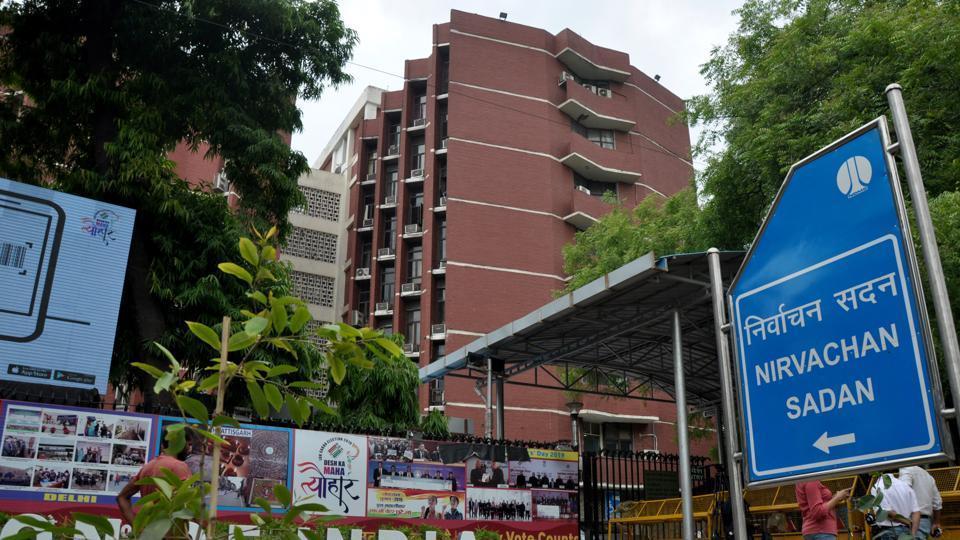
The poll watchdog tightens compliance. Then, it cracks down on defaulters across states. As a result, 529 former candidates lose key electoral rights for three years.
On March 16, the Election Commission of India issues a sweeping order under Representation of the People Act, 1951. The action targets independent candidates who contested Lok Sabha and Assembly polls but skipped filing their election expenditure accounts. The order bars them from voting and from contesting elections to Parliament and state legislatures during the penalty period.
The rule at the centre comes into focus. Section 10A requires every candidate to submit a detailed account of campaign spending within 30 days after results. The filing must cover every expense—rallies, vehicles, publicity material, and logistics. When a candidate misses the deadline or files incomplete records, the Commission can impose a three-year disqualification.
Election officials say compliance often slips among independents. Many lack party machinery, accountants, or legal teams. As a result, they struggle to compile bills and vouchers on time. Some also remain unaware of strict timelines. Officials, however, stress that the law applies equally to all candidates, regardless of party backing.
The impact spreads across the country. Uttar Pradesh leads with 120 disqualified individuals. Karnataka follows with 59. Then come Madhya Pradesh with 39 and Chhattisgarh with 36. Tamil Nadu records 33, while Bihar accounts for 28. Telangana, Punjab, and Uttarakhand each report 27. Andhra Pradesh logs 25, and Haryana records 22.
Further down the list, Kerala has 16 and Assam has 14. Rajasthan counts 12, while Gujarat and Himachal Pradesh report nine each. Odisha lists eight. Delhi and West Bengal record four each. Smaller numbers emerge from Jharkhand and several northeastern states, with one case each in Manipur, Meghalaya, Sikkim, Tripura, and Lakshadweep.
Importantly, the order applies only to elections governed by the central law. Local body polls fall outside its scope. State Election Commissions run panchayat and municipal elections under separate statutes. Therefore, the disqualified individuals may still contest those local polls, subject to state rules.
The anti-corruption push drives stricter enforcement. Authorities want transparent campaign finance and a level playing field. Expense disclosures help track money flow and deter misuse of funds. Over the years, the Commission has increased monitoring and tightened deadlines to improve accountability.
The message stands clear. Candidates must follow reporting rules or face swift penalties. With this action, the Commission signals zero tolerance for non-compliance and reinforces the importance of clean and transparent elections.