Overnight crackdown exposes NEET leak network across 5 states
A late-night intelligence alert triggered one of the fastest education fraud crackdowns in recent years. Within just a few hours, investigators traced the alleged NEET-UG 2026 paper leak from Rajasthan to several states, exposing a network that stretched across coaching circles, digital groups and middlemen.
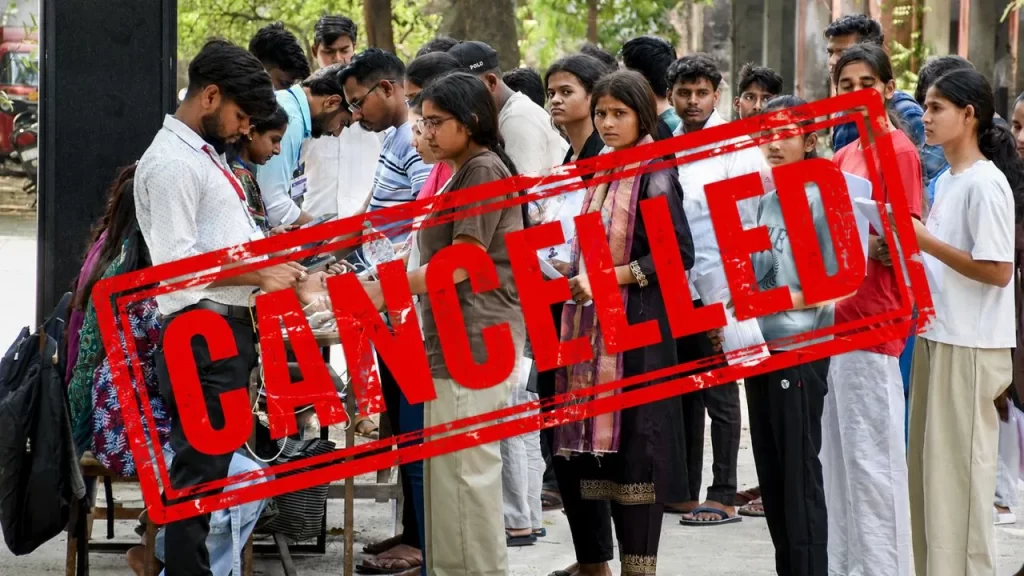
The controversy erupted days after the National Testing Agency cancelled the May 3 NEET-UG examination, which nearly 22 lakh students took across India. Soon after, panic spread among aspirants and parents who had already endured months of preparation and intense competition.
Now, fresh details from the investigation show how agencies pieced together the leak almost overnight.
The Rajasthan Special Operations Group received its first alert from intelligence agencies around 8 pm on May 8. Officers immediately gathered at the SOG headquarters in Jaipur. Senior officials then divided teams and began verifying claims that a “guess paper” circulating online actually matched the original exam.
Investigators downloaded the official NEET paper and compared it with handwritten and digital copies shared across social media platforms and messaging groups. As the comparison continued, the similarities shocked officers.
Officials reportedly found that 135 questions matched exactly, including answer choices. Biology and Chemistry sections showed major overlaps. That discovery strengthened fears that the exam process had suffered a serious breach.
Meanwhile, teams launched simultaneous questioning across multiple districts. Officers interrogated more than 150 people overnight, including students, coaching-linked contacts and parents.
The investigation soon shifted toward Rajasthan’s Sikar district, which has emerged over the years as a major coaching hub for competitive exams. Before dawn, senior SOG officers travelled there with a large team.
Outside coaching centres and hostels, anxious students gathered in groups as news of the cancellation spread through phone calls and social media updates. Several candidates said they felt devastated after months of preparation. Parents also demanded strict punishment for those responsible for the leak.
During questioning in Sikar, investigators uncovered links to a consultancy firm. Officers traced the owner to Dehradun and contacted local police for assistance. Through phone and video-call interrogations, investigators collected names of students who allegedly received leaked material before the examination.
Soon after, another breakthrough changed the direction of the probe.
An e-Mitra operator in Sikar informed investigators that several students had visited his shop days before the exam to photocopy suspicious documents. That lead guided police to Jamwa Ramgarh, where officers detained two brothers, Mangilal and Dinesh Biwal.
Investigators believe the brothers acquired the paper through contacts connected to Gurugram-based accused Yash Yadav. According to the probe, the leaked paper first moved through intermediaries before reaching students in Rajasthan.
Police later arrested Yash Yadav in Gurugram. During questioning, investigators linked the trail to Nashik in Maharashtra. Agencies now suspect the paper leak originated from a printing press source before spreading through digital PDF files and printed copies.
The probe also exposed how encrypted Telegram and WhatsApp groups allegedly helped circulate “final selection” and “high-probability” papers among aspirants willing to pay large amounts of money.
On the ground, frustration continues to grow among genuine candidates. Many students in Jaipur, Kota and Delhi coaching hubs now fear another long cycle of uncertainty before the re-exam.
The Centre has now transferred the case to the Central Bureau of Investigation. The agency registered cases related to criminal conspiracy, cheating, breach of trust and destruction of evidence under the Public Examination (Prevention of Unfair Means) Act.
So far, investigators have detained more than 45 people. However, agencies believe the network may run deeper.
For millions of medical aspirants, the scandal has once again raised difficult questions about fairness, exam security and the growing underground market around India’s competitive entrance tests.