
India shifts oil strategy as Gulf supplies drop; russian crude fills the gap
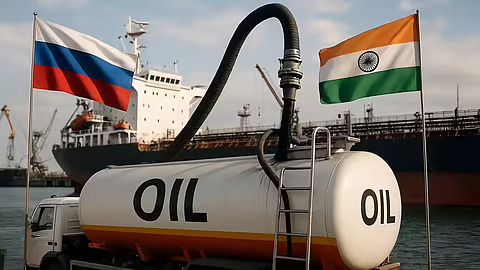
New Delhi – India has moved quickly to secure its energy needs as disruptions hit oil supplies from West Asia. As imports from Gulf nations decline sharply, Indian refiners have increased purchases from Russia. This shift has helped stabilise supply despite growing geopolitical tensions.
Data from tanker trackers and industry sources show a sharp rise in Russian crude inflows. Imports from Russia have jumped over 80% in March compared to February. They now stand close to 1.9 million barrels per day. Experts expect this number to touch nearly 2 million barrels per day by the end of the month. Early signals also suggest that April may follow the same trend.
At the same time, oil supplies from key Gulf producers have dropped steeply. Imports from Iraq and the UAE have fallen by more than 60%. Shipments from Saudi Arabia and Kuwait have also declined significantly. This drop follows disruptions in tanker movement through the Strait of Hormuz, a critical global energy route.
The Strait connects the Persian Gulf with the Gulf of Oman. It handles a major share of global oil and gas shipments. In recent months, nearly half of India’s crude imports passed through this route. Therefore, any disruption here directly impacts India’s energy supply chain.
Ground Angle: Stable Fuel, Hidden Pressure
On the ground, the impact remains limited for now. Fuel supplies across India continue without major disruption. Petrol pumps operate normally. Transport and logistics sectors show no immediate signs of stress.
However, industry insiders flag underlying pressure. Refiners have started using stored inventories to maintain output. They have also diversified sourcing routes to avoid supply shocks. This strategy helps keep fuel availability steady in the short term.
Small businesses and transport operators remain cautious. They track global oil trends closely. Any prolonged disruption could push fuel prices higher. That, in turn, could raise operating costs and affect daily expenses.
War Reshapes Global Oil Flows
The current shift traces back to the conflict that began on February 28. The United States and Israel carried out strikes on Iranian targets. Iran responded with counterattacks across the Gulf region. This escalation disrupted shipping routes and increased risks for oil tankers.
As tensions grew, vessel movement through the Strait of Hormuz slowed sharply. Insurers pulled back coverage for ships in the region. As a result, many tankers avoided the route. This effectively reduced oil flow from West Asia.
India, which depends on imports for over 88% of its crude needs, faced an immediate challenge. Gulf countries like Iraq, Saudi Arabia, the UAE, and Kuwait form a major part of its supply mix. Therefore, the sudden drop created a supply gap.
Russia Steps In as Key Supplier
Indian refiners responded quickly. They increased purchases of Russian crude to offset the loss. Russia’s share in India’s oil imports has now surged to over 45% in March, up from around 20% in February.
Market sources confirm that refiners have already secured around 60 million barrels of Russian crude for April delivery. This aggressive buying reflects a clear shift in strategy. Before the conflict, India had reduced Russian imports due to trade negotiations with the United States.
However, changing global dynamics altered that approach. Washington has now eased restrictions on Russian oil purchases. It has issued temporary waivers that allow countries, including India, to import Russian crude. This move aims to prevent a spike in global oil prices.
Interestingly, Russian oil, which earlier traded at a discount, now commands stronger demand. Prices have firmed up due to supply shortages elsewhere. Indian refiners still prefer it due to availability and flexible logistics.
System Remains Stable, For Now
Despite the disruption, India’s refining system continues to function smoothly. Total crude imports have dipped slightly compared to pre-conflict levels. However, refinery operations remain stable.
Refiners have balanced supply by drawing from reserves and adjusting sourcing strategies. Product exports also remain close to normal levels. This indicates that the system has absorbed the shock effectively.
Experts say Russia now plays a central role in India’s energy security. The current surge in imports reflects a substitution strategy rather than long-term dependence. India continues to explore multiple sources to reduce risk.