Trump-Netanyahu rift deepens as Lebanon conflict raises fears over regional stability
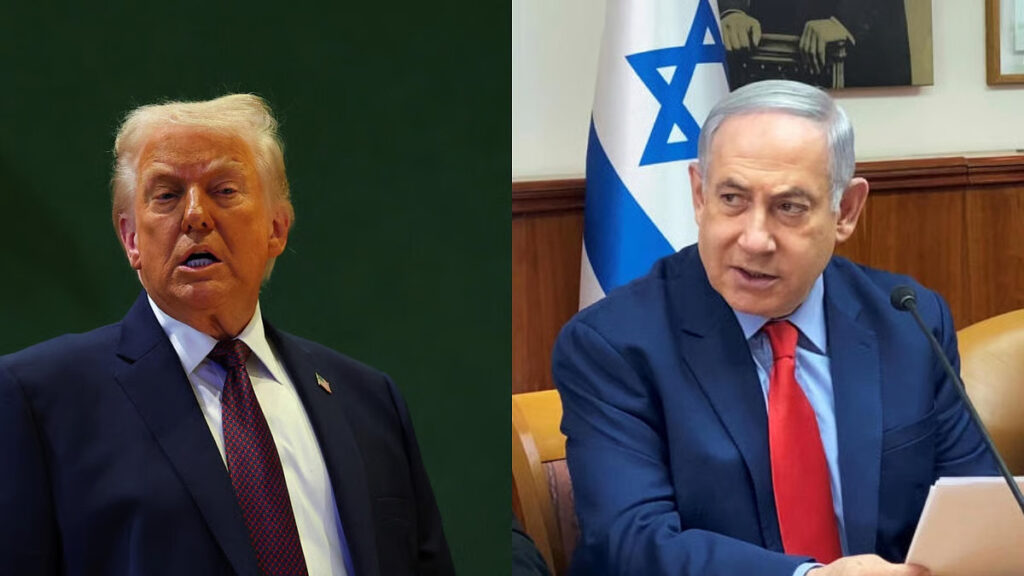
A sharp disagreement between US President Donald Trump and Israeli Prime Minister Benjamin Netanyahu has drawn fresh attention to growing tensions over the conflict along the Israel-Lebanon border.
The dispute emerged at a critical moment. Fighting between Israel and Hezbollah has intensified in recent days. At the same time, Washington continues efforts to keep diplomatic channels open with Iran and prevent a broader regional crisis.
According to reports from US officials familiar with the matter, Trump expressed strong frustration during a recent conversation with Netanyahu. The US president reportedly argued that expanding military operations in Lebanon could damage Israel’s global standing and complicate ongoing diplomatic initiatives in the Middle East.
The disagreement followed Israel’s decision to increase military pressure against Hezbollah positions in Lebanon. Israeli leaders cited repeated attacks from across the border and said security concerns required a firm response. However, the move triggered concern among international observers who fear that wider fighting could spread across the region.
On the ground, residents in parts of southern Beirut faced renewed uncertainty. Families watched developments closely as reports of potential strikes circulated. Many people worried that another escalation could disrupt daily life, damage infrastructure and force more civilians to leave vulnerable areas.
Meanwhile, Iran entered the conversation with fresh warnings. Iranian officials indicated that continued military action in Lebanon could affect wider regional discussions. Tehran maintains close ties with Hezbollah and continues to monitor developments near its allies.
US officials said Trump accepted Israel’s right to respond to security threats. However, they also suggested that he viewed the scale of the response as excessive. Sources familiar with the discussion said Trump worried about rising civilian casualties and the possibility that prolonged fighting could derail diplomatic progress elsewhere.
Soon after the reported exchange, signs of de-escalation appeared. Israeli officials indicated that certain planned actions around Beirut would not move forward. Trump later stated that discussions with Netanyahu produced a constructive outcome. He also expressed confidence that efforts to reduce tensions remained on track.
Despite that, Israeli leaders signaled that military operations would continue if attacks against Israel persisted. Netanyahu maintained that Israel would keep defending its territory and would retain all available options if security conditions deteriorated further.
The episode highlights a complex relationship between two leaders who often cooperate on regional security matters. While both governments share concerns about Iran and militant groups in the region, recent events show that differences remain over strategy and timing.
The broader backdrop involves months of instability across the Middle East. Border clashes, diplomatic negotiations and security concerns continue to shape decisions in multiple capitals. As a result, every military move now carries wider political consequences.
For people living near conflict zones, the immediate concern remains safety. For diplomats, the priority involves preventing another regional confrontation. And for global observers, the latest disagreement between Washington and Jerusalem underscores how fragile the current situation remains.
As negotiations continue and military tensions persist, regional leaders face mounting pressure to balance security objectives with diplomatic efforts aimed at preventing a larger conflict.