David Dhawan’s exit marks the end of an era of unfiltered bollywood comedy
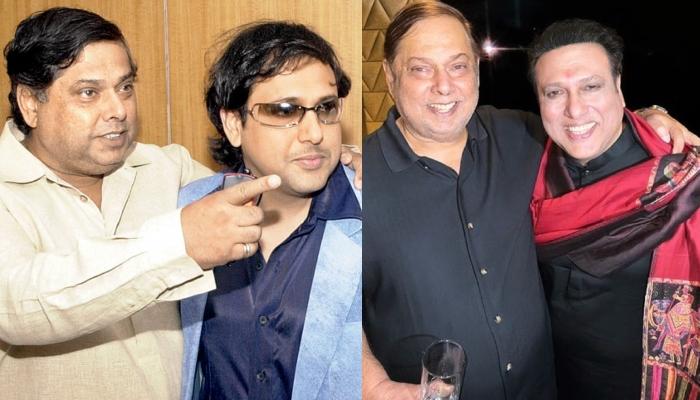
Hindi cinema is preparing to bid farewell to one of its most successful comedy filmmakers. With his upcoming film expected to be his final directorial venture, David Dhawan leaves behind a legacy that shaped mainstream entertainment for more than three decades.
For millions of moviegoers, Dhawan’s films were more than box-office successes. They became part of family routines, festive television marathons, and weekend entertainment. His colorful storytelling, energetic music, and larger-than-life characters helped define commercial Bollywood through the 1990s and early 2000s.
Dhawan began his career in the film industry as an editor before stepping into direction. Early projects hinted at his understanding of mass audiences. However, he truly found his voice when he embraced comedy as his primary genre. Soon, his films developed a distinct identity built around confusion, mistaken identities, family drama, catchy songs, and relentless humor.
At the heart of that success stood one of Bollywood’s most memorable partnerships. Dhawan and actor Govinda created a formula that repeatedly attracted audiences across the country. Together, they delivered a string of commercially successful films that blended comedy, music, and emotional moments.
Alongside Govinda, actress Karisma Kapoor became another key face of Dhawan’s cinema. Their chemistry, dance performances, and comic timing helped create some of the most recognizable moments of the era. The trio’s collaborations turned into crowd-pullers and continue to enjoy popularity among television audiences.
On the ground, many cinema lovers still associate Dhawan’s films with a simpler period of entertainment. Across small towns and large cities, viewers gathered around television screens to watch stories that prioritized laughter over realism. His films rarely chased complexity. Instead, they focused on delivering enjoyment to a broad audience.
Another hallmark of his career involved reinventing actors. Dhawan often encouraged performers known for action or dramatic roles to explore comedy. Several stars expanded their appeal through his films and reached new sections of the audience.
His influence extended beyond casting choices. Dhawan understood the power of music and dance in commercial cinema. Many songs from his films became cultural phenomena and continue to feature at weddings, celebrations, and social gatherings decades later.
However, changing audience expectations have also sparked fresh discussions about some aspects of his work. Modern viewers often examine older films through a different lens. Certain jokes, character portrayals, and romantic storylines that once passed without scrutiny now generate debate. As social attitudes evolved, conversations around representation and humor evolved as well.
Yet film analysts argue that Dhawan’s work reflects the entertainment culture of its time. His movies captured the tastes, aspirations, and viewing habits of a generation that sought escapist cinema during a period of economic and social change in India.
Today’s filmmakers continue to produce successful comedies, but many industry observers believe Dhawan’s signature style remains unique. His films embraced exaggeration without apology and focused entirely on audience engagement.
As he prepares to step away from directing, his contribution to Hindi cinema remains undeniable. He built a career around making people laugh and transformed comedy into one of Bollywood’s most dependable commercial genres.
For many fans, his retirement signals more than the departure of a filmmaker. It marks the closing chapter of an era when loud comedy, infectious songs, and uncomplicated storytelling ruled the big screen. His films may continue to divide opinion, but they also ensure that his place in Bollywood’s history remains secure.