Fuel prices rise again; Congress says Modi government increasing public burden
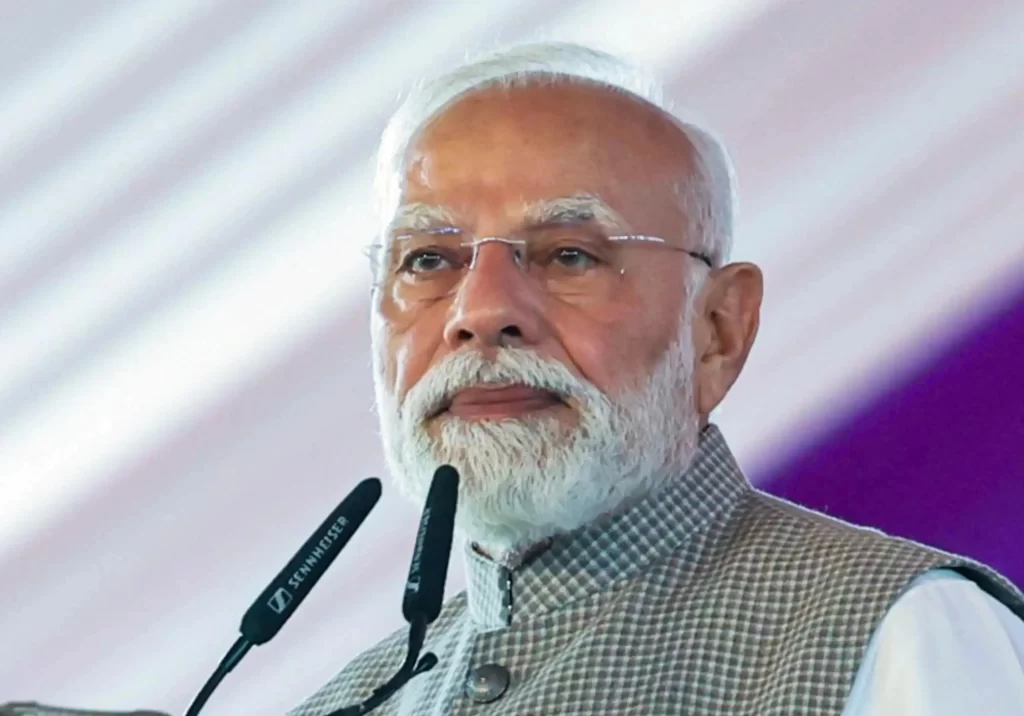
Fresh fuel price hikes triggered a sharp political fight on Saturday after the Congress accused the Narendra Modi-led government of putting extra pressure on households already struggling with rising expenses. The opposition party said repeated increases in petrol and diesel rates have started hurting commuters, transport workers and small businesses across the country.
Congress leaders attacked Prime Minister Narendra Modi and claimed the Centre cared more about oil company earnings than public relief. The party used the phrase “Mehangai Man” to criticise the government and argued that ordinary families now face a growing financial burden due to continuous increases in fuel prices.
The attack came after another revision in fuel rates across major cities. Petrol and diesel prices climbed again on Saturday, marking the third increase within days. In Delhi, petrol neared the ₹100 mark, while diesel rates also moved higher. Mumbai, Kolkata and Chennai reported similar jumps, adding pressure on daily transport costs.
Congress leaders said people now pay more not only for fuel but also for vegetables, milk, transport fares and delivery services. Party workers in several cities raised slogans against the Centre and linked the hike to broader inflation concerns. Local traders and cab drivers also expressed frustration over rising operational costs.
At a fuel station in East Delhi, commuters complained that every hike directly affects monthly budgets. A delivery rider said he now spends several hundred rupees extra every week on petrol. Auto-rickshaw drivers echoed similar concerns and warned that passengers may soon face higher fares if prices continue to rise.
Small transport operators also voiced concern. Truck owners said diesel hikes increase logistics expenses, which eventually affect food and retail prices. Several shopkeepers in Delhi markets noted that transport charges for supplies already increased after earlier revisions this month.
Congress claimed the Centre failed to cushion citizens from global market shocks. The party argued that many countries introduced relief measures to control inflation, while India continued to increase fuel costs. Opposition leaders demanded immediate intervention and asked the government to reconsider recent revisions.
The latest hikes arrived during global uncertainty in energy markets. Tensions in West Asia and disruptions around the Strait of Hormuz created fears over oil supply chains and shipping routes. Analysts believe those developments pushed crude oil prices upward and influenced domestic revisions.
The Centre earlier appealed to citizens to conserve fuel as international tensions affected energy supplies. However, opposition parties argued that the government should reduce taxes instead of passing the pressure directly to consumers.
Fuel prices have remained politically sensitive in India because they influence nearly every sector of the economy. Higher petrol and diesel costs often raise transportation expenses, which then affect food prices, delivery charges and public travel costs. Economists say frequent revisions also weaken consumer confidence, especially among middle-class and lower-income families.
Earlier this month, the Centre already revised fuel rates upward by ₹3 per litre. Since then, repeated hikes have pushed prices steadily higher across metropolitan cities and several state capitals. Jaipur also recorded another jump in petrol and diesel rates during the latest revision cycle.
Political reactions intensified as inflation continues to dominate public discussion ahead of key electoral contests in several states. Congress leaders said they would continue protests over rising fuel prices and inflation. Meanwhile, the BJP defended its economic handling and pointed to global energy instability as the main reason behind the increase.
For many citizens, however, the debate now feels less political and more personal. At fuel stations across cities, long conversations no longer focus on traffic or weather. Instead, people discuss how far their salaries can stretch before the next price hike arrives.